In today’s challenging job landscape, college students are navigating an increasingly difficult path to employment. The New York Federal Reserve highlights a significant rise in unemployment among recent graduates, attributed to factors such as artificial intelligence and reduced hiring rates. This environment has prompted a shift toward trade schools and apprenticeships viewed as more secure career paths.
Despite these challenges, students in traditional college settings can still thrive through strategic internships. A group of researchers from The Ohio State University have analyzed two STEM internship programs that demonstrate successful job placement for students. These programs, offering diverse models, reveal four critical insights for transforming internships into effective career pathways.
Quality over Quantity
Internships play a crucial role in equipping students for the workforce. Research indicates that high-quality internships significantly increase the likelihood of securing job interviews and obtaining well-paying jobs post-graduation. However, opportunities for such internships are dwindling, even as they become more essential in an AI-driven job market.
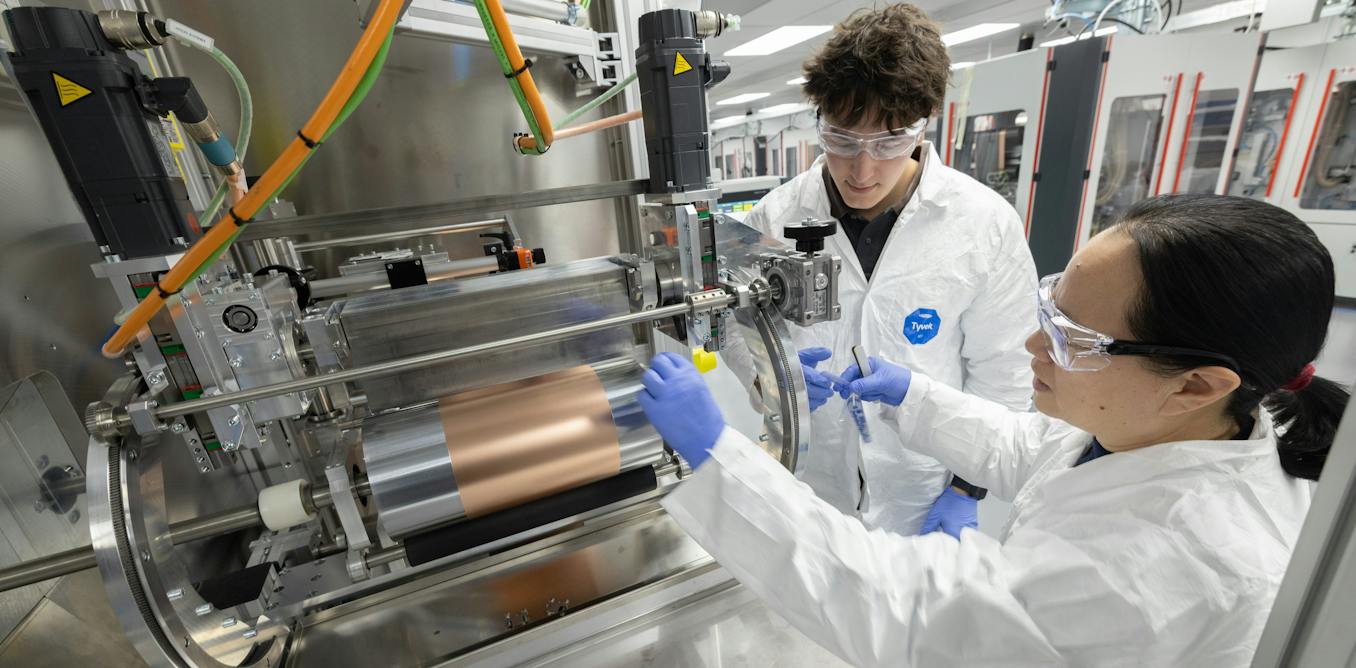
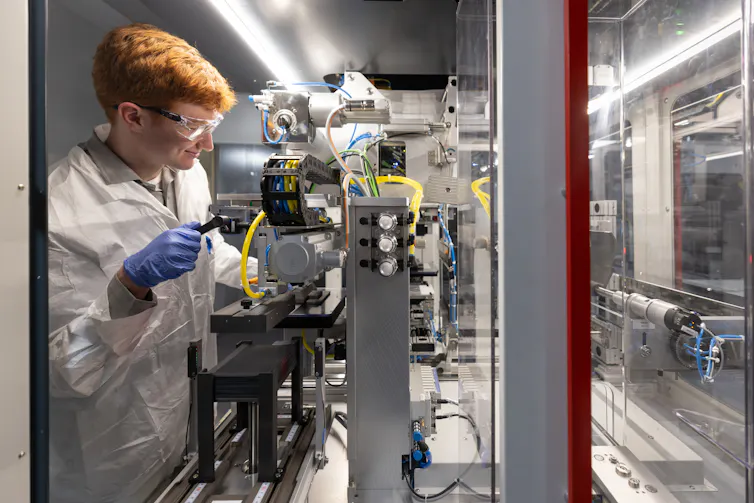
University leaders are taking note, with many planning to expand apprenticeship pathways. Yet, it’s the quality of these internships, not just their quantity, that is vital. Studies conducted by the College Impact Laboratory at The Ohio State University, involving programs like BATTERI and Drive to Thrive, emphasize that internships should offer substantive work, mentorship, and professional development to truly benefit students.
Author provided (no reuse)
Learning by Doing
The Drive to Thrive program employs an earn-as-you-learn model, where students alternate between classroom education and paid, hands-on work at Ford dealerships. This mirrors the European apprenticeship model, allowing students to gain practical experience alongside seasoned professionals.
This initiative has involved 635 students, with a notable portion being first-generation students and students of color. Feedback from participants indicates that these internships not only confirmed their career choices but also fostered a professional self-image.
Participants in this program were almost 50% more likely to graduate compared to their peers. Another program involving clean energy manufacturing students connects them with major industry players for internships that blend practical work with networking and professional growth opportunities.
These initiatives reveal the importance of multi-mentor support systems, which enhance student confidence and professional identity, complementing technical skills acquired during the internship.
Making Work Matter
Both programs identified four key principles for successful internships. First is engaging students in meaningful work that extends beyond classroom assignments. For instance, interns tackling safety challenges for Honda were subsequently offered further opportunities by impressed industry professionals.
The second principle is providing a robust support network, including faculty, industry supervisors, and peers, which offers diverse guidance and strengthens collaborative skills. The third is normalizing struggle as part of the learning process, encouraging students to embrace challenges and seek help when needed.
Lastly, making interns’ contributions visible through presentations and recognition reinforces the value of their work and strengthens their professional identities. These insights suggest that universities and industries should prioritize internship quality, ensuring these experiences are transformative rather than merely transactional.