French 7th Armored Brigade Adapts to Drone Threats with New Tactical Approach
BESANÇON, France — In response to the modern battlefield’s increasing reliance on drones, France’s 7th Armored Brigade is testing new strategies by downsizing its armored platoons. This tactical innovation aims to enhance stealth and reduce vulnerability to drone attacks, as explained by the unit’s commander.
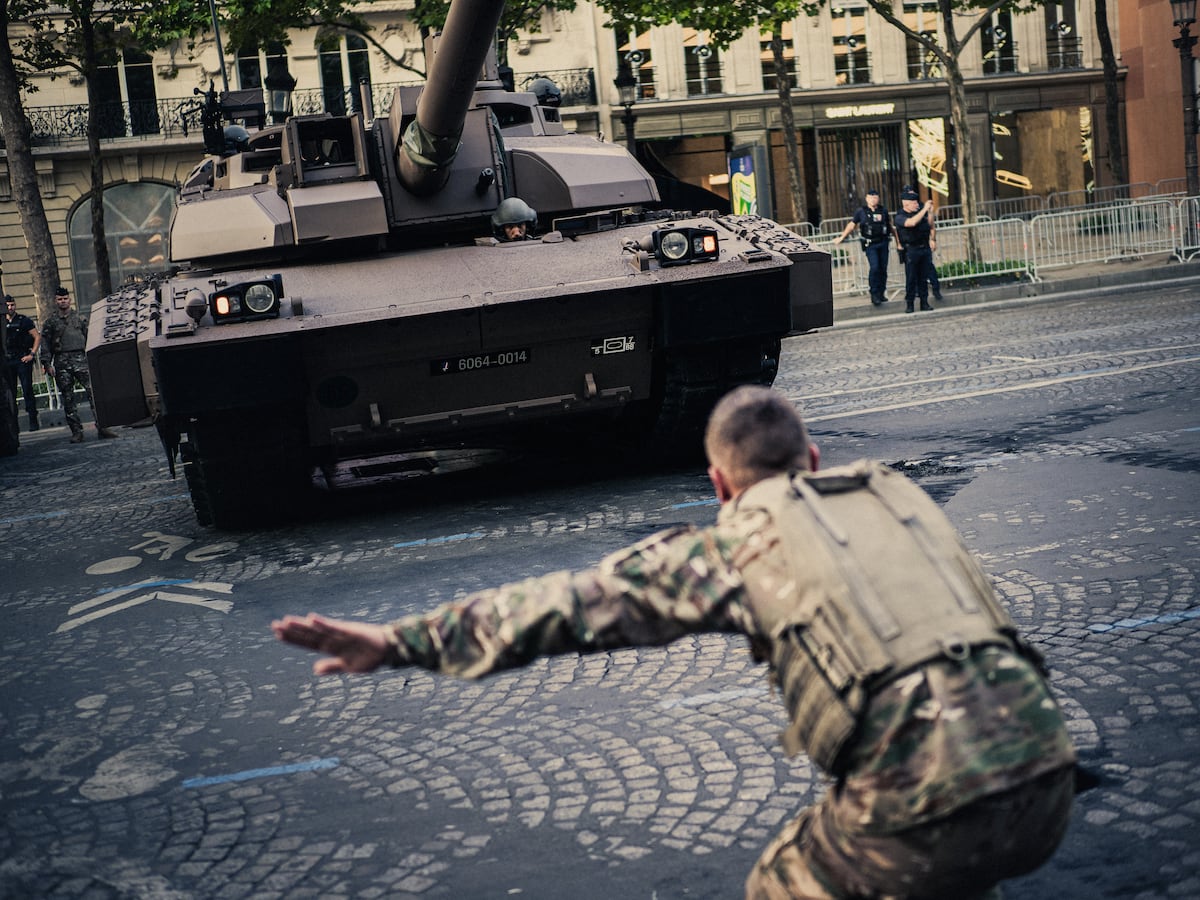
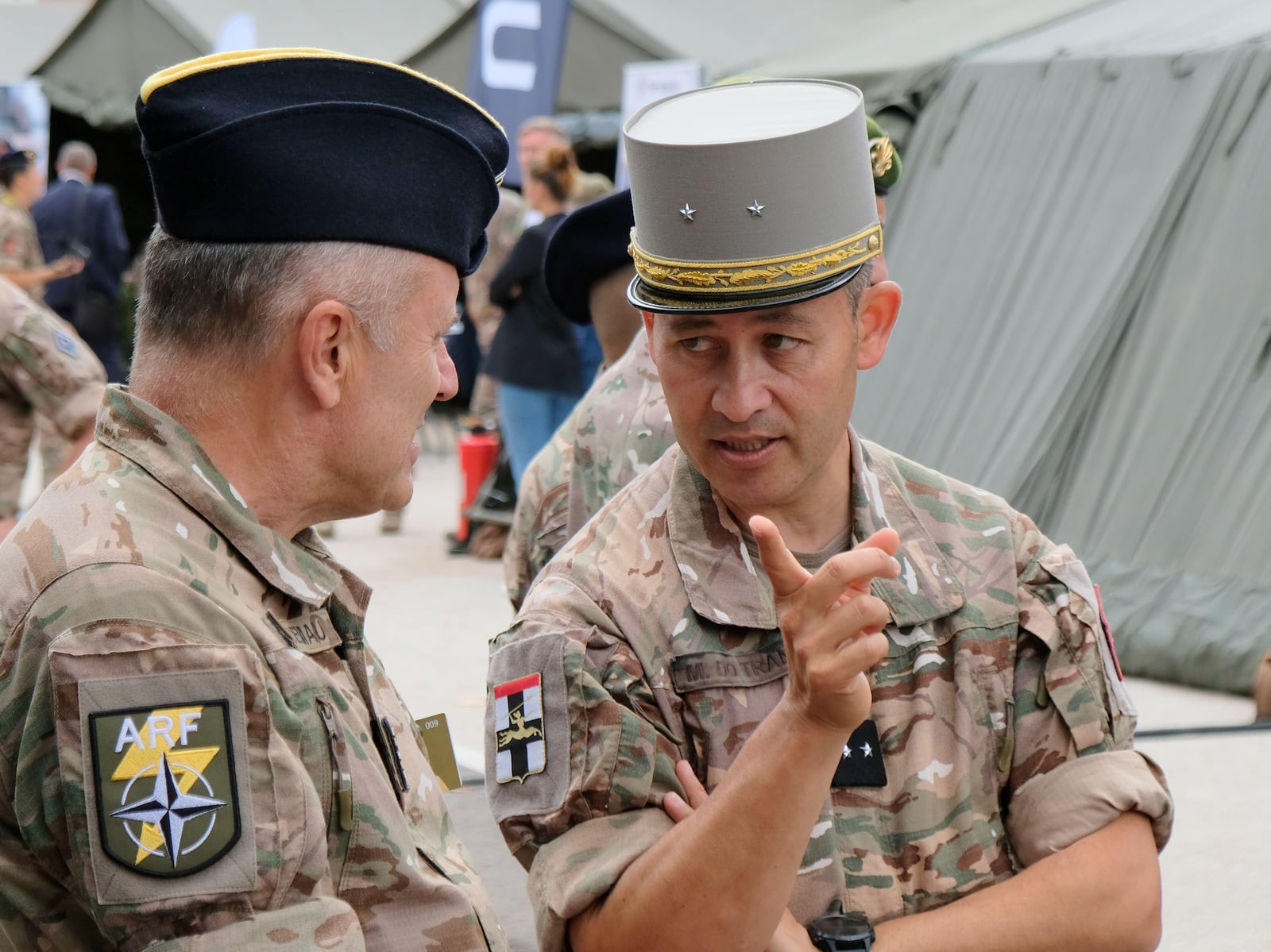
Traditionally, a French heavy cavalry platoon is composed of four Leclerc main battle tanks and four VBL light armored vehicles. However, the brigade is now experimenting with smaller, modular units that can be reconfigured as needed, according to Gen. Maxime Do Tran, who spoke during an event at the brigade’s headquarters in Besançon, eastern France.
In Ukraine, drones have made it challenging to maneuver armored vehicles safely, establishing a “kill zone” that extends kilometers from the front lines. By deploying smaller units, the brigade hopes to reduce the likelihood of being targeted, as explained by Do Tran, the leader of France’s premier heavy armored brigade.
“The more insignificant you are, the less likely you are to be targeted,” Do Tran stated during an innovation day on September 9. “So it’s really about being as dispersed as possible.”
He further noted, “Even if we’re spotted, even if there’s transparency on the battlefield, since we’re insignificant, ultimately it’s not worth the effort because we’re still talking about cost-effectiveness. It poses a dilemma to the enemy.”
RELATED
Elements of the 7e Brigade Blindée, as it is known in French, have been stationed in Romania under France’s leadership of a multinational battlegroup.
General Do Tran envisions a fundamental unit of heavy cavalry as a combination of a tank and a VBL, while an infantry unit might consist of seven or more soldiers. The brigade initially tried a single-tank and single-VBL configuration but found it lacked tactical coherence, prompting a return to two tanks and two light armored vehicles.
“We maybe have to get away a little from this squadron structure,” Do Tran commented. “If we want to perform a breakthrough maneuver, I don’t want to say, I need two or three squadrons. Maybe I need twenty bricks.”
Adopting a “brick” approach may necessitate changes in training, allowing small-unit leaders more autonomy, Do Tran mentioned. He proposed unconventional configurations for tank platoons, such as “one tank surrounded by three motorcycles and with drones overhead” or even “ten tanks if we want to break through.”
During France’s Orion 2026 exercise earlier this year, the brigade’s heavy cavalry experimented with half-platoon operations. This test evaluated the capacity of non-commissioned officers to lead in the absence of a lieutenant, according to Do Tran. Although full autonomy and differentiated missions for half-platoons remain a future goal, the structural framework is in place.
The exercise’s peacetime limitations meant that movements were restricted to roads, hindering the full application of force dispersion and concentration tactics, as noted by the general. Nevertheless, the brigade successfully minimized its command post footprint and improved information flow using graphical orders transmitted via data link.
Do Tran has applied the modular “Lego bricks” concept to command structures, allowing for a flexible command post that can operate together or be dispersed as needed.
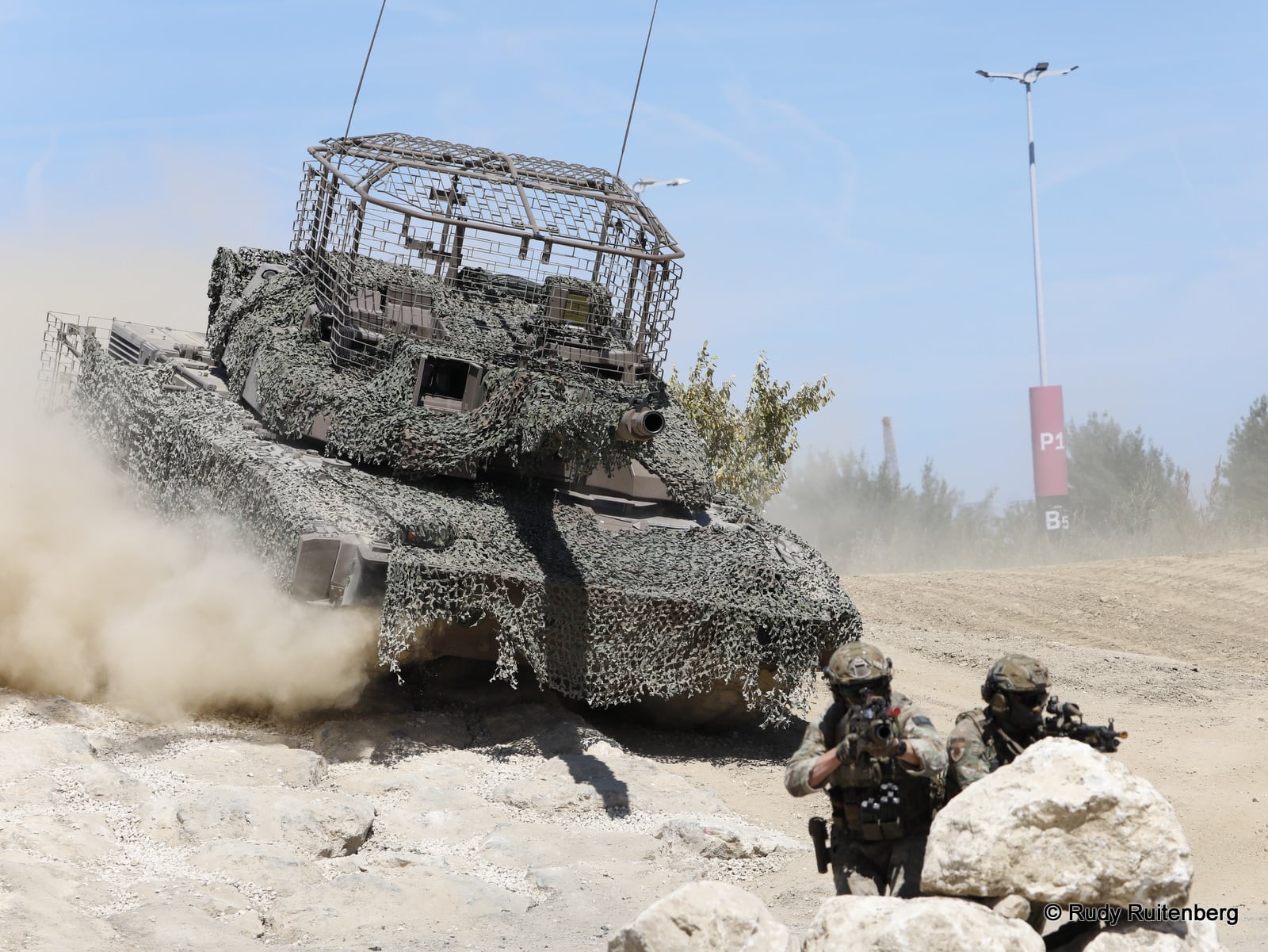
Looking ahead, the brigade commander envisions future tanks with modular capabilities, allowing for adaptability, such as replacing the main gun with a counter-drone system or drone launchers.
While artillery and drones will largely provide firepower, Do Tran predicts a shift away from traditional direct cannon fire towards more advanced options like loitering munitions. Despite the current stagnation in Ukraine, tanks will remain essential for tactical breakthroughs, ensuring the French Army’s ability to maneuver and exploit opportunities on the battlefield.