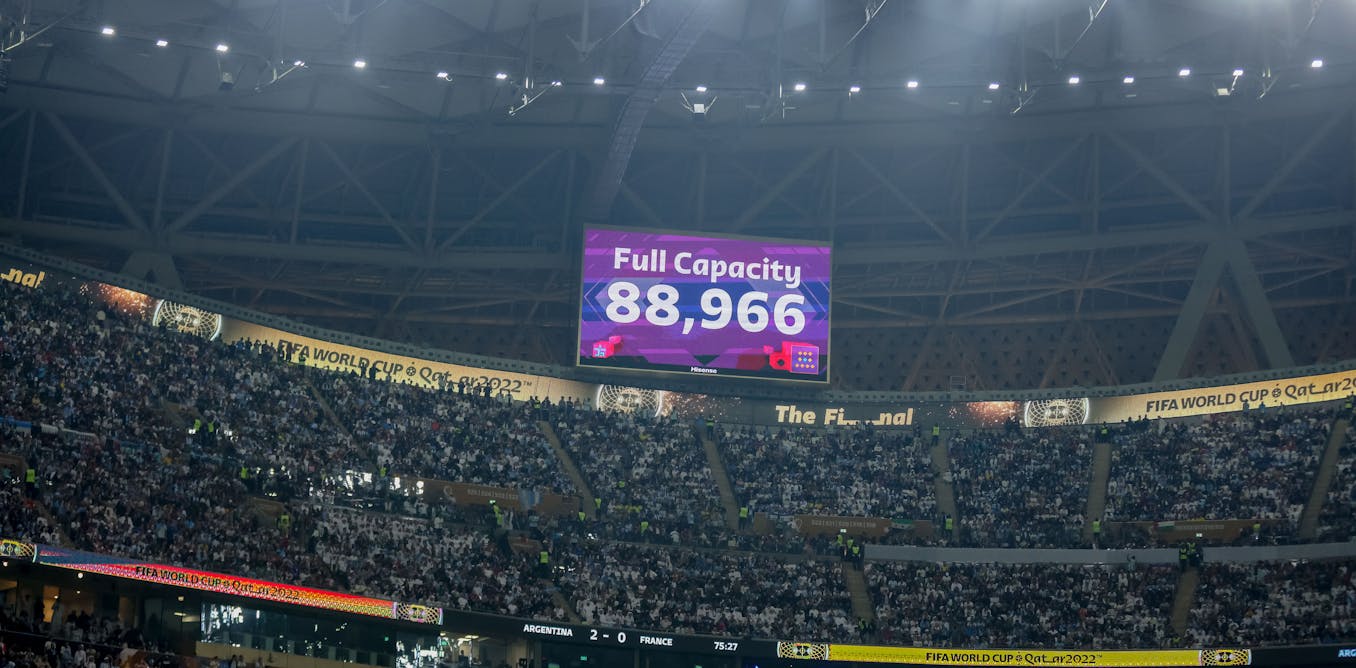
The anticipation for the 2026 World Cup in the United States is being overshadowed by several challenges that could impact the event’s success. With memories of the unexpectedly high turnout in 1994, expectations for the upcoming tournament were initially optimistic. However, current global and domestic issues are casting doubts on whether the event will meet those expectations.
As the world gears up for the 2026 World Cup, the ongoing conflict in Iran has triggered rising inflation and fuel costs, raising concerns about the impact on tourism. The challenges are compounded by uncertainties in U.S. immigration policies, geopolitical tensions, and economic concerns, leading to decreased international travel confidence.
Professors of hospitality and tourism management and international sports management believe that the 11 U.S. host cities, along with five others in Mexico and Canada, must seize the next 10 days to maximize the event’s potential benefits.
Challenges in Event Planning
The period leading up to the world’s largest sporting event should be one of excitement. However, exorbitant costs, such as high ticket prices, have sparked criticism. President Donald Trump himself expressed outrage over the US$1,000 ticket prices, declaring he would not pay that amount.
Transportation costs are also drawing attention. The Massachusetts Bay Transportation Authority plans to charge $80 for a trip to Gillette Stadium, while New Jersey Transit initially set fares at $150 from Penn Station to MetLife Stadium, later reduced to $105 after backlash.
Hotel bookings are falling short of expectations. The American Hotel and Lodgings Association reports that cities like Philadelphia and San Francisco have 75% of hotel owners citing lower bookings, while Kansas City is even worse off, with 85% to 90% reporting a shortfall.
Miami’s Strategic Position
Miami was projected to experience a tourism boom, attracting millions of visitors during the World Cup. Yet, current conditions suggest that economic benefits may fall short if trends don’t improve.
Hotel bookings from international travelers are notably weak, particularly among visitors from Latin America and the Middle East. Challenges such as U.S. immigration processes and visa delays are cited as concerns. Heightened security perceptions due to the proximity of Trump’s Mar-a-Lago Resort have led civil rights groups like the Florida Immigrant Coalition to warn travelers of detention risks in Florida.

Icon Sportswire/Icon Sportswire via Getty Images
Despite the challenges, Miami’s global recognition, multicultural ambiance, and entertainment facilities offer an edge over other host cities. Lionel Messi’s presence has further boosted the local economy, reportedly adding billions to South Florida’s economy.
Actionable Strategies
Success for Miami hinges on proactive planning and administration from both government and organizational leaders. The next few days are crucial for leveraging the World Cup’s economic potential. Collaborative campaigns between tourism boards, airlines, and hotels, particularly targeting Latin America, are vital for rebuilding traveler confidence.
Additionally, affordable travel packages and promotions may encourage longer visits and higher spending, even amidst economic uncertainty. Efforts to promote local attractions and cultural activities will help distribute economic benefits throughout the city.
Prioritizing safety communication and multilingual services will help alleviate traveler concerns about security. Clear information on airport procedures, visas, and safety measures will encourage more international visitors to attend the event.
Understanding and addressing economic and political concerns is key to maximizing the World Cup’s potential, not only for Miami but for all U.S. host cities.