Montana’s AI Legislation Faces Federal Scrutiny Amid Executive Order
In a move that has sparked debate nationwide, President Donald Trump’s executive order has cast uncertainty over state-level artificial intelligence (AI) laws, including those recently enacted in Montana. The order directs the U.S. Attorney’s Office to examine state AI regulations, potentially challenging the autonomy of state legislatures.
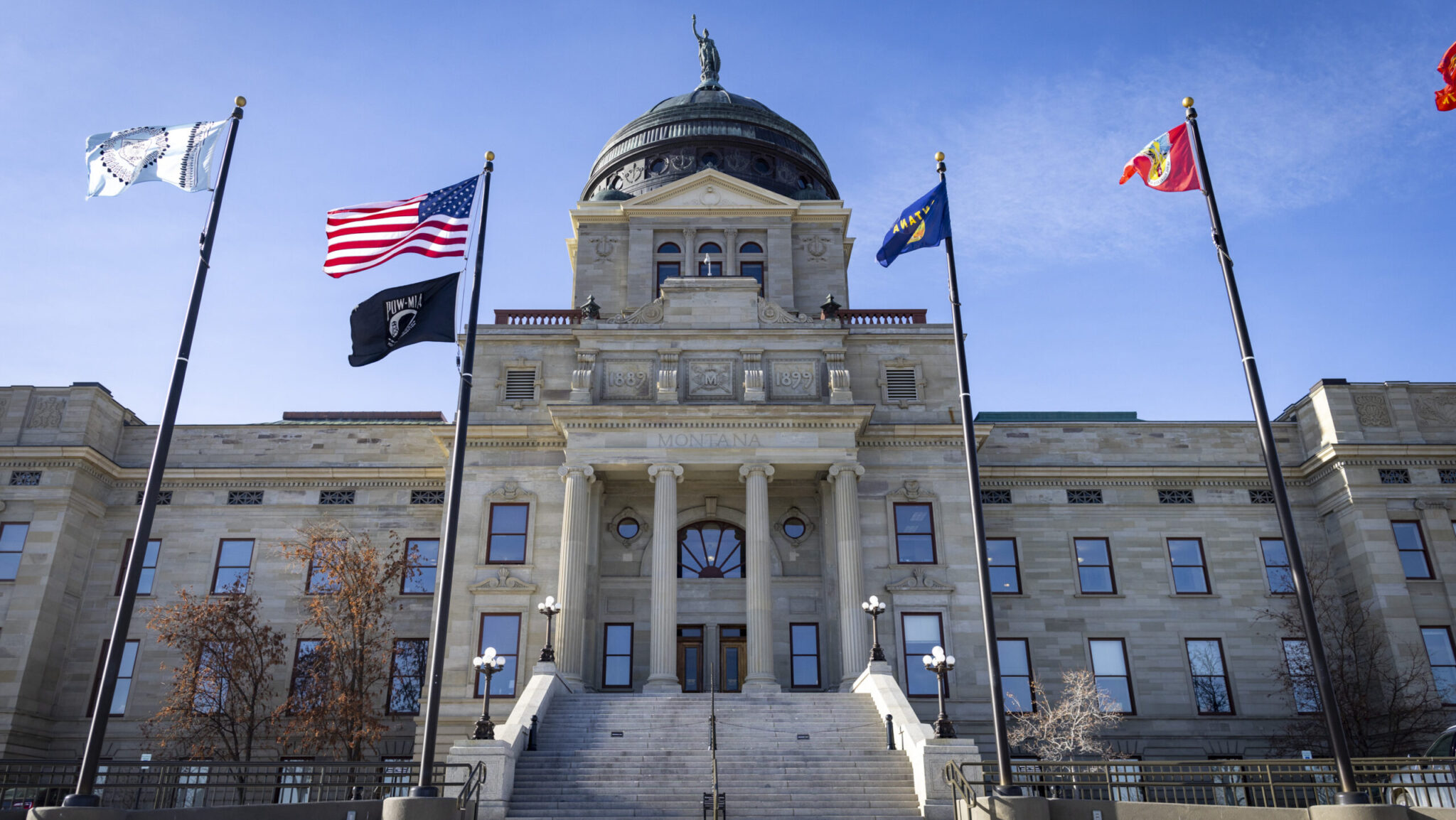
Montana has been proactive in enacting laws to address AI’s growing influence, covering areas from generative AI technologies to election integrity and government use. Despite the federal pushback, Montana legislators emphasize the importance of state control. “They voted for us to go to the legislature and pass laws that are in their best interest,” stated Rep. Jill Cohenour, a Helena Democrat.
The executive order outlines a national policy aimed at maintaining the United States’ global AI leadership with minimal regulatory burdens. It argues that some state laws are excessive, threatening innovation. “A carefully crafted national framework can ensure that the United States wins the AI race,” the order states.
Beyond AI, the order addresses the Broadband Equity Access and Deployment (BEAD) program, part of the Infrastructure Investment and Jobs Act, which seeks to improve internet access. The program has allocated significant federal funds to Montana, yet faces challenges like project delays and issues with railroad companies. Under Trump’s administration, the focus has shifted towards large contracts with companies like Amazon and SpaceX for satellite internet services.
While it’s unclear if specific Montana AI laws are under review, State Sen. Daniel Zolnikov advises patience. “I believe people are jumping the gun and overreacting on what state laws would be overruled by the executive order,” he remarked.
Concerns about federal overreach are echoed by the Alliance for Secure AI. The nonprofit’s CEO, Brendan Steinhauser, warned that cutting BEAD funds could pressure states into compliance with federal preferences. “But if they’re threatened with losing billions of dollars and funding for rural broadband, that might be a way to try and keep them out of this discussion,” Steinhauser noted.
Lawmakers nationwide have expressed apprehension about federal preemption of state AI laws. A letter signed by 280 state lawmakers opposed restrictions in the National Defense Authorization Act that could limit state legislative powers. “A blanket prohibition on state and local AI…would abruptly cut off active democratic debate in statehouses,” the letter argues.
Montana’s AI legislation has been largely bipartisan and uncontroversial. Notable bills include Senate Bill 212, the Right to Compute Act, and House Bill 514, which protects personal rights to name, image, and likeness.
State Rep. Braxton Mitchell’s House Bill 178 limits AI use by governments, while Senate Bill 25 aims to curb AI-generated election misinformation.
Sen. Shane Morigeau expressed concerns about AI’s impact on future elections, emphasizing the need for protective measures. “Just wait until the next big wave of political races comes in,” Morigeau said. “It’s going to be weird.”
Montana remains committed to balancing technological advancement with regulation. “It’s not like we want to stop advancements and technology by any means,” Morigeau stated. “It’s just about making sure that it’s not the Wild West.”