Amidst geopolitical tensions and industry shifts, Germany’s ILA air show has commenced, offering a glimpse into the evolving landscape of European defense and aerospace. This year’s event is overshadowed by the recent escalation in the Iran conflict and the unexpected termination of a key Franco-German fighter jet project, challenging Europe’s role in global defense.
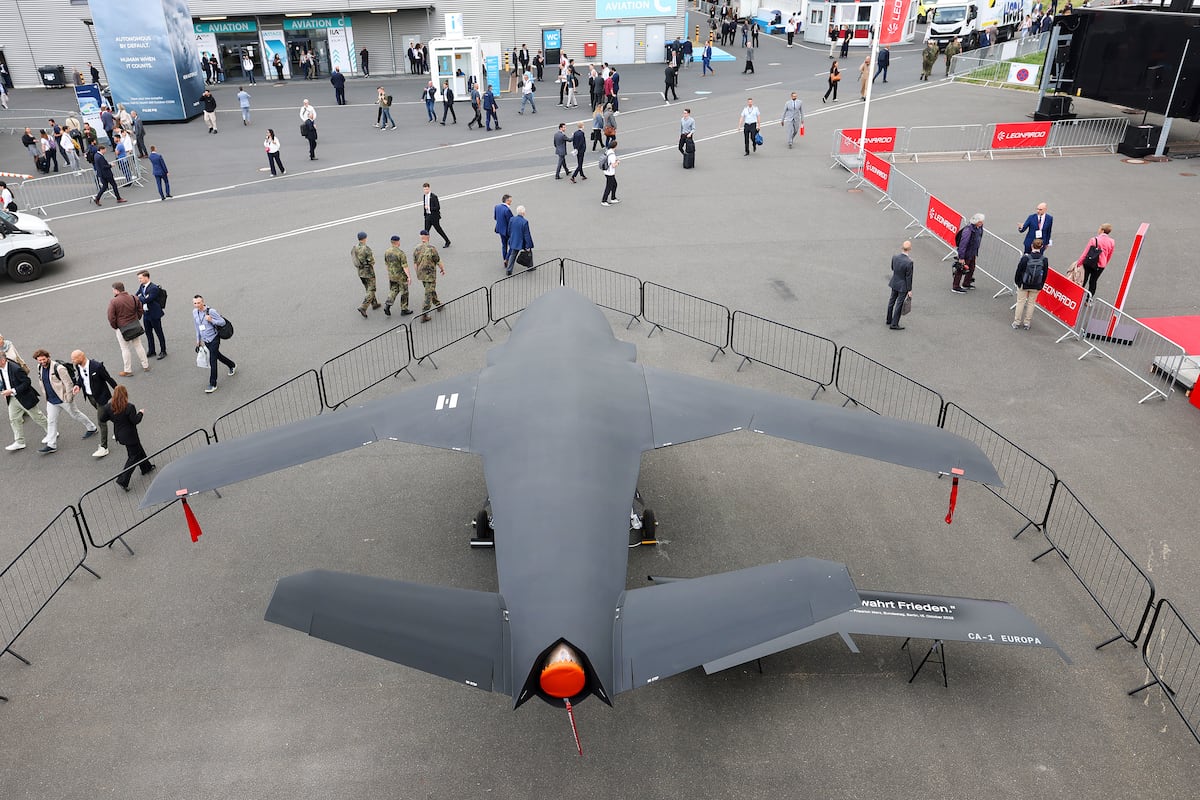
The ILA air show, a historic event dating back to 1909, showcases the prowess of Europe’s defense sector, as industry leaders display cutting-edge technology to attract interest from governments and military buyers. The event also underscores European manufacturers’ efforts to close the technological gap with American competitors, as the region boosts its defense expenditure.
The buildup to the air show was marked by the cancellation of the Future Combat Air System (FCAS), a significant Franco-German defense initiative. Initially heralded as a groundbreaking project for Europe, FCAS was ultimately dismantled due to industrial disagreements, highlighting the challenges Europe faces in scaling up its military capabilities.
Amid these developments, Western officials have raised alarms about the increasing threat from Russia, while the U.S. calls for Europe to accelerate its rearmament efforts.
Reshaping Alliances
With the FCAS project scrapped, industry players are reevaluating partnerships. Airbus, which represented Germany and Spain in the FCAS endeavor, is reportedly shifting focus towards collaborating with Sweden’s Saab. This realignment reflects broader movements within the sector as companies seek to forge new industrial alliances.
The ongoing Iran conflict has further exacerbated tensions, impacting transatlantic relations and casting doubts on NATO’s future. The conflict has also affected the airline industry, with flight cancellations and rising jet fuel costs.
Chancellor Friedrich Merz, who has questioned the necessity of a manned sixth-generation fighter jet for Germany, is expected to address the ILA event. Meanwhile, MTU Aero Engines’ Head of Programmes Ottmar Pfaender emphasized the urgency of making strategic decisions in the coming weeks, indicating a willingness to collaborate with other firms.
Stephanie Lingemann, a senior executive at defense startup Helsing, pointed out the potential for integrating advanced technologies like software-driven defense systems into future projects. “There’s always a chance in these kinds of endings,” she remarked.
Walking to the Venue
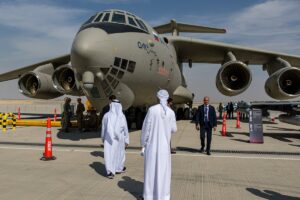
The ILA air show also serves as a platform for Emirates President Tim Clark to negotiate landing rights in Berlin for the Gulf airline, with one of its A380 jets prominently displayed.
The opening day witnessed disruptions as protesters blocked access to the venue, chanting “Free Palestine” and causing logistical challenges. A Reuters witness reported a significant police presence, with visitors forced to walk to the venue due to blocked roads, leading to complaints about the inconvenience.
Running from June 10 to 14, the ILA event features over 750 exhibitors from 37 countries. Coinciding with the air show, Germany’s cabinet has approved a new 15-year aviation strategy focused on cost reduction and research investments to address rising costs and intensifying competition from abroad.