Northrop Grumman’s Innovative Radar System Garners Attention Across U.S. Military Branches
As Northrop Grumman’s cutting-edge radar technology advances through its deployment, it has caught the eye of multiple branches of the U.S. military. This interest arises after Marine Corps leaders praised the system for its exceptional performance. Officials have noted that the U.S. Army is also evaluating the potential adoption of this versatile system.
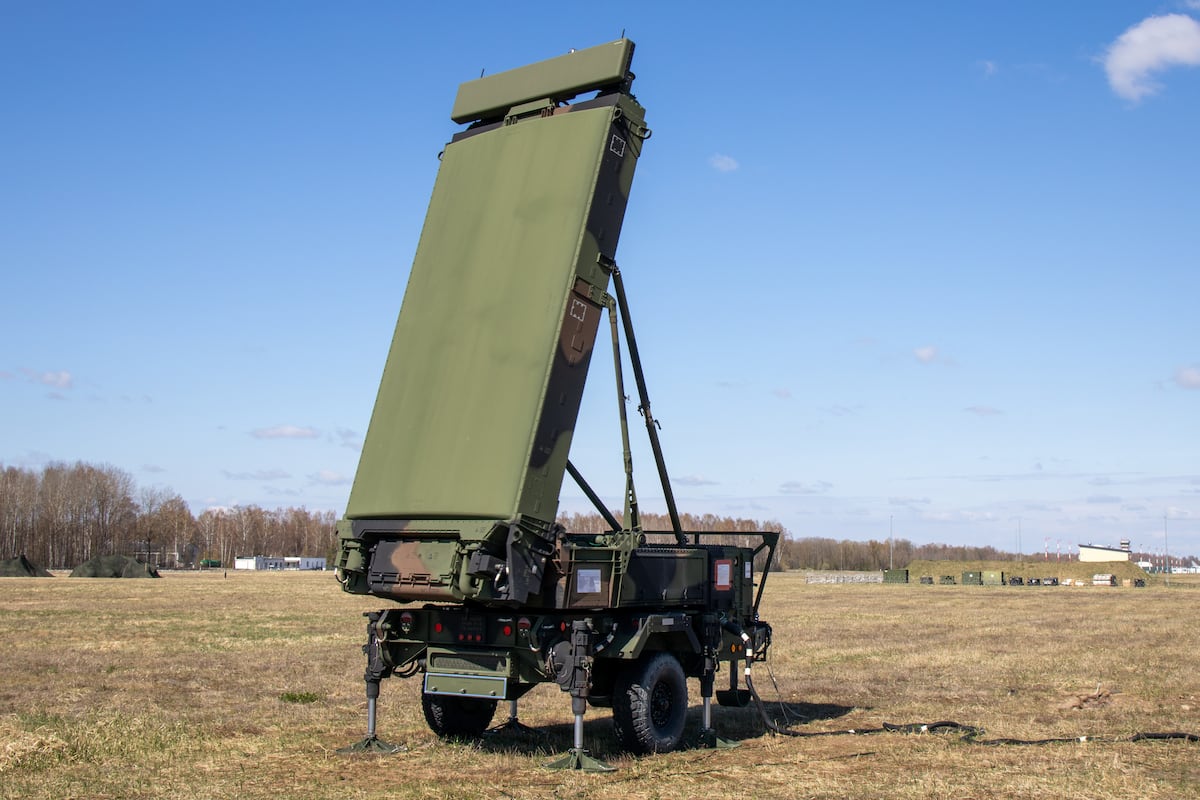
The AN/TPS-80 Ground/Air Task Oriented Radar, or G/ATOR, is designed to provide robust defense against airborne threats, particularly in the Pacific region. Replacing five outdated radar systems, G/ATOR has received a software upgrade that enhances its range and ability to distinguish between allies and adversaries.
Paul Weaver, Northrop’s Director of Mission Systems, stated in an October 7 briefing that 43 out of 60 ordered G/ATOR units have already been delivered to the Marine Corps. These include five units for the Air Force and one for Navy testing. “Demand for the system in theater right now is high, and it’s based on that performance,” Weaver remarked. The system’s modifications, based on user feedback, have extended its range and improved its adaptability to various threats, such as unmanned aerial systems.
Weaver further explained Northrop’s active engagement with the Marine Corps and Air Force about G/ATOR’s deployment. The Army’s interest in the radar system remains unconfirmed, although its capabilities could serve multiple military branches. “That is of interest to every service that’s currently in conflict right now,” Weaver added, indicating the system’s potential to enhance military operations.
Weighing 9,000 pounds, G/ATOR can be transported by C-130 Hercules or MV-22 Osprey aircraft and set up by a four-person team in under ten minutes. The radar’s power settings range from 60 to 75 kilowatts, offering flexibility for different target ranges. Initial deployment to the Marine Corps began in 2018, with suggestions of expanded future acquisitions.
Brig. Gen. Christopher Haar noted last December, “We learned that it’s much more capable than we thought,” highlighting the growing demand for the system. Furthermore, The War Zone reported the 31st Marine Expeditionary Unit’s use of the Expeditionary Advanced Base Operations concept during Operation Epic Fury with Iran, though G/ATOR’s involvement was not specified. Weaver emphasized its strategic advantages, including establishing surveillance perimeters and controlling airspace.
G/ATOR’s 360-degree active electronically scanned array radar allows it to perform exceptionally well in complex environments, identifying various threats such as UASs and cruise missiles. “It’s not only providing awareness of what’s in the airspace around it at all altitudes,” Weaver stated, underscoring the system’s effectiveness in providing crucial data for countermeasures.