In the early summer of 1916, tensions between the United States and Mexico reached a boiling point in the arid desert near Carrizal. What began as a tactical reconnaissance mission turned into a deadly clash that almost escalated into an international conflict.
The Prelude to Conflict
Three months before the incident at Carrizal, Pancho Villa launched a surprise raid on Columbus, New Mexico, leading to the deaths of 18 Americans and significant property damage. This attack was Villa’s retaliation against the U.S. for supporting his political adversary, Venustiano Carranza, as Mexico’s president.
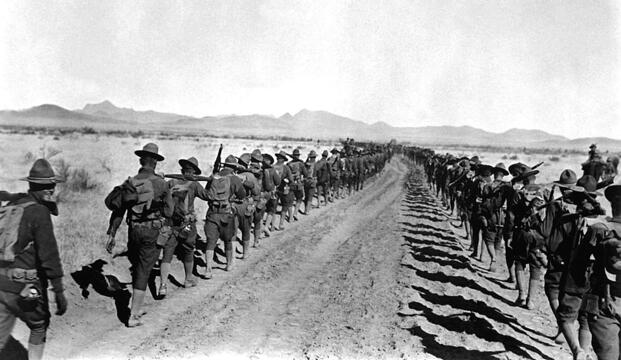
In response, President Woodrow Wilson dispatched General John J. Pershing with 10,000 troops to capture Villa. However, by June, Carranza’s forces began opposing the American military presence in Mexico, setting the stage for the confrontation at Carrizal.
Captain Boyd’s Mission
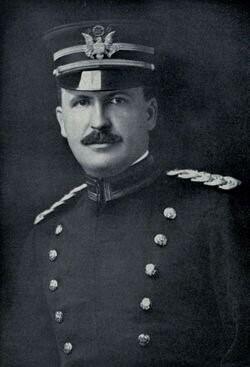
Captain Charles T. Boyd, a seasoned officer and West Point graduate, was tasked by Pershing with scouting Mexican troop movements near Villa Ahumada. His orders, communicated verbally, emphasized avoiding conflict, particularly with Mexican forces. Yet, the lack of written documentation of Boyd’s orders has left much to interpretation.
Alongside Captain Lewis Morey, Boyd led his men through the Mexican desert, enduring harsh conditions. According to Corporal H.C. Houston, “We were awfully thirsty when we completed that hike, and the water was the worst water I ever drank.”
Despite General Félix Uresti Gómez’s warnings to turn back, Boyd sought to pass through Carrizal. A tense encounter ensued, with Boyd ultimately deciding to force his way through, leading to a tragic clash.
The Battle Unfolds
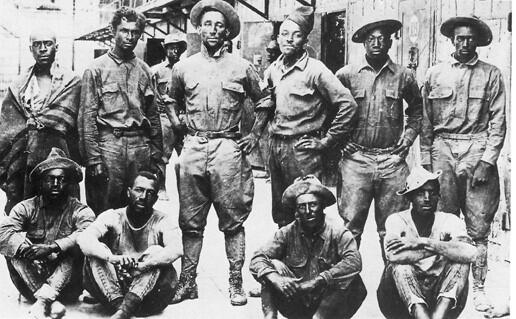
The Buffalo Soldiers, part of the 10th U.S. Cavalry, faced entrenched Mexican troops armed with machine guns. Sergeant Dalley Farrior recounted, “The Mexicans formed a line about 200 yards away and opened fire on us. We laid down and fired back. Then we advanced by rushes.”
Boyd, injured during the skirmish, attempted in vain to bring K Troop forward to support his men. “The Captain tried to get K Troop, which was in our rear, to move up to us,” Farrior recalled. “He was shot and killed at this time.”
Aftermath and Consequences
The battle resulted in devastating losses for both sides. Twelve American soldiers were killed, and twenty-four were captured. Mexican forces, led by General Gómez, also suffered significant casualties, with Gómez himself among the dead.
News of the confrontation reached the U.S. quickly, igniting public outcry and diplomatic tensions. General Frederick Funston expressed his frustration in a telegram, “Why, in the name of God, did I hear nothing from you?” Pershing sought permission to retaliate, but President Wilson, wary of escalating tensions with Germany, declined.
Diplomatic negotiations ensued, leading to the eventual release of the American prisoners. On June 30, President Wilson defended his decision to avoid further military action, stating, “The easiest thing is to strike. The brutal thing is the impulsive thing.”
The Expedition’s Conclusion
Ultimately, the Punitive Expedition accomplished little, with Pershing’s forces withdrawing in early 1917 as the U.S. prepared to enter World War I. The Battle of Carrizal remains a poignant example of the complexities and unintended consequences of military engagements.
While Pershing emerged from the ordeal unscathed, the incident raised questions about leadership and decision-making during the expedition. Historians continue to debate whether Boyd was acting under vague orders or seeking glory. Regardless, the episode underscored the delicate nature of U.S.-Mexico relations during a volatile period in history.