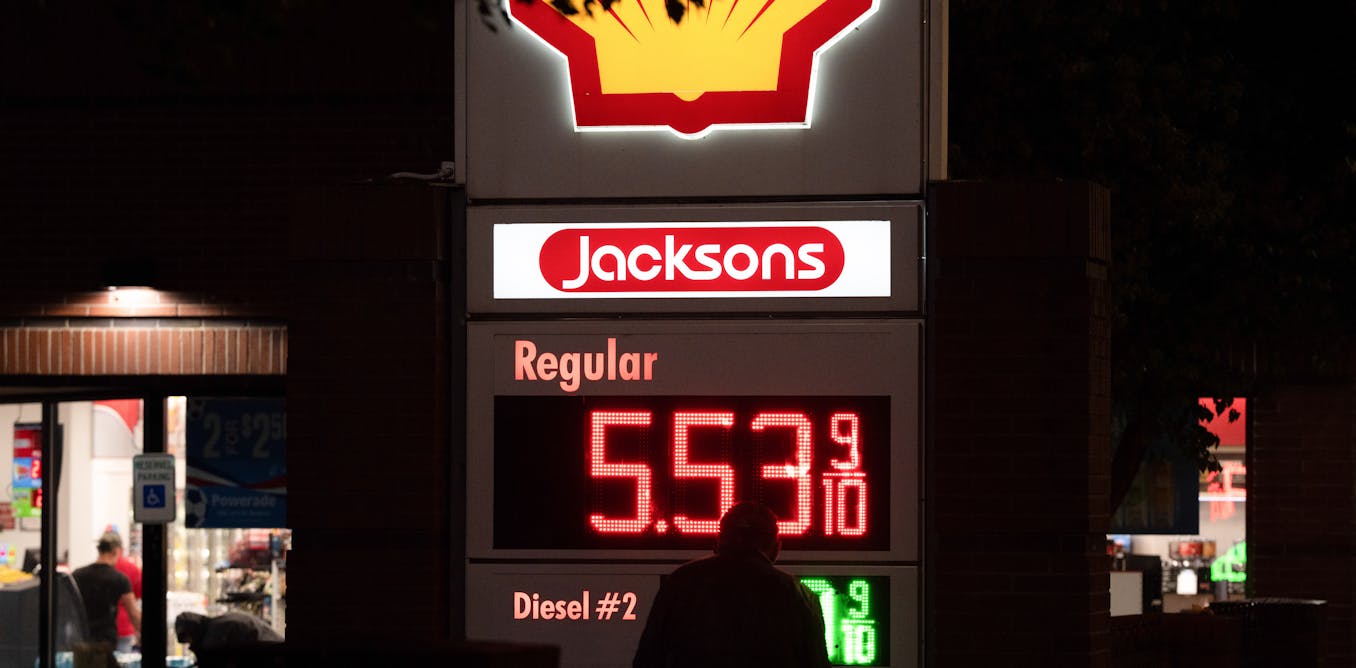
As gas prices remain a hot topic in the U.S., President Donald Trump has suggested a potential solution: pausing the federal gas tax. With the national average price of gasoline hovering over $4.50 per gallon in May 2026, and as the federal gas tax stands at 18.4 cents per gallon for gasoline and 24.3 cents for diesel, the proposal aims to offer some relief to consumers.
While a bill has been introduced in the Senate with expectations for one in the House, the likelihood of it passing remains uncertain. States also have their own gas taxes, ranging significantly, from 70.9 cents per gallon in California to 8.95 cents in Alaska. Some states like Indiana, Georgia, and Utah have already enacted temporary suspensions of their gas taxes.
Energy economists, however, caution that the benefits of suspending gas taxes may not fully reach consumers. Historical data suggests that only 79% of tax reductions are passed on to consumers. This means that oil companies and retailers often retain a portion of the savings. Even if the federal tax suspension were fully passed on, the national average price dip would be modest, reducing only about 4% overall.
Gas prices are influenced by more than just taxes. They are a composite of crude oil costs, refining, distribution and marketing, and taxation. In January 2026, crude oil made up roughly 51% of the pump price, with refining at 20%, distribution and marketing at 11%, and taxes at 18%. Fluctuations in crude oil prices significantly impact these percentages.
Crude Oil’s Dominant Role
The price of crude oil, primarily driven by global market forces, is the largest component of retail gas prices. Typically, price swings result from changes in global demand, though current circumstances, such as the conflict in Iran, represent a significant supply disruption, affecting crude oil availability and, consequently, prices.
Complexities in Refining and Distribution
Refining processes turn crude into usable gasoline, but differences in regional regulations, such as California’s stringent environmental standards, often lead to higher prices. Additionally, the distribution costs, from pipelines to local deliveries, add layers of expense that impact the final price consumers pay.
The Impact of Gas Tax Holidays
While gas tax holidays may provide short-term relief at the pump, they can lead to budgetary shortfalls in infrastructure funding. Moreover, they reduce the fiscal deterrents designed to account for the external costs of driving, such as pollution and road wear.
The ongoing debate over gas prices and taxes highlights the complex interplay of global markets, national policies, and local regulations. As discussions continue, the focus remains on balancing economic relief with long-term fiscal and environmental responsibilities.