Intense Training and High Expectations: Inside the U.S. Army’s Panama Jungle School
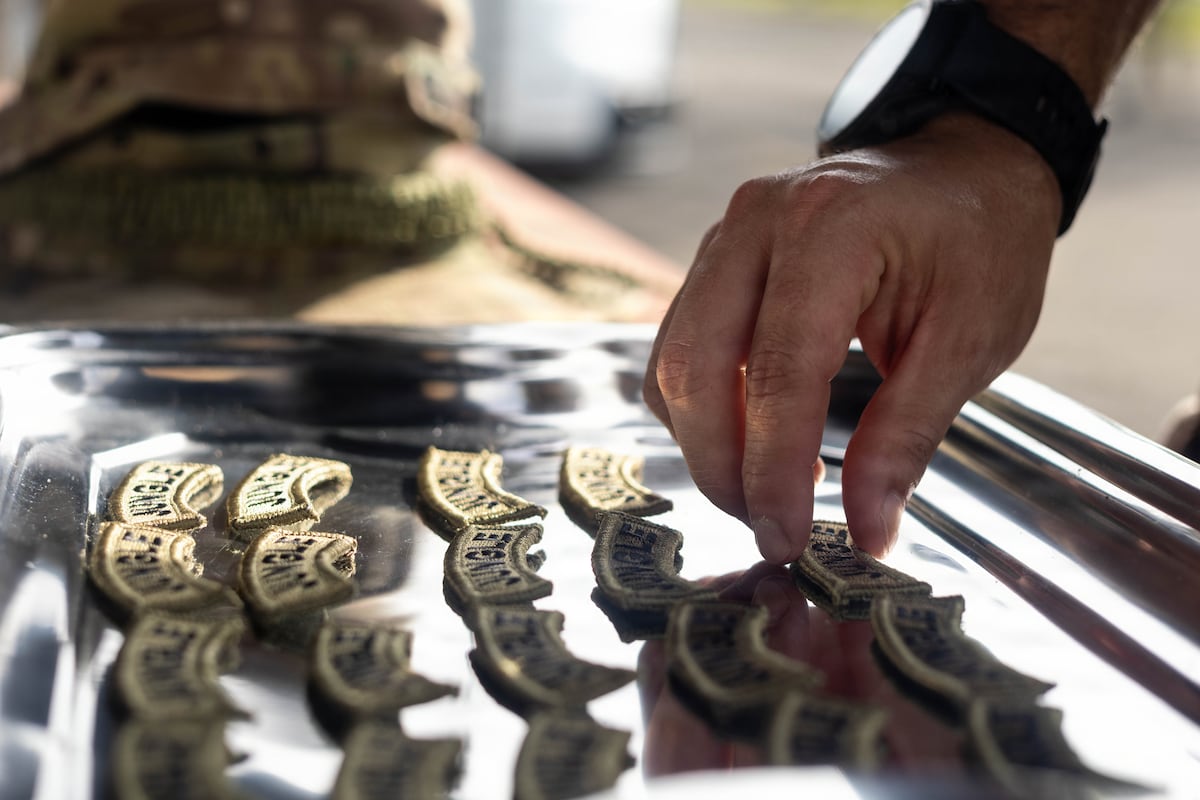
Deep within the dense, sweltering jungles of Panama, the U.S. Army’s jungle school offers a relentless challenge that not all service members conquer. While many attempt the grueling course, only a select few earn the coveted Jungle tab, a newly authorized symbol of their endurance and skill.
The Panama training program resumed in 2025 after a long pause, becoming part of the Army’s renewed focus on the Western Hemisphere. The course’s completion is marked by the Jungle tab, a badge of honor now officially approved for service-wide wear, joining the ranks of other distinguished identifiers like the Special Forces, Sapper, and Ranger tabs.
Courses held at Fort Sherman from 1990 to 1999 and later in Oahu, Hawaii, also allow retroactive tab authorization for past participants. The 18-day course delves into various survival skills, including lessons on local flora and fauna, jungle first aid, and essential survival techniques. However, simply enduring the harsh climate of Panama is not sufficient for earning the tab.
“There’s a difference between graduating the course with the tab and finishing the course,” explained Lt. Col. Andrew Eagan, who oversees the Jungle Operations Training Course in Panama.
Participants must complete the entire course, even if they fail parts of the curriculum, provided there are no medical or safety concerns. “We direct that you will come and you will do the X number of days of training. There are then five critical tasks across the course that you have to pass in order to graduate with the tab,” Eagan emphasized.
Physical and Survival Challenges
Early on, candidates face the Combat Water Survival Assessment (CWSA), which tests their ability to perform survival tasks in water, such as swimming in combat gear and executing a high dive. Alongside this, the 5-kilometer run presents another formidable challenge. This run, though seemingly short at 3.1 miles, is made difficult by Panama’s uneven terrain and oppressive humidity.
With full gear and only 40 minutes to complete the run, initial pass rates ranged from 45% to 55%. However, as awareness of the course’s challenges spread, success rates have improved to over 80%. Lt. Col. Eagan notes, “They’re not undervaluing the difference between 5k here and 5k at the Fort Benning course.”
Master Sgt. Dale Taylor, a former Ranger School instructor, highlighted the course’s toughness, noting that many erroneously equate the run with a simple turkey trot. “It’s nothing alike,” he remarked, pointing to the challenging conditions of heat and humidity.
Mastering Knots and Rope Systems
Students must also demonstrate proficiency in knots and rope systems. Seven knots, including the bowline knot used for secure crossings, are assessed. Candidates must also master the Z-pulley system, crucial for moving injured personnel through challenging terrain.
“You have to pass rope systems, which is individually being able — in a time standard — to tie a one-rope bridge and the Z-pulley system,” Eagan stated. This skill is essential for navigating the unpredictable jungle environment.
The Final Challenge: The Green Mile
The course culminates in the notorious Green Mile, a rigorous test within Panama’s “Green Hell.” This arduous four-mile gauntlet includes muddy paths, steep climbs, and coastal wades, all while carrying heavy gear.
As squads push through the final tasks, the combined strain of minimal sleep and sustenance becomes evident. Lt. Col. Eagan observed, “The biggest difference between a student on day one and the last day is the physical toll the environment took on them,” noting noticeable weight loss among students by graduation.