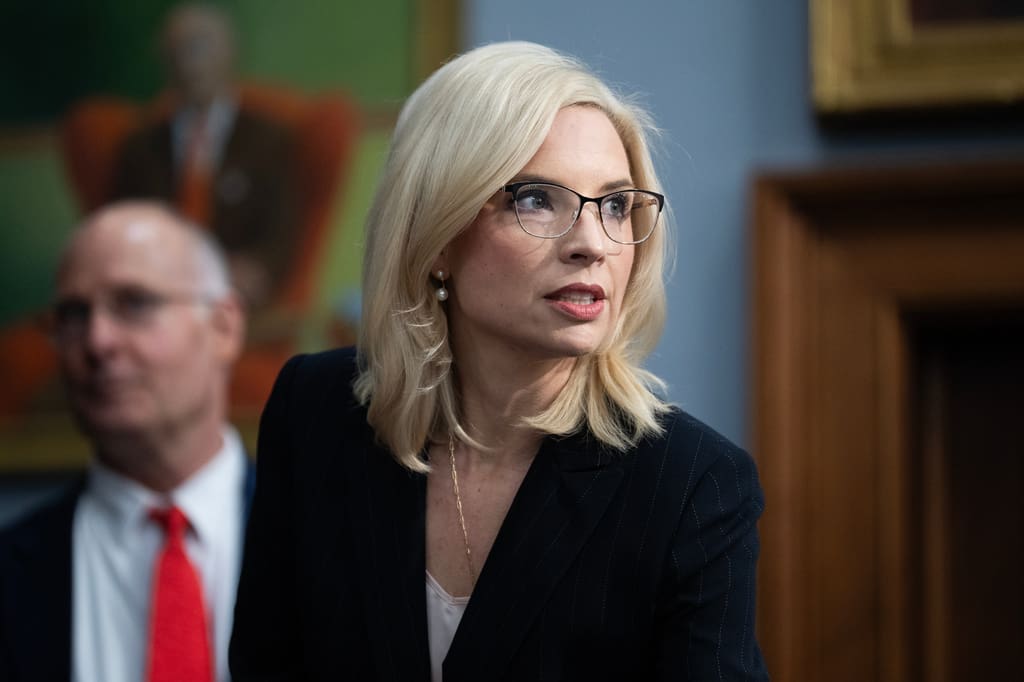

Iowa’s water safety has become a focal point in political debates as Representative Ashley Hinson’s legislative history comes under scrutiny. Her voting record on environmental issues, particularly concerning water pollution regulations, is drawing increased attention as she campaigns for the U.S. Senate.
Water Quality Concerns Among Iowa Voters
A recent survey by Food & Water Action highlights that 58% of Iowa voters consider water quality and pollution as significant issues, making it a potential hot topic in the upcoming election. This concern is underscored by Hinson’s repeated votes to relax clean water regulations, raising worries about the impact on public health due to the presence of harmful chemicals like PFAS.
The Threat of PFAS
PFAS, or per- and polyfluoroalkyl substances, are durable chemical compounds used in various consumer products. Their resistance to water degradation makes them persistent in the environment, leading to contamination issues. Exposure to PFAS through drinking water has been associated with health risks, including cancer and birth defects, as reported by the Iowa Capital Dispatch.
Linda Birnbaum, former head of the National Institute of Environmental Health Sciences, told NPR, “We’re finding them contaminating many rivers, many lakes, many drinking water supplies. And we’re finding them not only in the environment, but we’re finding them in people.”
Legislative Actions and Implications
In 2022, the Iowa Department of Natural Resources (DNR) identified PFAS contamination in at least 12 drinking water sources across the state. Despite these findings, Hinson voted against the PFAS Action Act in July 2021, which aimed to enforce stricter monitoring and cleanup of these chemicals by the EPA. Although the bill passed the House, it faced opposition in the Senate.
From 2023 to 2025, Hinson cast multiple votes to reduce the reach of the Clean Water Act, the main federal law for controlling water pollution. This included efforts to restrict federal oversight on polluted waters and a 2023 amendment that would have limited the EPA’s authority over water contamination across states, although the amendment did not succeed.
Impact of Government Efficiency Cuts
Hinson has also advocated for the Department of Government Efficiency (DOGE), a controversial Trump-era program responsible for significant federal budget cuts. These cuts are now linked to delays in PFAS cleanup at military bases, affecting communities near 140 installations, including sites in Des Moines and Sioux City.
In light of these issues, Hinson’s stance on government spending was clear, as she stated last year, “I think that this is exactly what the federal government needs,” emphasizing taxpayer demand for “accountability and transparency” in a statement to the Des Moines Register.
Political Future
As Hinson vies for a Senate position, replacing retiring Sen. Joni Ernst, her environmental voting record is expected to be a critical point of discussion. The Democratic candidate she will face is to be decided in the upcoming June 2 primary.