Immigration Advocates in Detroit Push for Policy Changes
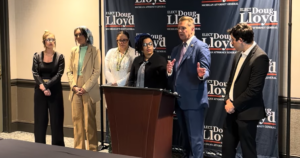
A group of immigration advocates, primarily led by Catholic organizations, gathered in Detroit to outline their policy objectives aimed at influencing state and national candidates. The advocates are lobbying for changes that would benefit immigrants living in Michigan without authorization from the federal government.
During the meeting, Guadalupe Enriquez, a member of the Strangers No Longer group from Sterling Heights, emphasized the importance of granting driver’s licenses to unauthorized immigrants in Michigan. Enriquez highlighted how having a driver’s license would alleviate worries and fears for immigrant families, allowing children to focus on their education without concerns about safety.
Founded in response to President Donald Trump’s immigration policies, Strangers No Longer initially focused on advocating for driver’s licenses for immigrants. Despite facing setbacks in the past, the group has expanded its goals to include various policy proposals after engaging with immigrant communities across the state.
Among the key policy objectives adopted by the group are increased oversight of immigration detention centers, ensuring due process for detainees, and urging local law enforcement to cease collaboration with federal immigration agencies like ICE and CBP. State Attorney General Dana Nessel warned about the legal risks associated with such cooperation, emphasizing the potential liabilities for local communities.
While Strangers No Longer does not endorse political candidates, the group intends to assess candidates’ positions on their proposed policy changes. The advocates aim to make tangible and achievable demands that could be implemented at the state and local levels.
By ratifying their policy platform akin to a political convention, the advocates hope to bring attention to pressing issues affecting immigrant communities and encourage actionable steps from policymakers and law enforcement agencies.