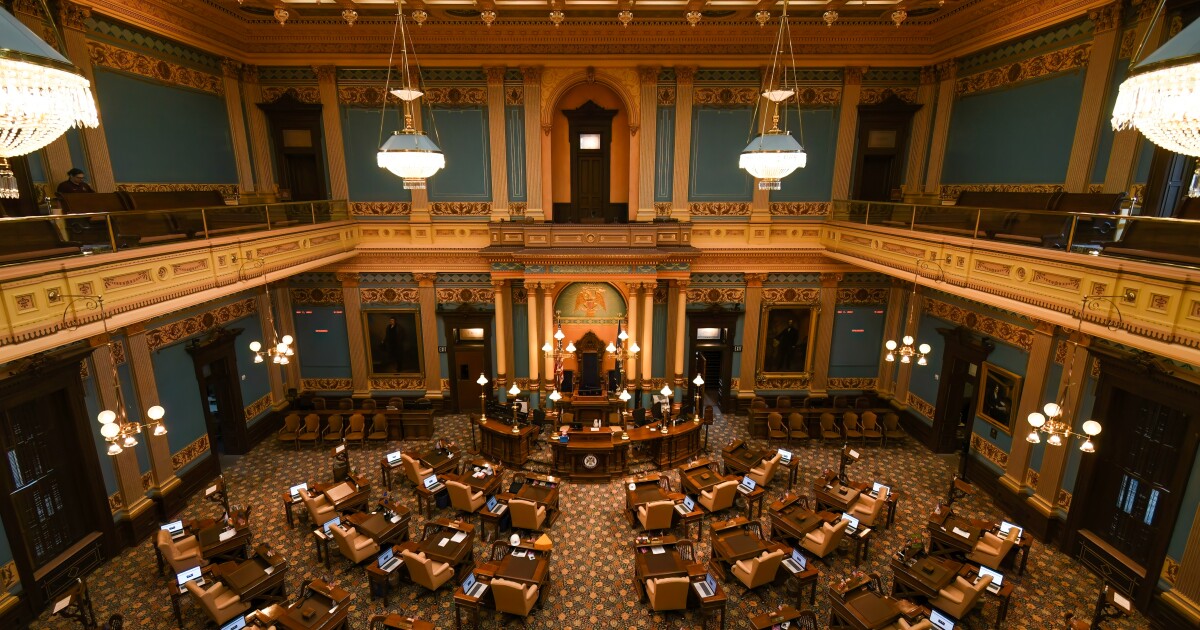
Michigan Senate Sees Shift in Balance with Democrat Chedrick Greene’s Victory
Following a decisive win by Democrat Chedrick Greene in a special election, the Michigan Senate now holds a two-seat majority for the Democrats. Greene’s unexpected victory has sparked discussions about its impact on the current legislative session and potential implications for the upcoming midterm elections in November.
Unprecedented Margin of Victory
In the recent special election, Chedrick Greene secured approximately 59% of the votes, surpassing his Republican opponent by a significant margin. Political analyst Zach Gorchow described Greene’s win as “earthquake-level stuff,” noting that Greene’s victory by 19 points in a traditionally competitive district was remarkable. This outcome, especially with Greene being a political newcomer, has raised eyebrows and generated speculation about the Democrats’ momentum.
Significance for Midterm Elections
While cautioning against drawing direct parallels between a single special election and broader political trends, Gorchow highlighted the historical correlation between special election outcomes and subsequent general elections. He pointed out past instances in Michigan where significant victories in special elections foreshadowed sweeping wins for the respective parties in later elections. The Democrats’ strong performance in this race has sparked optimism for their prospects in the upcoming midterms.
Budget Negotiations in an Election Year
Shifting the focus to legislative priorities, discussions around the Michigan state budget have also garnered attention. With the Republican-led House and Democratic-controlled Senate proposing differing budget plans, the looming question is whether the election year dynamics will expedite the budget approval process. Gorchow emphasized that the current timeline for budget discussions is considerably ahead of last year, indicating a more streamlined approach to meeting the budget deadline by the end of June.
“There is a long track record of evidence in Michigan and around the country that when you have one party dramatically overperforming in special elections or off-year elections, that it does signal they have a lot of momentum.”
Zach Gorchow of Gongwer News Service on what Democrat Chedrick Greene’s victory in the Michigan Senate 35th district special election could signal for midterm races this fall
In the midst of political negotiations and budget discussions, the upcoming election looms large for many members of the Michigan legislature. With primaries on the horizon, candidates are eager to return to their districts and hit the campaign trail. The pressure is on to finalize the budget and avoid being criticized by opponents for any delays.
One notable point of contention in the budget proposals put forth by the House Republicans is their aim to reduce the overall budget size without making obvious cuts to programs. This strategy includes significant cuts to information technology funding across departments, with the Department of State facing a 100% reduction in funding for IT. However, it is unlikely that such drastic cuts will be approved by the governor, as they could have negative implications for essential services.
Interestingly, neither the House nor the Senate has backed the governor’s proposal for new revenue to support Medicaid, yet both have managed to maintain funding for Medicaid programs in their budget plans. This discrepancy raises questions about the sustainability of Medicaid services without additional financial support.
As the budget negotiations continue, the decisions made by Michigan lawmakers will have far-reaching implications for the state’s residents and services. The balancing act between fiscal responsibility and maintaining essential programs remains a key focus as the deadline for budget approval approaches.