Democratic Candidates Outraise Republicans in Key Midterm Contests
In the upcoming midterm elections, Democratic candidates are leading the fundraising race against Republicans in crucial contests that will determine the majorities in both the House and Senate. This trend comes at a time when the Democratic Party is facing record low approval ratings among voters, prompting a reevaluation of its future strategies.
A notable shift is the emergence of well-funded, younger primary challengers taking on older Democratic incumbents, powered by a surge in individual contributions. Additionally, nearly 70 lawmakers from both parties have either retired, pursued different offices, or lost primary elections, further reshaping the political landscape.
Republican prospects are also facing challenges, with traditional midterm headwinds intensified by President Trump’s unpopularity and voter discontent on issues like the economy, immigration policies, and the situation in Iran. However, the GOP can rely on substantial financial reserves from national party committees and super PACs to counterbalance Democratic momentum.
One wildcard in the upcoming elections is Trump’s MAGA Inc. super PAC, which possesses a significant war chest of nearly $350 million. This financial muscle could potentially influence the trajectory of the final two years of Trump’s presidency, depending on how it is utilized.
Charting the Political Landscape
Democratic Senate Fundraising Dominance
Democrats are leading the fundraising efforts in key Senate races, aiming to defend vulnerable seats in states won by Trump in 2024 and flipping additional seats to secure a Senate majority. Notably, Democratic candidates have outpaced Republicans in fundraising in seven Republican-held Senate seats, including Texas, North Carolina, and Alaska.
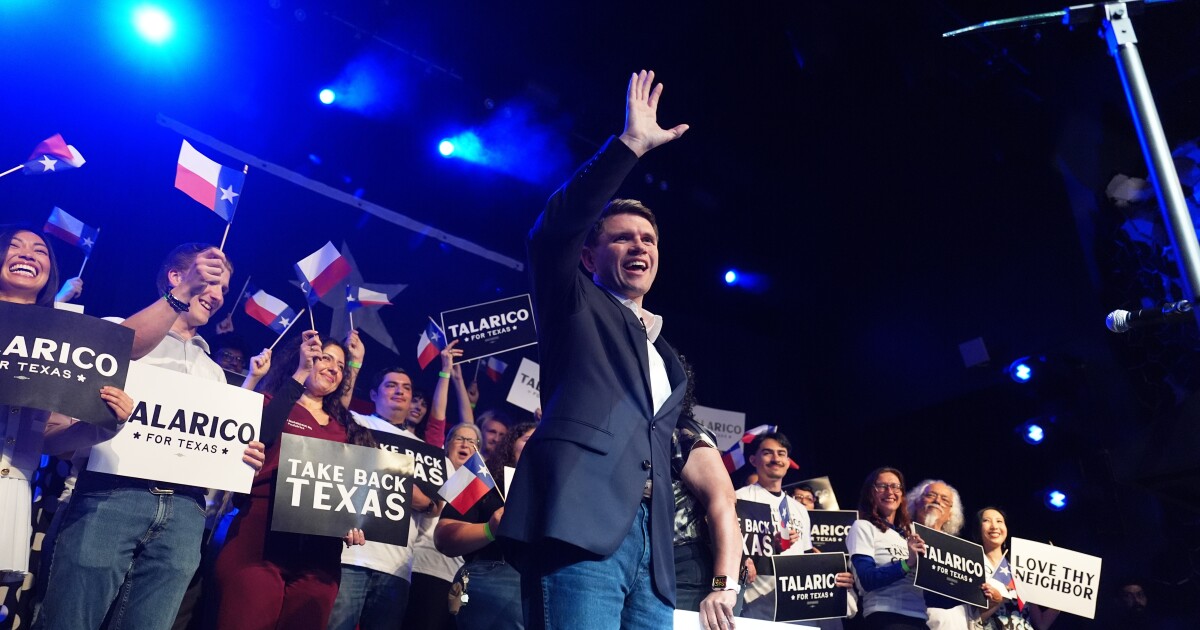
Recent financial disclosures reveal impressive fundraising figures for Democratic contenders like James Talarico in Texas and Jon Ossoff in Georgia, indicating robust support for their campaigns. Even independent candidates aligned with the Democratic Party have surpassed Republican incumbents in fundraising in conservative strongholds like Montana and Nebraska.
Republican Financial Superiority
Although Democratic candidates are enjoying fundraising success, Republicans possess a financial edge in the overall campaign landscape. Despite Democratic enthusiasm in competitive races, negative perceptions of the national Democratic Party have translated into fundraising challenges for party committees and allied super PACs.
The Republican National Committee, along with congressional and senatorial committees, boasts double the cash reserves of their Democratic counterparts. Coupled with the formidable financial backing of Trump’s MAGA Inc., Republicans are well-positioned with nearly $850 million to safeguard vulnerable races and exploit opportunities in battleground contests.
Challenges for Incumbents
While many incumbents maintain a strong fundraising advantage and high re-election rates, a significant number of older House Democrats are confronting well-funded younger challengers in their reelection bids. Despite facing formidable fundraising efforts from newcomers, some incumbents like Rep. Valerie Foushee of North Carolina have successfully navigated primary challenges.
Notably, the majority of incumbents retain a stronghold in their districts, with primary and general election fundraising heavily reliant on their campaigns. However, vulnerable lawmakers like Rep. Steve Cohen and Sens. Bill Cassidy and John Cornyn face tough primary contests amidst shifting political dynamics.
Stability Amidst Change
As the midterm elections approach, control of the House and Senate hinges on a limited number of districts where incumbents typically secure victory. Campaign finance data indicates that incumbents still running for reelection command a lion’s share of fundraising efforts, underscoring their entrenched positions in their respective races.
Despite challenges and fundraising disparities, the political landscape remains fluid, with the outcome of the midterm elections poised to reshape the balance of power in Congress.