Michigan Primary Election Sees High Turnout Disparity Between Democrats and Republicans
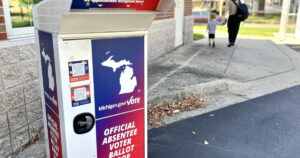
Michigan witnessed a substantial voter turnout of over 2.5 million residents in this year’s primary election. However, a notable contrast emerged in the number of Democratic and Republican voters who participated in the electoral process. The significant disparity raises questions about the underlying factors influencing voter engagement and party participation.
According to Corwin Smidt, an Associate Professor of Political Science at Michigan State University, the turnout gap between Democrats and Republicans in the primary election prompts an exploration into the dynamics shaping political engagement within the state. The surge in Democratic voter turnout compared to their Republican counterparts signals distinct patterns of civic involvement and political mobilization.
Smidt’s insights shed light on the implications of such divergent participation levels on the electoral landscape and the potential ramifications for future political developments in Michigan. The primary results serve as a barometer of voter enthusiasm and party affiliation dynamics, offering a glimpse into the prevailing sentiments and priorities of Michigan voters.
For those interested in staying informed about the latest political updates and analysis from Zoe and Rick, signing up for the It’s Just Politics newsletter can provide valuable insights and perspectives on the evolving political climate in Michigan and beyond.