Michigan Voters to Decide Competitive Democratic U.S. Senate Primary
Michigan voters are gearing up to cast their ballots in a closely watched Democratic U.S. Senate primary on Tuesday. The outcome of this contest not only holds significance for the control of the Senate but also serves as a litmus test for the rising influence of the party’s progressive wing and a powerful pro-Israel organization.
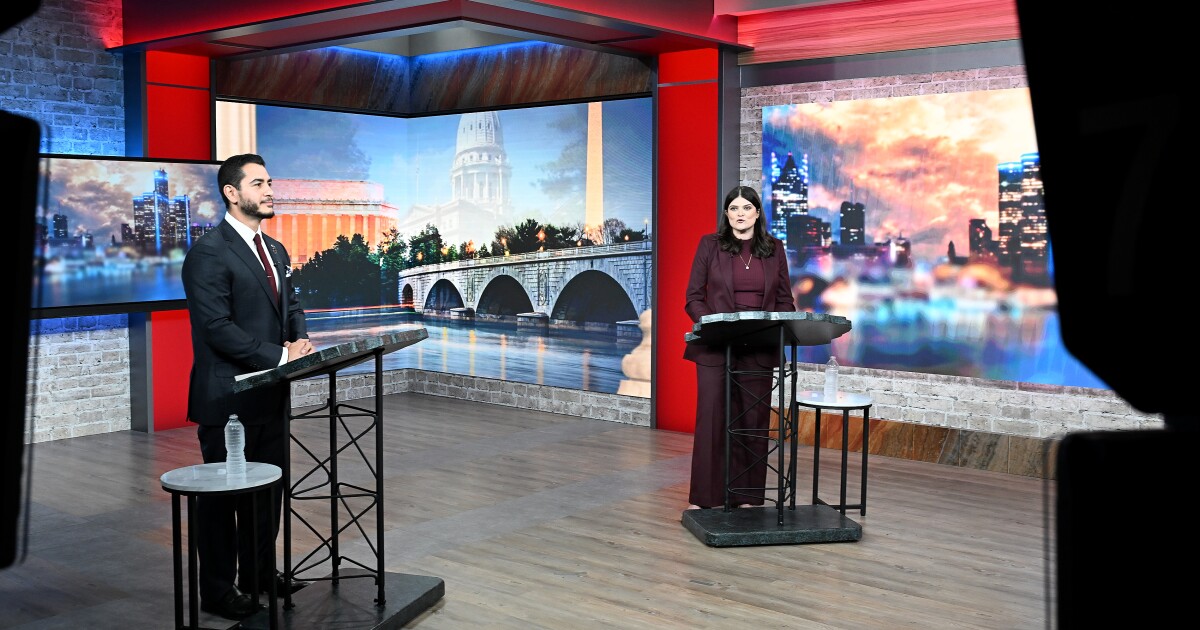
The state of Michigan has emerged as a pivotal electoral battleground, evident from the fiercely contested races it will witness in the upcoming election cycle for governor, U.S. House seats, and the state Legislature. Among the highlights of the primary is the face-off between U.S. Rep. Haley Stevens and former Detroit public health official Abdul El-Sayed.
Key Endorsements and Fundraising Dynamics
Stevens, backed by a significant portion of Michigan’s Democratic establishment, has garnered endorsements from influential figures like U.S. Sen. Gary Peters and former Gov. Gretchen Whitmer. On the other hand, El-Sayed has secured support from prominent progressive leaders including Senators Bernie Sanders and Elizabeth Warren.
Despite El-Sayed outpacing Stevens in fundraising efforts, the two candidates are neck and neck in terms of available campaign funds as they head into the final stretch of the primary season. Notably, outside groups, including one affiliated with the American Israel Public Affairs Committee (AIPAC), have heavily invested in supporting Stevens and opposing El-Sayed.
Factors Shaping the Race
The withdrawal of State Sen. Mallory McMorrow from the primary has added a layer of uncertainty to the race, with both campaigns vying for her former supporters. The eventual Democratic nominee will face former U.S. Rep. Mike Rogers, who is unopposed for the Republican nomination.
Michigan’s electoral landscape, encompassing counties like Wayne, Oakland, Macomb, and Washtenaw, will play a crucial role in shaping the primary and general election outcomes. Historically, progressive candidates have found strong support in Washtenaw and Kent counties, with Wayne County boasting a significant share of Black residents and individuals of Arabic, Middle Eastern, or North African descent.
Other Contested Races
Aside from the Senate primary, Michigan will witness competitive gubernatorial and U.S. House primaries, with candidates like Secretary of State Jocelyn Benson and U.S. Rep. John James leading the pack in their respective races. Several congressional districts, including the 7th, 10th, and 11th, are also up for grabs, each potentially influencing the balance of power in the House.
As Michigan voters head to the polls, the results of these primaries will not only shape the state’s political landscape but also provide insights into the evolving dynamics of the Democratic Party and its progressive factions.
In Michigan, primary elections are a crucial part of the democratic process, allowing voters to select their preferred candidates for various positions. With about 8.3 million registered voters in the state, the primary elections play a significant role in shaping the political landscape.
The Associated Press will be closely monitoring and reporting on contested primaries for U.S. Senate, U.S. House, governor, state Senate, and state House races. These results are vital in determining the direction of Michigan’s political future.
One key aspect of Michigan’s primary elections is the absence of voter registration by party, allowing any eligible voter to participate in any party’s primary. This open system ensures that all voices have the opportunity to be heard in the electoral process.
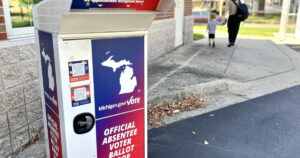
Early and absentee voting have become increasingly popular in Michigan, with about 63% of the vote in the 2024 state primary being cast through these methods. This shift towards early voting was initiated after voters approved a 2022 ballot measure to expand voting opportunities.
Counties in Michigan vary in how and when they release vote results, but the initial updates typically include a mix of mail, early in-person, and Election Day voting. The vote-counting process usually progresses steadily throughout the night, with the AP declaring results when it’s clear that no trailing candidate can overcome the lead.
Recounts in Michigan are automatic in statewide races if the margin is 0.1% or less, highlighting the state’s commitment to ensuring electoral accuracy. Candidates can also request and pay for a recount if they believe there was a vote-counting error that impacted the outcome.
Looking ahead, the 2026 midterm elections are just 91 days away, underscoring the continuous cycle of elections and the importance of active participation in shaping Michigan’s political landscape. Stay tuned for updates on the primary election results as they unfold in the coming days.