The Trump Administration Plans to Challenge Court Decision on Voter Data Sharing
In recent developments, the Trump administration has indicated its intention to challenge a ruling by the U.S. Sixth Circuit Court of Appeals that states like Michigan do not have to provide confidential voter information to the federal government. This decision comes as a federal judge in Massachusetts ruled against the U.S. Postal Service’s refusal to deliver mail-in ballots to unlisted addresses.
The U.S. Sixth Circuit Court of Appeals’ decision stated that the government does not have the authority to demand private voter information from states under the U.S. Civil Rights Act of 1960. Michigan, serving as the lead plaintiff in the case, emphasized the importance of protecting voters’ personal data, including birthdates, driver’s license numbers, and partial Social Security numbers.
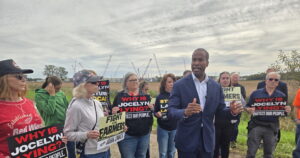
Secretary of State Jocelyn Benson, representing Michigan, emphasized, “The law cannot be any clearer – states oversee elections, and the federal government does not have the right to access Michigan voters’ personal data.” The court ruling reaffirmed a state’s right to reject compliance with the presidential executive order.
Despite the White House’s commitment to ensuring election administration confidence, the administration plans to challenge the appeals court ruling. White House Deputy Press Secretary Abigail Jackson reiterated the administration’s stance on upholding the executive order’s legality in safeguarding elections.
The Trump administration aims to access voter rolls, including non-public records, to assist the U.S. Department of Homeland Security in verifying voters’ citizenship status. However, Michigan’s Deputy Secretary of State Aghogho Edevbie highlighted the state’s existing measures to verify citizenship, including checks during voter registration and regular audits of voter rolls to identify ineligible voters.
During a recent audit, Michigan identified citizenship issues with only 16 individuals out of 5.7 million registered voters, underscoring the effectiveness of the state’s voter verification processes. Edevbie emphasized the state’s commitment to ensuring the integrity of elections by conducting post-election audits to prevent non-citizens from participating in voting.