Understanding Michigan’s Election Process
As election night unfolds, delays in results can spark concerns about the integrity of the voting process. However, experts assure that these delays are not indicative of fraud but rather a result of Michigan’s unique election system.
A Decentralized System
Michigan boasts one of the most decentralized election systems in the country, with over 1,500 city and township clerks responsible for counting and reporting results. These results are then sent to county clerks for consolidation before reaching the state. This decentralized structure serves as a safeguard against potential interference in the election process.
Stephanie Leiser from the University of Michigan’s Center for Local, State, and Urban Policy emphasized the protective nature of this decentralized system, stating, “It’s a natural limit on how much things can go wrong.”
Early and Absentee Voting
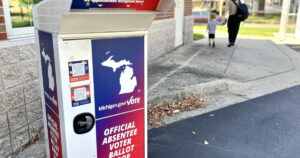
Michigan voters approved a constitutional amendment in 2022 that expanded voting rights by guaranteeing eight days of in-person early voting, pre-paying return postage on absentee ballots, and ensuring access to ballot drop boxes. The amendment also permitted pre-processing and tabulation of absentee ballots before Election Day in response to the surge in absentee voting.
Despite these provisions, the verification, processing, and counting of absentee ballots dropped off on Election Day can contribute to delays in finalizing results.
Anticipating Election Results
Due to the intricate reporting structure in Michigan, the state’s official election results page is often the last to be updated. While some local clerks and larger counties may intermittently post results, the certification of election winners by county and state boards of canvassers can extend the result declaration process until mid-August.
For the latest election updates, interested individuals can visit the Michigan Public website at michiganpublic.org/election.