Inside Myanmar’s Digital Scamming Revolution: The Use of AI and American Technology
In a world increasingly driven by technology, the tools initially designed to connect and empower people are being exploited for more sinister purposes. Safeer Mohammed Koorimannil’s story is a stark reminder of this reality. Trafficked to a scam operation in Myanmar, Koorimannil was tasked with making victims fall in love with a fake persona, all while under the watchful eyes of supervisors armed with electric batons.
Operating under the guise of a 28-year-old Singaporean woman named Ella, Koorimannil interacted with over 100 people simultaneously using AI-powered software. In a single month, he targeted around 50,000 victims across 17 countries, employing cutting-edge technology from American companies to aid in this deceit.
The Role of American Technology
According to an investigation by AP and “FRONTLINE,” technology from the U.S. is at the core of these scamming operations. AI models like ChatGPT and Gemini have been leveraged to create software capable of managing scams across multiple languages and countries. This misuse of technology raises questions about the enforcement of terms of service by American companies, which explicitly prohibit illegal activities.
Despite the absence of illegal actions by these companies themselves, the infrastructure they provide is pivotal in the global expansion of scams. The investigation revealed that U.S. companies are integral throughout the digital supply chain that connects scammers with their victims.
Internet Infrastructure and Scamming Compounds
The research highlighted sophisticated internet infrastructures supporting scam economies in Myanmar, with key players like Starlink, AT&T, and Oracle providing essential services. Notably, Starlink, a satellite internet provider owned by Elon Musk, has become the top service provider in Myanmar, despite public scrutiny and a crackdown on scam centers.
In Myanmar, at least 25 new scam compounds have emerged since a crackdown along the Thai border last fall. These sites use Starlink IP addresses to remain operational, showcasing the challenge of fully eradicating these networks.
Legal and Regulatory Challenges
Despite the technological capabilities to counteract these scams, companies often lack the legal and regulatory incentives to act. The United States, unlike other regions such as the EU and Australia, has not imposed stringent regulations forcing companies to prevent scams.
In response, the District of Columbia U.S. Attorney launched the Scam Center Strike Force to tackle scam compounds, disrupting millions of fraudulent accounts. Yet, comprehensive solutions remain elusive as companies cite privacy concerns and lack the incentives to invest in proactive measures.
The Human Cost
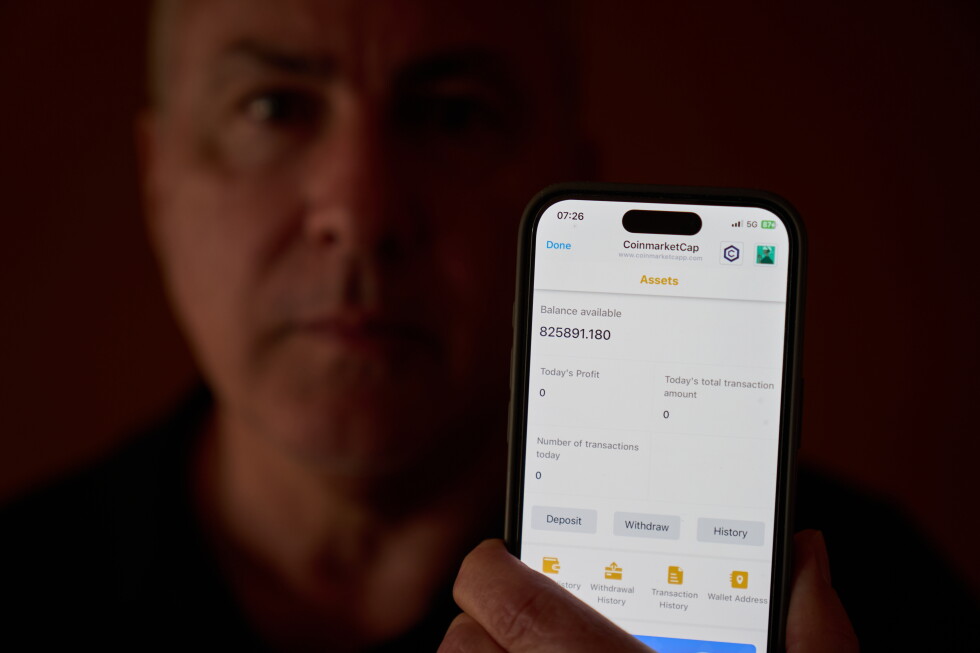
The human impact of these scams is profound. Victims like Chris Colocousis, who lost his retirement savings to a scam orchestrated by a supposed financial expert, highlight the personal toll. The psychological distress and financial ruin inflicted by these operations are devastating, leading to calls for greater accountability from tech companies.
Efforts to disrupt these networks continue, but the adaptability of scammers and the global nature of digital infrastructure present ongoing challenges. As technology evolves, so too must the mechanisms to protect individuals from such exploitative practices.