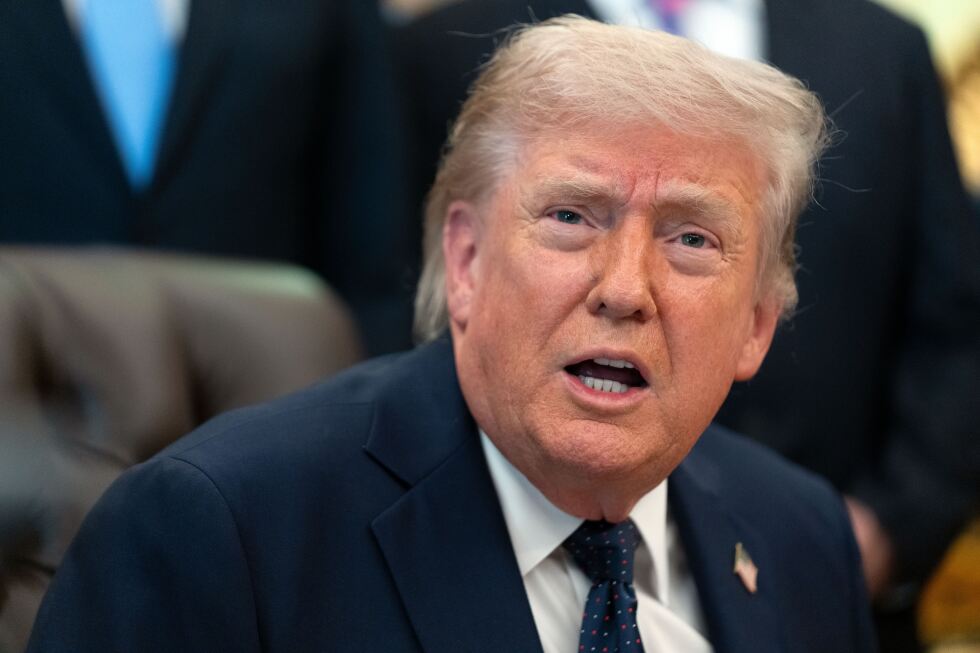
In a significant legal development, a federal appeals court has halted a critical aspect of former President Donald Trump’s immigration policy. The ruling, which stops the enforcement of an executive order limiting asylum access, marks a pivotal moment in ongoing debates over U.S. immigration laws.
A panel of three judges from the U.S. Court of Appeals for the District of Columbia Circuit stated that existing immigration laws entitle individuals to seek asylum at the U.S. border. This finding directly challenges the executive action, emphasizing that the president lacks the authority to bypass these legal provisions.
The court’s decision highlights that the Immigration and Nationality Act (INA) does not permit the president to implement procedures that sidestep the rights of asylum seekers. “The power by proclamation to temporarily suspend the entry of specified foreign individuals into the United States does not contain implicit authority to override the INA’s mandatory process to summarily remove foreign individuals,” wrote Judge J. Michelle Childs, appointed by President Joe Biden.
Following the court’s ruling, the White House has not issued any immediate comments regarding the outcome.
Expressing approval of the decision, ACLU attorney Lee Gelernt remarked, “The appellate ruling is essential for those fleeing danger who have been denied even a hearing to present asylum claims under the Trump administration’s unlawful and inhumane executive order.”
In his partial dissent, Judge Justin Walker, a Trump appointee, acknowledged that while the law safeguards migrants from being sent to countries where they might face persecution, it simultaneously grants the administration the ability to broadly reject asylum applications.
Walker concurred with the majority opinion that the president is prohibited from deporting individuals to nations where they risk persecution or from removing established protective procedures. Judge Cornelia Pillard, appointed by former President Barack Obama, also participated in reviewing the case.
For further details, refer to the full court document.