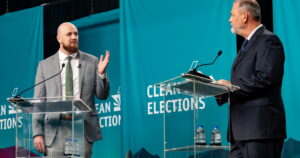
The Colorado River, a vital water source for seven western U.S. states, is at the center of ongoing negotiations as states struggle to devise a plan for equitable water distribution. Despite a critical need for consensus, recent discussions at the Colorado River Water Users Association conference in Las Vegas did not yield a long-term solution.
Participants from California, Nevada, Arizona, Colorado, New Mexico, Utah, and Wyoming, along with federal and tribal representatives, remain divided on how to manage the river’s depleting resources. The urgency is underscored by the passing of a November deadline for a new agreement, with the U.S. Bureau of Reclamation setting a new deadline of February 14.
An Indispensable Resource
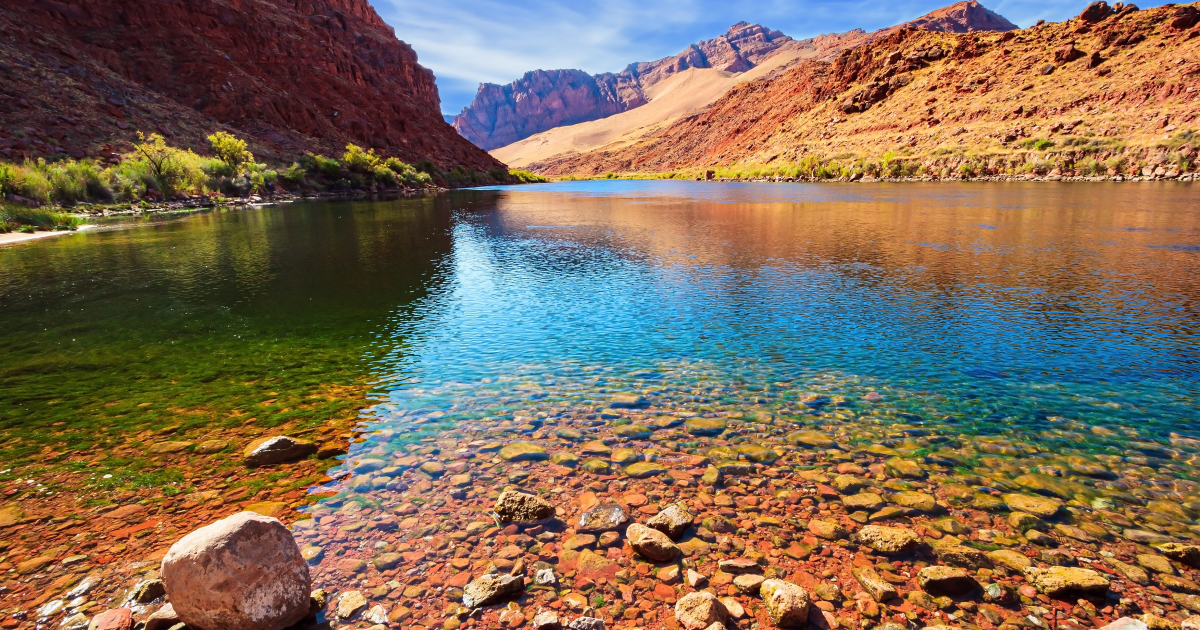
Spanning seven U.S. states and reaching into Mexico, the Colorado River is essential for over 40 million people, including Native American tribes. Key agricultural areas in California and Arizona depend on the river to cultivate winter crops such as broccoli and carrots, while the river also supplies water and electricity to numerous urban areas.
However, the persistent drought, excessive use, and rising temperatures necessitate a re-evaluation of water usage agreements. With existing guidelines set to expire in 2026, the states have yet to agree on a path forward. The federal government has abstained from imposing its own plan, preferring a collaborative solution, yet the risk of litigation looms if consensus is not reached.
Complex Negotiations
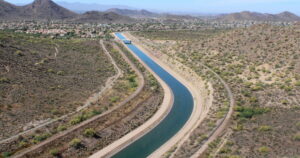
Negotiators from each state emphasize their respective conservation efforts, such as turf-removal and canal lining projects. However, no state appears willing to shoulder additional cuts, with each suggesting that others should reduce their usage instead. John Entsminger of the Southern Nevada Water Authority noted the potential for a short-term agreement, stating, “As we sit here mid-December with a looming February deadline, I don’t see any clear path to a long-term deal, but I do see a path to the possibility of a shorter-term deal to keep us out of court.”
Lower Basin states have proposed reducing water use by 1.5 million acre-feet annually to address a structural deficit. Meanwhile, Upper Basin states argue against further cuts, citing their already limited usage and obligations to send water downstream. Estevan López, representing New Mexico, remarked, “Our water users feel that pain.”
Without a unified plan, the Bureau of Reclamation plans to release various proposals soon. Acting commissioner Scott Cameron urged for cooperation, warning, “The only certainty around litigation in the Colorado River basin is a bunch of water lawyers are going to be able to put their children and grandchildren through graduate school. There are much better ways to spend several hundred million dollars.”