Discovering Curaçao: A Journey Through History, Culture, and Connection
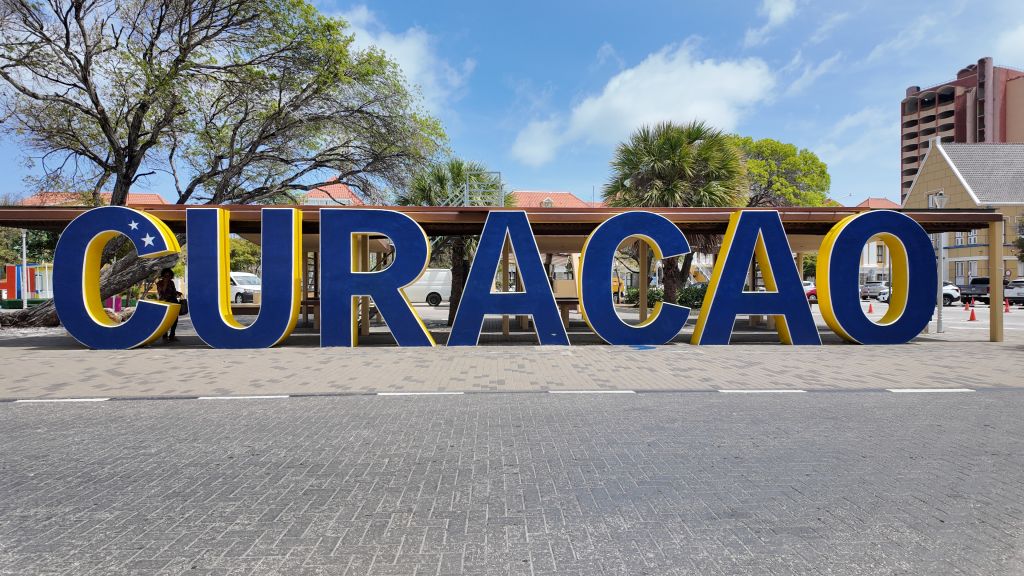
The island of Curaçao is more than just a picturesque destination; it is a vibrant tapestry of Black history and culture that captivates visitors the moment they arrive. Its breathtaking landscapes are only the beginning of the journey for those who seek to explore its rich heritage.
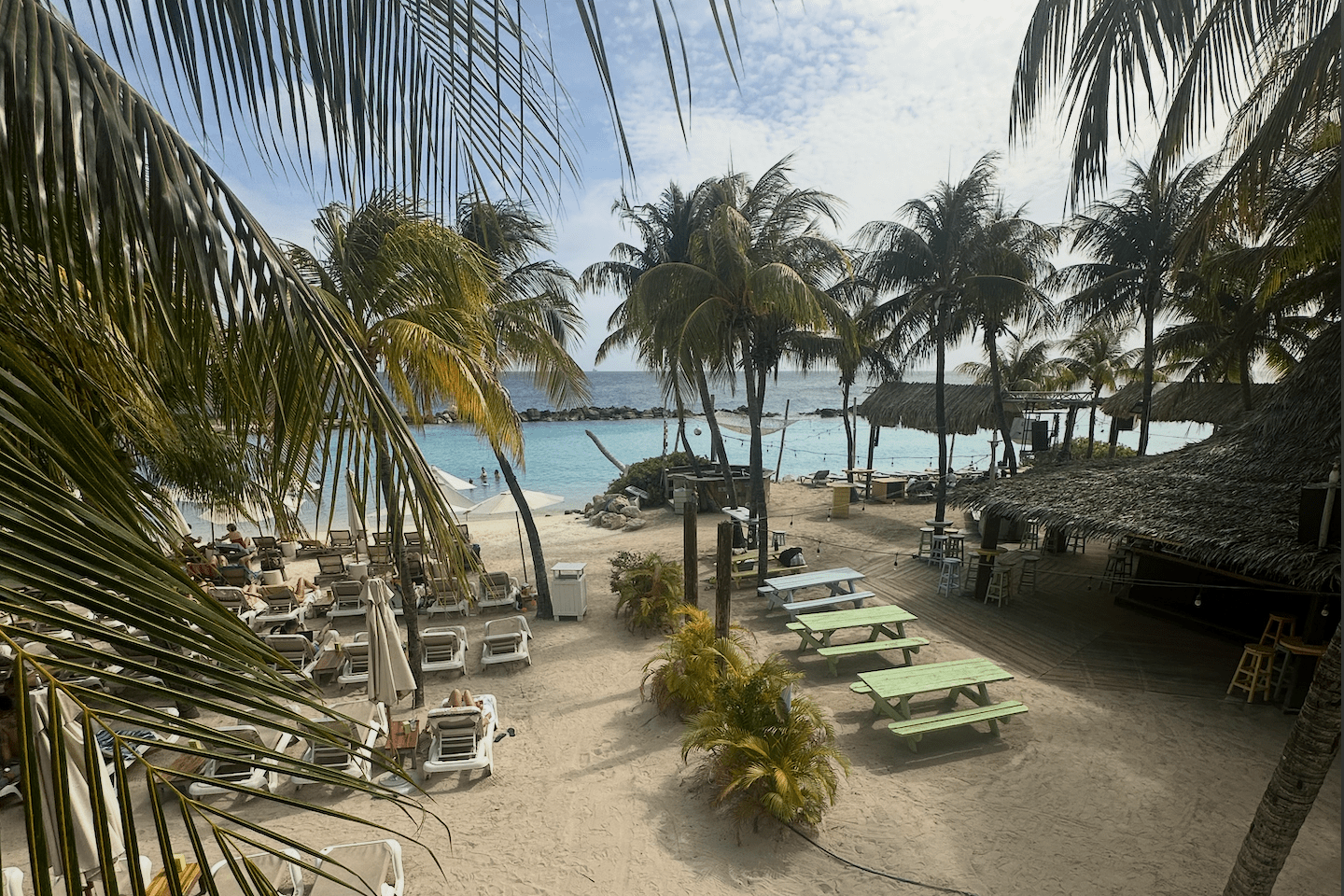
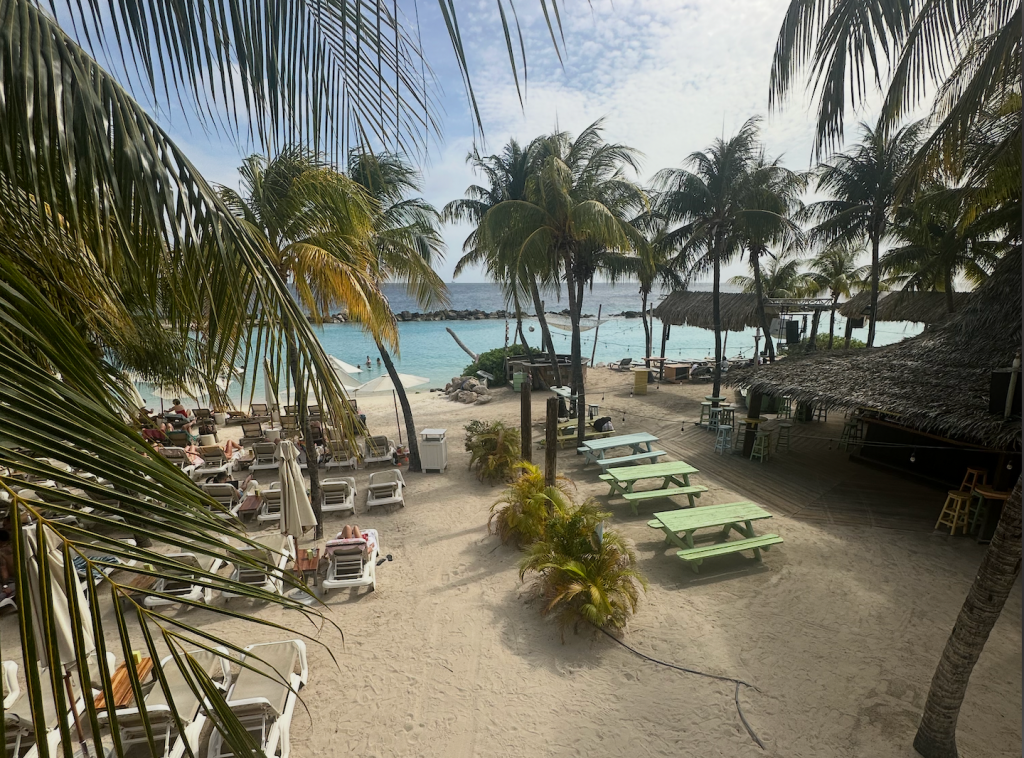
My first encounter with the island’s charm was at the water’s edge, where the serene turquoise waves mesmerized me. This moment of tranquility was interrupted by the sight of a small crab, embodying the island’s unbothered energy. It was a feeling that resonated throughout my stay.
Navigating Curaçao can be challenging without a car, but taxis provide a glimpse into the lives of its residents. Rion, my taxi driver, was a testament to the island’s diverse culture. Fluent in six languages, he emphasized the value of time, a sentiment that deeply resonated with me.
Our conversation revealed his passion for languages, which he imparted to his children, and his belief that “money came and went, but time only goes in one direction.” It was a reminder of the importance of family and the fleeting nature of time.
In Curaçao, race and class do not define the people. Instead, the island’s history and culture shape their identity, offering a stark contrast to the burdens often felt by Black Americans.
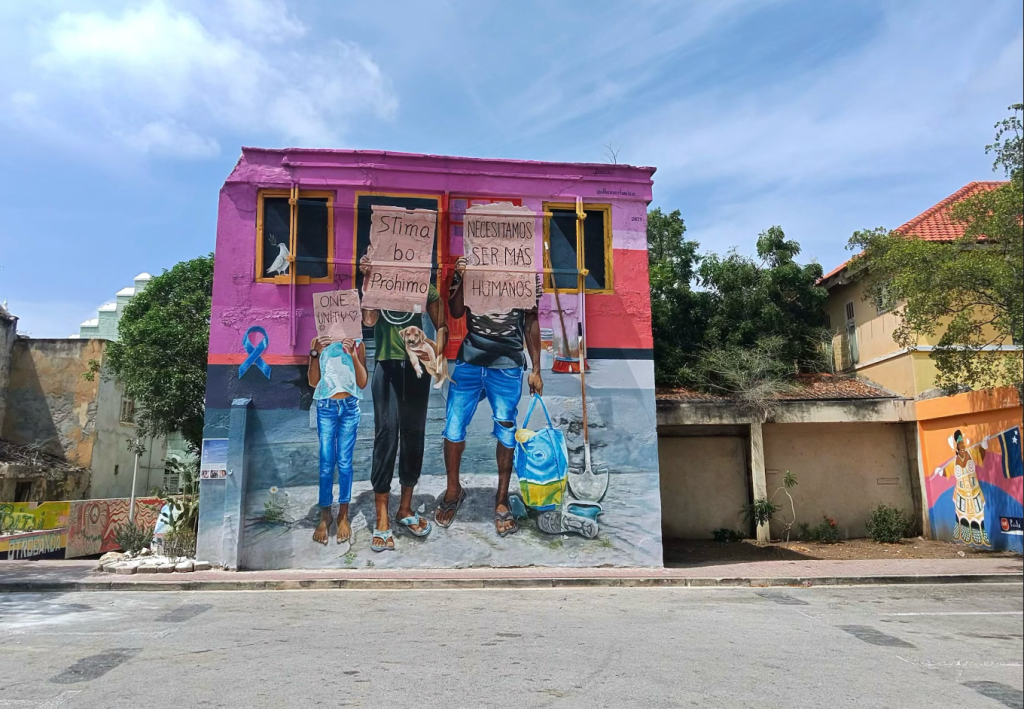
Willemstad’s vibrant docks serve as a poignant reminder of the island’s role in the Atlantic Slave Trade, where the Dutch West India Company facilitated the passage of nearly 40,000 enslaved Africans. The Kura Hulanda Museum, located on these docks, stands as a testament to this dark history.
The island’s language, Papiamentu, emerged as a creole from the languages of the enslaved Africans and their captors. It has since become an integral part of Curaçao’s identity, spoken by all its inhabitants, regardless of race or class.
My visit was initially prompted by the Soul Beach Music Festival, yet the island offered so much more than just a music event. It provided a profound connection to the Black diaspora and a sense of belonging.
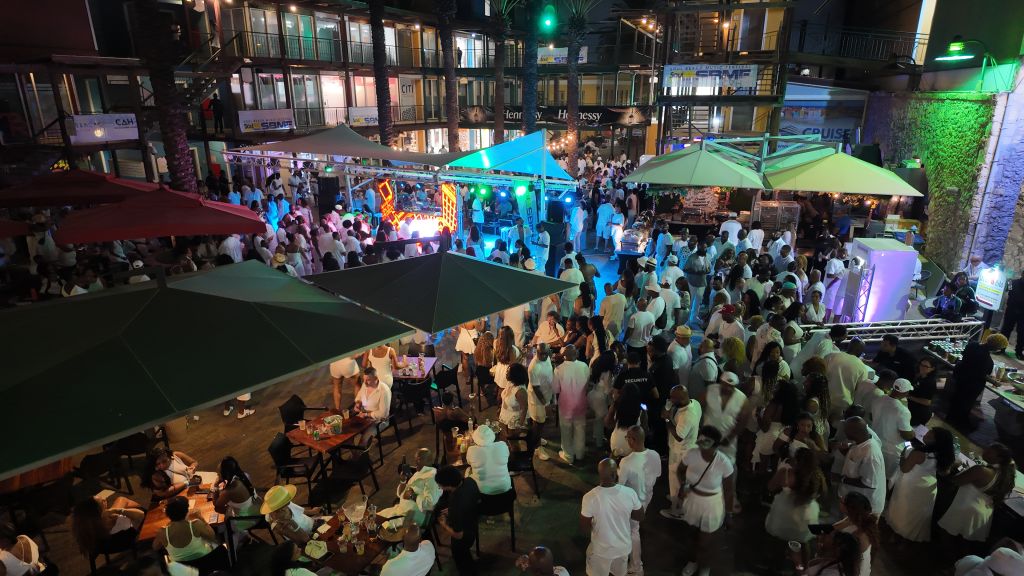
At Rif Fort’s White Party, surrounded by the celebration of Black Joy, I realized the significance of Curaçao as a sanctuary for Black Americans. It is a place where they can feel at home and reconnect with their roots.
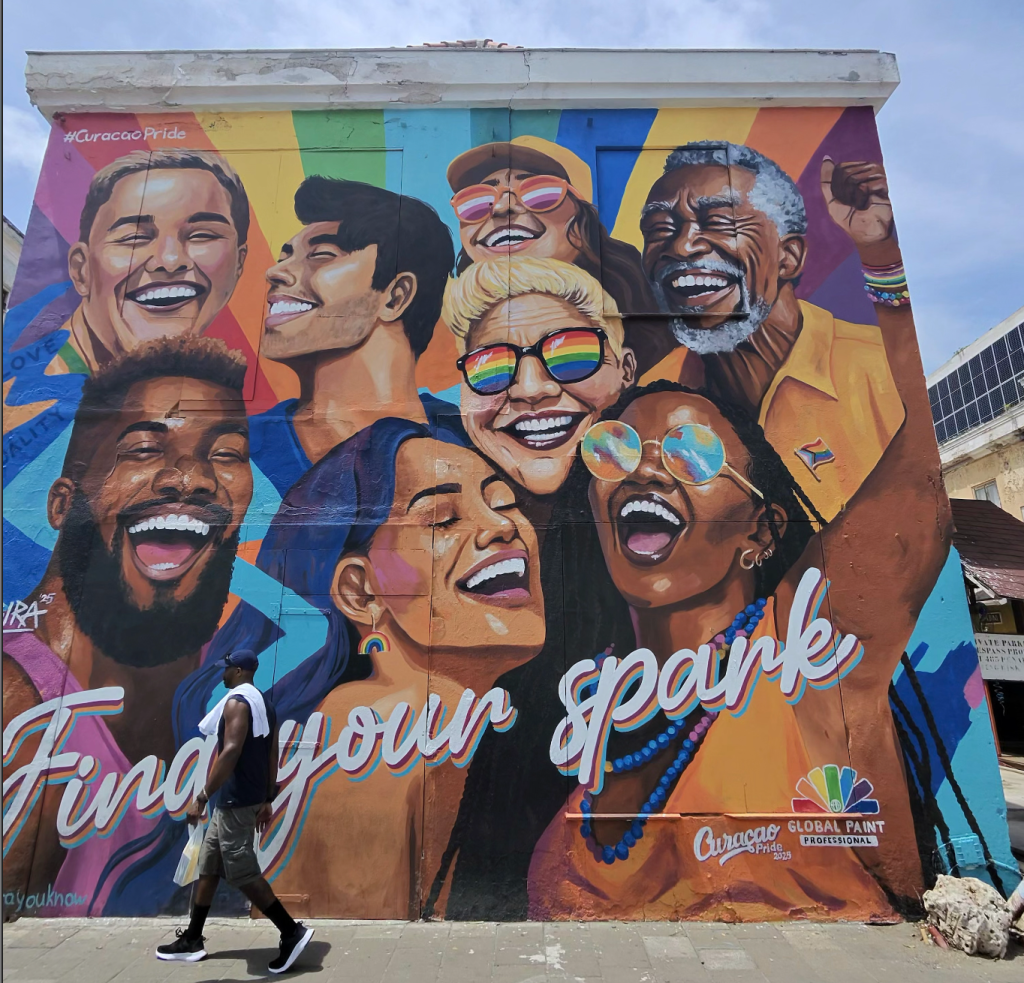
Curaçao’s embrace of Black tourism is not just an invitation to explore its beauty and history. It is a mutual exchange of love and culture, offering a respite from the weight of America’s racial burdens.
For those seeking a meaningful travel experience, Curaçao stands as a beacon of history, culture, and connection.
SEE ALSO:
Top 10 Vacation Destinations For Black Families In 2026
8 US Travel Destinations That Showcase Black History For Children And Teens