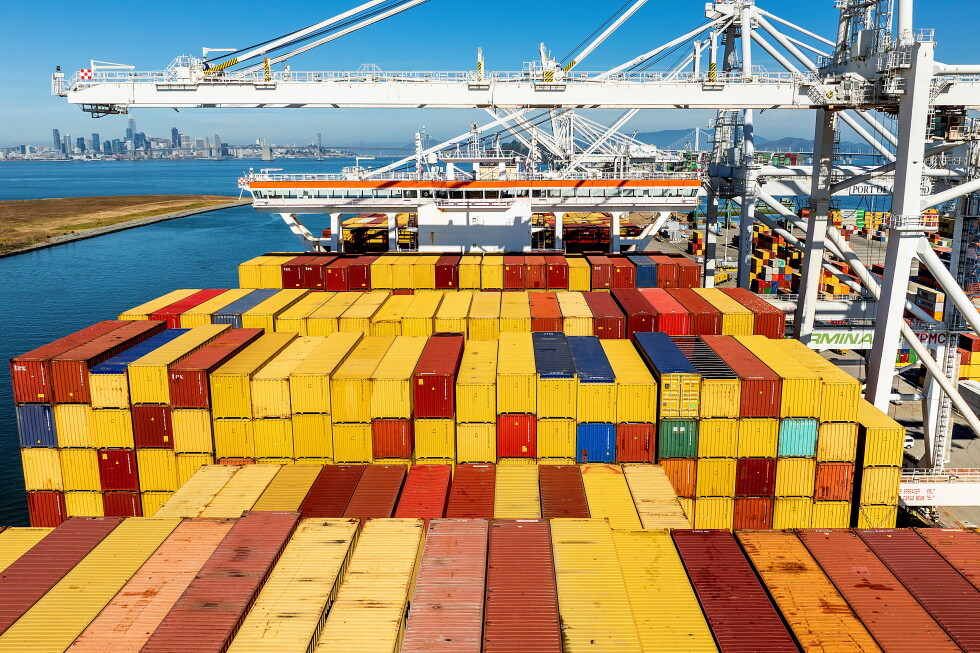
In a significant move affecting global trade, the Trump administration has implemented new tariffs on over 60 countries. This decision arises from allegations of “unjustifiable,” “unreasonable,” or “discriminatory” trade practices, as allowed under U.S. law. The tariffs, which come into play as temporary worldwide tariffs lapse, have sparked international criticism and debate.
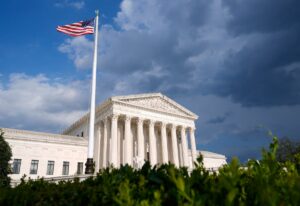
Recently expired temporary tariffs made way for this new imposition, which critics argue is less about addressing forced labor and more about maintaining tariff levels. The previous temporary tariffs had replaced those struck down by the Supreme Court earlier this year.
Section 301 and Its Implications
The tariffs are implemented under Section 301 of the Trade Act of 1974, targeting nations that allegedly fail to prohibit goods produced with forced labor. This legal route was previously utilized by President Trump during trade tensions with China and remains a tool to bypass Congress in imposing such tariffs.
Barry Appleton, a law professor, commented, “The 301s allow a permanent tariff without going to Congress to settle the dispute.” This sentiment highlights the administration’s strategic use of Section 301 to implement tariffs without legislative approval.
Controversies Surrounding Enforcement
The U.S. Trade Representative’s office conducted investigations involving consultations with the affected countries, but the details remain confidential. Despite holding public hearings and receiving over 2,100 comments, the evidence supporting claims against these countries is sparse.
Scott Lincicome from the Cato Institute remarked on the lack of substantial evidence, calling it “pretty laughable” to suggest that European countries aren’t adequately addressing forced labor. The burden remains on these nations to demonstrate compliance to U.S. standards before any tariff relief is granted.
Global Reactions and Industry Concerns
Countries affected by the tariffs have voiced strong objections. Brazil, facing a 12.5% tariff, criticized the decision as “arbitrary and unjustified.” Similarly, Australia defended its efforts against modern slavery, with Trade Minister Don Farrell affirming the country’s commitment to the issue.
Industry groups, such as the National Council of Textile Organizations (NCTO), have also expressed dissatisfaction, particularly over the exemptions granted to certain countries. NCTO CEO Kim Glas stated concerns that the exemptions would disadvantage domestic manufacturers.
Historical Context and Ongoing Challenges
The U.S. has a history of legislation aimed at curbing forced labor imports, beginning with the Tariff Act of 1930, which was later strengthened by the Trade Facilitation and Trade Enforcement Act in 2016. Recent laws like the Uyghur Forced Labor Prevention Act further target specific regions, such as China’s Xinjiang.
However, as investigations by the Associated Press have shown, goods produced with forced labor continue to enter U.S. markets, underscoring the complexity of enforcement and compliance in global supply chains.
Advocating for Systemic Change
In recent discussions, stakeholders like Jonathan Gold from the National Retail Federation emphasized the need for extensive measures to enforce import bans effectively. He called for “clear, measurable benchmarks” and assistance for countries in building enforcement capabilities.
Legal expert Kenya Davis also advocated for a “comprehensive approach” that includes transparency in investigations and support for countries to enforce labor bans, highlighting the necessity for broader international cooperation.