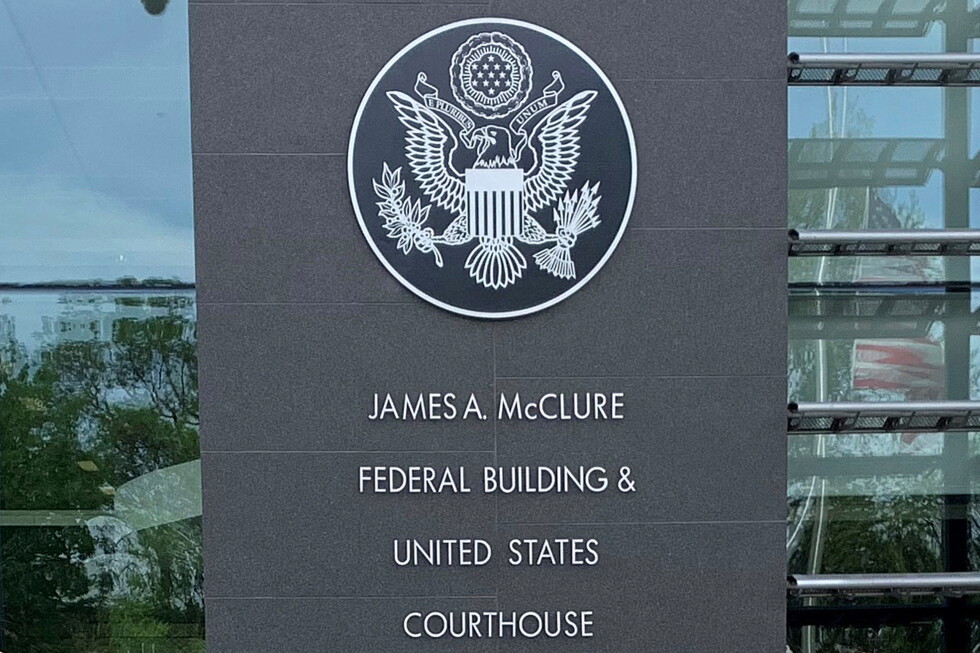
A recent federal court decision in Idaho has significant implications for medical professionals and pregnant individuals across the state. The ruling, which curtails the enforcement of strict abortion laws, emphasizes the importance of healthcare access in situations where the health of the pregnant person is at risk or self-harm is a concern.
U.S. District Judge B. Lynn Winmill has ruled that Idaho cannot penalize doctors who perform abortions under circumstances necessary to protect a pregnant person’s health or prevent self-harm. This decision targets Idaho’s “Defense of Life Act” and “Fetal Heartbeat Act,” both of which largely prohibit abortion, arguing they contravene the 14th Amendment’s due process and equal protection clauses. Under these laws, doctors found in violation could face the revocation of their medical licenses and up to five years in prison.
The state laws do allow limited exceptions, such as when an abortion is needed to prevent the death of a pregnant individual or in instances of rape or incest, provided a police report has been filed. However, Winmill’s 81-page decision argues that the state’s ability to determine which conditions warrant an abortion is unconstitutionally restrictive.
Idaho’s attorney general plans to appeal
Dr. Stacy Seyb, a specialist in maternal-fetal medicine based in Boise, challenged the law in 2024. Seyb expressed relief at the ruling, stating it allows him to provide necessary medical care without the fear of legal repercussions. “This decision means I can offer essential medical procedures within the state,” Seyb said.
Idaho Attorney General Raul Labrador, however, intends to appeal the decision, asserting, “The Supreme Court made clear that abortion policy belongs to the people and their elected representatives, not a single federal judge.”
A doctor says the ban forced patients out of state
Dr. Seyb’s lawsuit emphasized the need to offer abortions to patients facing serious health threats, including high-risk mental health conditions. He argued that when a fetus is diagnosed with a fatal condition, or in cases of inevitable miscarriage or multi-fetal pregnancies, patients should not have to seek care out of state. Despite state attorneys claiming the ban allows most health-preserving abortions, Winmill identified a gap for non-life-threatening health risks. Seyb reported referring such patients to other states, including Utah, for treatment.
Judge: Idaho can’t force women to bear permanent damage for a fetus
Winmill drew a parallel, stating that just as a mother cannot be forced to donate a kidney to her child, a pregnant individual cannot be compelled to endure significant harm for a fetus. He further argued that mental health threats should not be treated differently, calling the denial of life-saving care for mental health issues “an affront to human dignity.”
Dr. Seyb highlighted that mental health conditions were a leading cause of maternal deaths in Idaho between 2018 and 2021, according to the state’s Maternal Mortality Review Committee. Although the ruling supports abortions in specific health-threatening scenarios, it leaves room for civil lawsuits against providers by family members, with potential penalties of at least $20,000.
Abortion is on the ballot this fall in Idaho and other states
Idaho residents will vote this fall on a measure to potentially overturn the state’s abortion ban. If passed, the proposal would permit abortion until the point of fetal viability, usually around 21 weeks. Meanwhile, voters in Virginia and Nevada will address potential constitutional amendments regarding abortion rights, and Missouri will consider reinstating an abortion ban by overriding a 2024 constitutional amendment.