Legal Barriers Prevent Federal Troops at Polling Stations
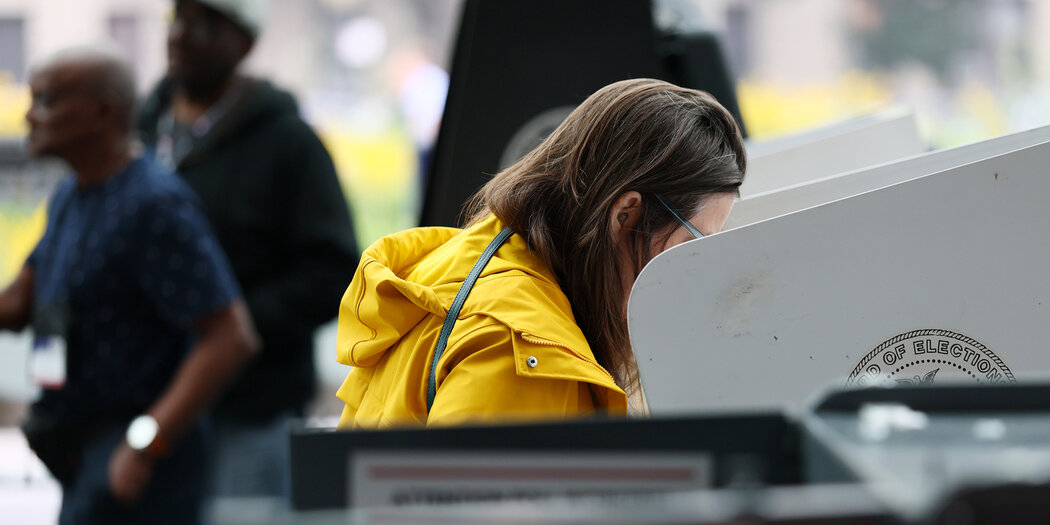
The notion of deploying federal agents to election sites has been floated by President Trump and his supporters, sparking debate about its legality. Despite concerns, both federal and state regulations are clear: the presence of federal troops or agents at polling places is prohibited.
Federal Law Prohibits Military Interference in Elections
United States law explicitly forbids the use of military personnel or armed federal law enforcement at polling stations. According to federal statutes, it is a crime for anyone in the U.S. military to influence elections. Violations can result in up to five years in prison unless such force is needed to counteract armed adversaries of the U.S. This regulation, established post-Civil War, no longer supports the use of troops to “maintain peace” at the polls, a provision removed over a century ago.
The current administration cannot deploy federal forces to polling locations under the pretext that state or local law enforcement is failing to maintain order, a justification used in other National Guard deployments.
Voter Intimidation by Federal Agents Is Illegal
Federal statutes also make it a crime for federal agents to intimidate voters. Violators could face various federal criminal charges, as outlined in these laws.
Emergency Powers Do Not Extend to Election Interference
Even a presidential declaration of a national emergency does not provide authority over elections. The Insurrection Act, the strongest tool for domestic military deployment, does not permit illegal actions such as election interference.
Despite past actions by the administration that have breached legal or constitutional limits, the five-year statute of limitations ensures potential prosecution for illegal orders given during this period.
Federal Court Remedies for Voter Intimidation
Voters have legal recourse through federal courts to counter intimidation, even if the Justice Department fails to prosecute. Under the Voting Rights Act of 1965 and other statutes, voters can seek judicial intervention against intimidation efforts.
State Laws Offer Additional Protections
State legislation strengthens voter protection by criminalizing intimidation and restricting firearms near polling areas. Exceptions exist for state law enforcement, but not always for federal agents. State prosecutors, independent of the federal government, can pursue charges against federal officials engaged in illegal acts.
Some states like California and Colorado have laws presuming intimidation if a weapon is present near election activities, applicable to federal agents.
Judicial Response to Armed Federal Deployment
Legal frameworks for election protection make the courts likely to respond swiftly against any unlawful federal deployment. Past challenges against National Guard and ICE actions, though outside election contexts, have seen judicial intervention. An armed federal presence at polling sites would likely provoke immediate legal action, with potential criminal and financial consequences for those involved.
Despite fears of federal interference, voters are encouraged to participate confidently in elections, utilizing available options like early voting, mail-in ballots, or Election Day polls. The legal system supports voter rights, ensuring a secure and smooth voting process.
For further reading, visit the Explainers collection.