Georgia’s New Redistricting Efforts Spark Controversy Amid Voting Rights Concerns
As debates over voting rights intensify, Georgia has become the latest southern state to announce plans for redrawing its congressional map. This decision follows a significant Supreme Court ruling that many fear could undermine the Voting Rights Act’s protections.
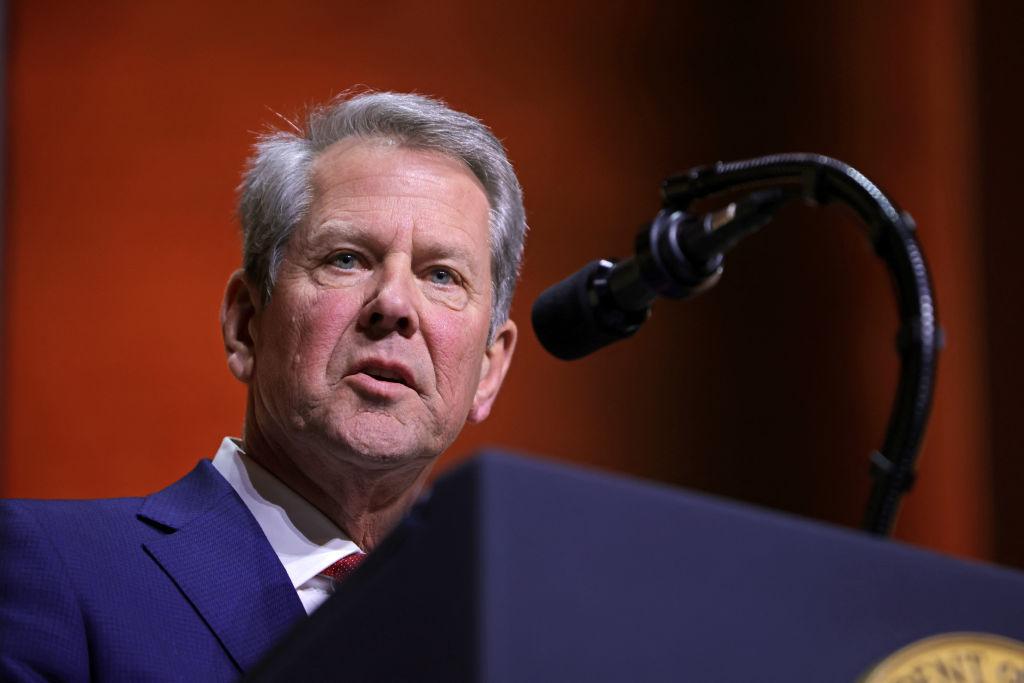
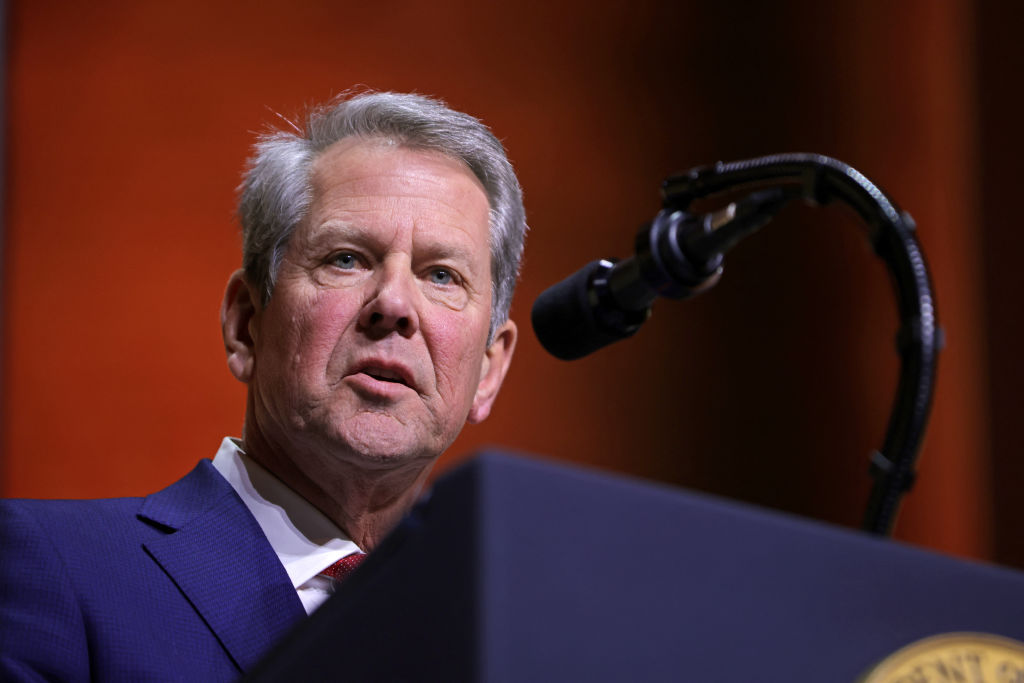
Governor Brian Kemp of Georgia recently announced a special legislative session dedicated to redistricting, a move prompted by the Supreme Court’s decision in Callais v. Louisiana. This ruling has effectively nullified parts of the Voting Rights Act. Kemp expressed support for the decision, stating it provides an opportunity for Georgia to create maps that better reflect the electorate’s will, free from federal intervention. Yet, critics argue these changes could skew representation towards white voters.
The Callais ruling has led several southern states to begin redistricting efforts, often at the expense of majority-Black districts. Tennessee has already enacted a map eliminating its only majority-Black district, while Alabama is considering using older, previously deemed discriminatory maps. Louisiana has canceled a primary election to pursue redistricting that would reduce its majority-Black districts.
Distinctively, Georgia’s redistricting plan is aimed at the 2028 election cycle. According to a CBS News report, the special session will address two primary issues: redistricting and adjustments to the state election code effective from July 1.
Charlie Bailey, Democratic Party of Georgia chair, has labeled the redistricting initiative as a blatant attempt to diminish Black voter influence. He cautions that such efforts will likely motivate increased voter turnout in favor of Democrats. Political analysts from the New York Times speculate that due to demographic shifts in areas like Atlanta’s suburbs, Georgia Republicans may face challenges in drawing an aggressively gerrymandered map akin to those seen in other states.
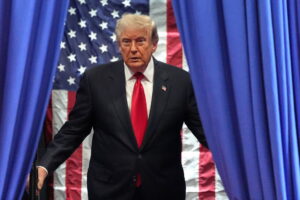
Given Georgia’s status as a swing state, any redistricting efforts could have significant political implications. With President Donald Trump’s current low approval ratings, Republicans might unintentionally energize Democratic voter turnout, affecting upcoming elections.
SEE ALSO:
- Gov. Brian Kemp’s New Law Doesn’t Apply To 154 Georgia Counties. Only The Black Ones
- Georgia Law Targeting Black Women Electeds Awaits Governor’s Veto