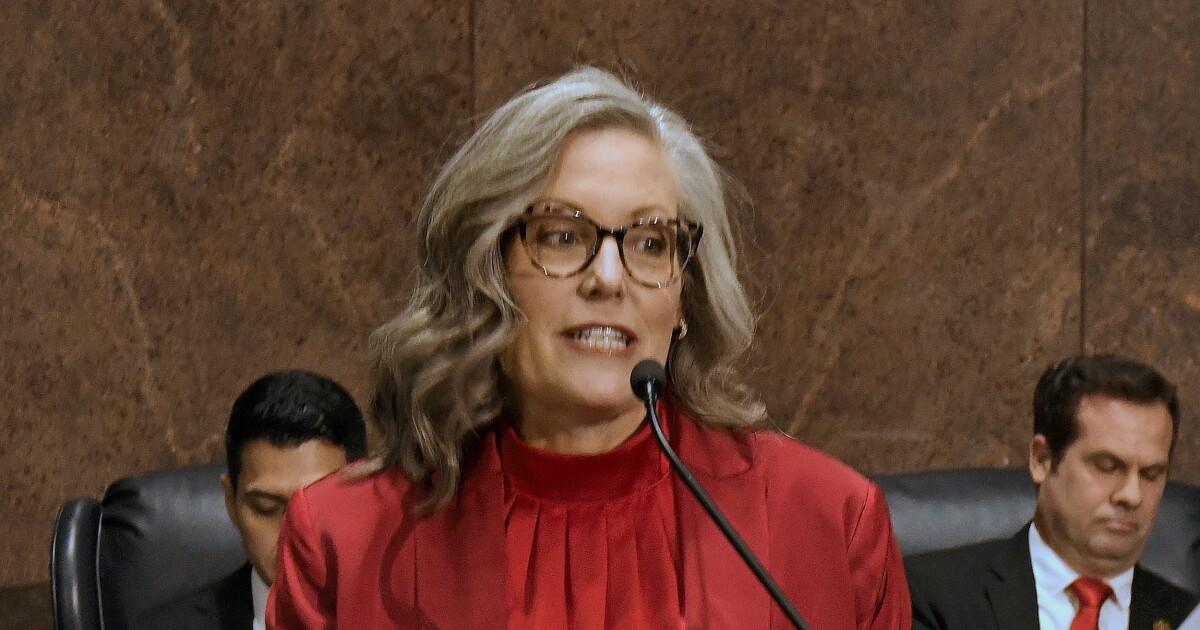
As Arizona enters a new fiscal year, Governor Katie Hobbs has introduced a tax cut plan aimed at providing financial relief to middle-class residents. However, this proposal has sparked a debate with Republican lawmakers, who argue for broader cuts.
Governor Hobbs, in her State of the State address, advocated for tax reductions inspired by former President Donald Trump’s tax reforms. Her plan includes increasing the standard deduction and removing taxes on tipped wages. “We can put more money in the pockets of Arizona families — money that will help them put food on the table, care for their children, and pay their utility bills,” Hobbs emphasized.
Republicans, who hold the majority in the state Legislature, have proposed a more extensive adoption of federal tax cuts, including accelerated depreciation for business equipment, which they argue favors the wealthy. Sen. T.J. Shope criticized Hobbs’ approach, stating, “It is a tax cut for the working class,” but accused her plan of being a “giveaway to millionaires and billionaires.”
The Cost
Budget analysts project the Republican tax proposal could reduce state revenues by $343 million next year, reaching over $1 billion in three years. In contrast, Hobbs’ plan is estimated to cost $252 million next year. The governor has expressed willingness to negotiate further tax cuts, provided they occur within broader budget discussions.
Hobbs has indicated she will veto any Republican tax legislation lacking a clear funding strategy. Republicans aim to expedite their proposal and present it to the governor. “I think she’d be wise to sign it and get that issue off the table,” Shope suggested.
Democrats, aligned with Hobbs, support her tax cut package but acknowledge the fiscal challenges of maintaining state services with reduced revenue. Senate Minority Leader Priya Sundareshan emphasized the need for a financially sound plan, especially as economic indicators suggest a slowing job market.
Affordability
Hobbs’ tax cuts are part of a broader initiative to address the high cost of living in Arizona. Her agenda includes supporting affordable housing projects and expanding utility bill assistance programs through new funding mechanisms.
One proposal involves a $3.50 per night fee on short-term rentals to fund these efforts, a move opposed by the rental industry. “This proposal is a new tax on over 1.2 million Arizonans who stayed in a short-term rental in Arizona last year,” Airbnb’s Lauren Bouton cautioned, highlighting potential impacts on travel costs and rental income.
Other Priorities
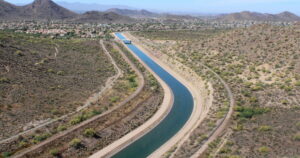
Addressing Arizona’s water challenges, Hobbs proposed the establishment of an Active Management Area in La Paz County’s Ranegras Plain Basin to regulate groundwater use. Both parties recognize the need for rural water solutions, yet bipartisan consensus remains elusive.
Hobbs also suggested imposing a fee on data centers for water usage, with proceeds allocated to a Colorado River Protection Fund. Her budget proposal includes a $30 million contribution to this fund to mitigate anticipated water supply reductions.