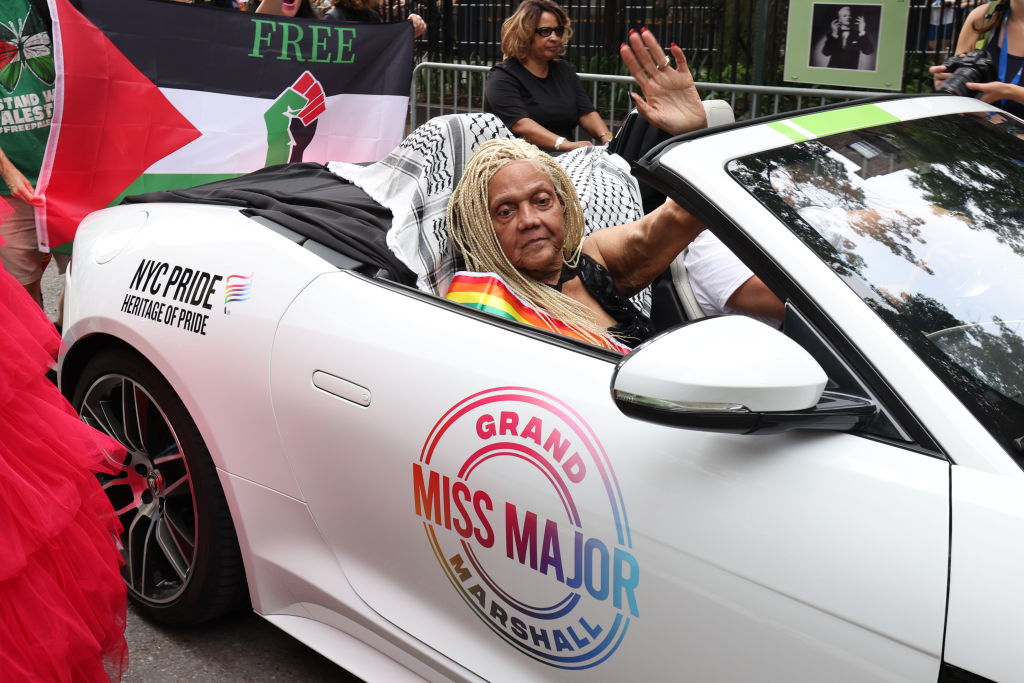
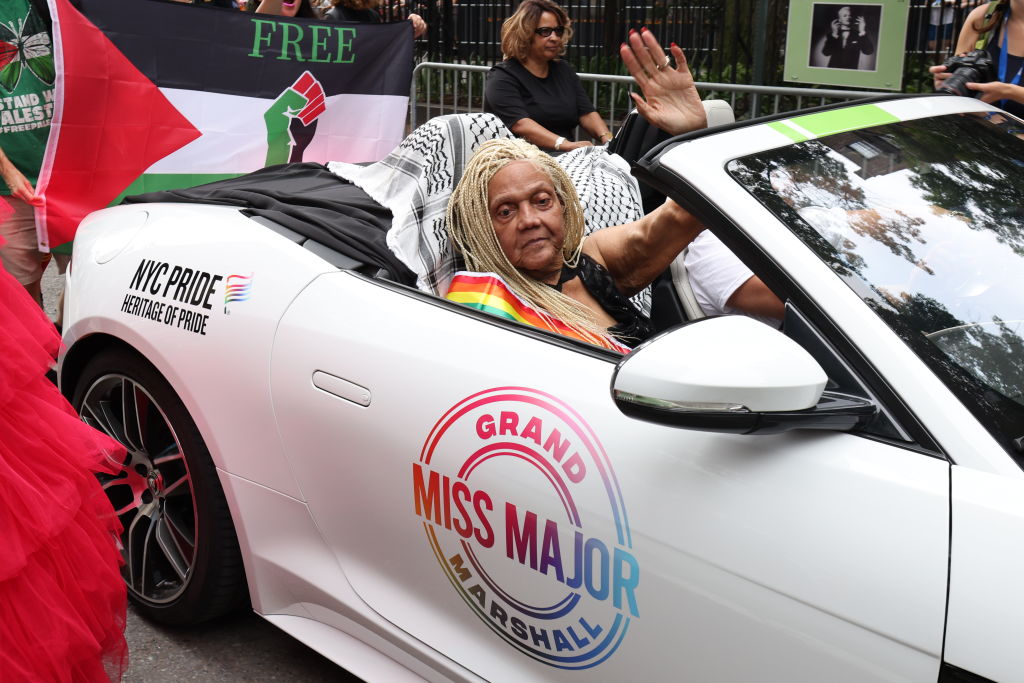
As the aircraft descends, the anticipation of Pride weekend in Atlanta fills the air, yet an underlying sorrow lingers. An emotional journey unfolds as I rush back from Little Rock, Arkansas, to meet with allies and friends in the Human Rights Campaign, including beloved sisters Monroe Alise and Toni Bryce, to kickstart our latest campaign.
Amidst the excitement, a poignant realization takes hold. The recent farewell to Miss Major, a luminary in the fight for LGBTQ+ rights, weighs heavily. Her influence is the bedrock of every stride we take, a legacy that has paved paths for countless others.
Returning for Pride, a celebration rooted in Miss Major’s trailblazing spirit, amplifies the loss yet honors her enduring impact. Her presence was more than historic; it was foundational, akin to the leadership of civil rights titans.
Reflecting on a Legacy
Miss Major’s transition marks the end of an era. Known to many as a trans icon and Stonewall veteran, her role transcended labels. She was a beacon in Black leadership, a revolutionary mother akin to Dr. King and John Lewis, who championed freedom against a world not designed for her.
At 7:02 PM EST, a simple yet profound message from Muriel Tarver, Executive Director of The House of GG, confirmed her passing: “She’s gone, Lady.” This moment sparked a shared mourning within the Black, queer, and trans communities, reflecting on a life dedicated to fighting for equality.
More Than a Queer Icon
Miss Major’s influence stretched beyond queer rights; she was a pivotal figure in Black resistance. Her life intersected with key movements, from civil rights to AIDS activism. Her leadership was evident in her nurturing approach to revolution, much like the spiritual guidance provided by Dr. King.
Her story is one of resilience. Expelled from college for living her truth, she faced systemic challenges, including incarceration. Yet she emerged as a leader, organizing within prisons and safeguarding her community post-Stonewall.
Building a Movement
Among her numerous contributions, Miss Major’s involvement in the Transgender Gender Variant & Intersex Justice Project (TGIJP) stands out. She exemplified action over theory, as exemplified when she defied agency leadership in San Francisco to create space for Black trans women, embodying her refusal to wait for permission to do what’s right.
Her determination inspired many, myself included, as we strive to emulate her clarity and commitment to advancing Black trans women’s rights and visibility.
A Blueprint for Future Generations
Miss Major’s legacy is woven into the very fabric of our culture. Her influence is seen in the achievements of artists and leaders such as Laverne Cox and TS Madison. Her work laid the groundwork for the visibility and respect these figures enjoy today.
Her passing challenges us to continue her mission, to ensure Black trans lives are recognized as integral to our collective history and future. As a community, we must carry forward her blueprint of love, care, and revolutionary spirit.
The Second Revolution
The revolution Miss Major championed was not just about visibility; it was about creating safety and sovereignty. Her vision extends beyond survival, urging us to build networks of care and mutual aid that protect and uplift Black trans lives.
As we navigate this new chapter, Miss Major’s teachings light the way. Her life’s work encourages us to embrace the second revolution, where love and protection are paramount, ensuring the safety and freedom of all marginalized communities.
In honoring her legacy, we are tasked with continuing her fight, transforming grief into action. Miss Major’s transition is not an end but a call to expand her light, ensuring future generations thrive in the world she helped shape.
Dominique Morgan, Sexual Health Expert, Adolescent Health Educator and Advocate, is an award-winning artist, philanthropist, and the Founder & CEO of Starks & Whitiker Consulting. Her work has been featured in Forbes, MTV, Essence, and more. Follow her on TikTok @thedominiquemorgan.
SEE ALSO: