When the federal government spends billions of dollars on advanced military technology, American citizens and their elected representatives have a stake in understanding how those decisions get made — and whether the systems being purchased actually deliver on their promises. A new radar system now attracting multi-service interest offers a window into how defense procurement accountability works in practice, and what it means when taxpayer-funded technology performs as advertised.
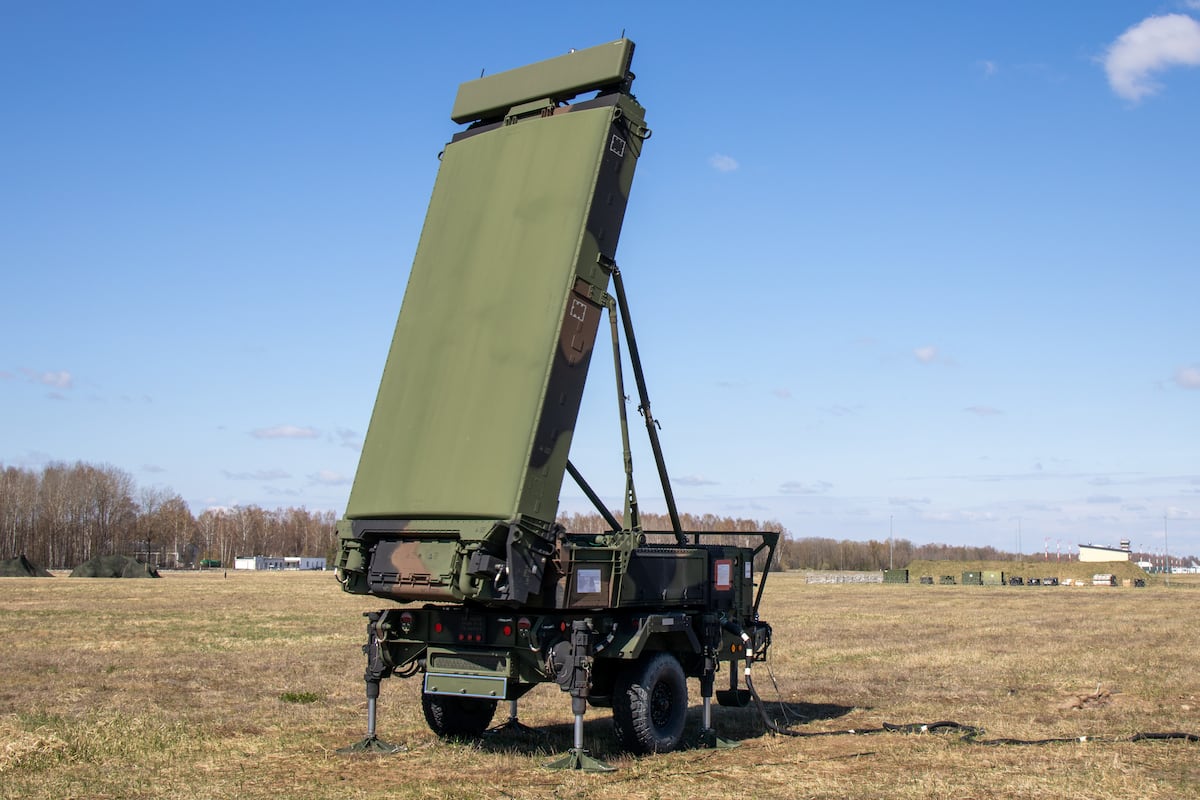
Northrop Grumman’s AN/TPS-80 Ground/Air Task Oriented Radar — known as G/ATOR — has drawn strong praise from Marine Corps leadership and is now attracting interest from the U.S. Army. With 43 of 60 ordered systems already delivered, the program represents a significant public investment in air defense technology — one that defense officials say is proving its value in real-world deployments.
What G/ATOR Does and Why It Matters
G/ATOR was designed to replace five older radar systems and defend against a wide range of airborne threats, particularly in the Pacific region. Weighing 9,000 pounds, it is light enough to be transported by C-130 Hercules or MV-22 Osprey aircraft. A four-person crew can set it up in under ten minutes. Last year, a software upgrade extended its range and improved its ability to distinguish friendly aircraft from hostile ones — a critical capability in active conflict zones.
The system operates using a 360-degree active electronically scanned array radar and can identify the launch points of hostile fire ranging from mortars to artillery. It also functions as a ground-based air traffic control manager. In a call with reporters on October 7, Northrop Director of Mission Systems Paul Weaver described how the system has been continuously refined based on user feedback.
“We’ve been making modifications to the system based on customer input for the last four or five years. We’ve made some hardware modifications that extended its range, and we’re constantly making software improvements to adapt to the specific threat environment, whether that be [unmanned aerial systems], from the smallest to the largest, and other potential threats that they face.”
Proven Performance Driving Demand
The case for expanding G/ATOR procurement is built on documented performance — the kind of accountability that defense oversight advocates say should drive all major weapons acquisitions. Brig. Gen. Christopher Haar, now commander of the 3rd Marine Logistics Group, spoke candidly about what the Marine Corps learned from fielding the system, which began in 2018.
“We learned that it’s much more capable than we thought. And now there’s a demand for us to get that in more units, and to potentially increase the number of those systems that we buy.”
That kind of field-validated assessment is significant. Rather than procurement decisions driven purely by contractor lobbying or political considerations, the G/ATOR expansion is being propelled by operational results — a transparency benchmark that elected overseers and the public can evaluate.
Weaver confirmed that demand in theater is high and stems directly from battlefield performance. He also described a strategic advantage tied to how multiple units can be deployed together.
“When you put a number of these systems in the field, operating in a complementary way, you can stay in constant movement and complicate the adversary’s target cycle. That is of interest to every service that’s currently in conflict right now. So, to the level that we’re engaged with the Army and the Air Force, it all comes back to its current performance and the agility that this advanced platform potentially offers.”
Multi-Service Interest and the Question of Oversight
Northrop is now actively engaged at the headquarters level with both the Marine Corps and the Air Force on G/ATOR employment strategies and has begun conversations with the Army as well. Five of the 60 ordered systems are designated for the Air Force, and one is allocated to the Navy for test and evaluation. Any expansion to Army acquisition would represent a new chapter in the program — and a new layer of congressional and public scrutiny.
That scrutiny matters. When a defense system moves from a single-service program to a multi-service platform, the procurement dollars grow substantially. Citizens — through their elected representatives — have both the right and the responsibility to ask whether each new acquisition is justified by performance data, not just by contractor relationships or inter-service competition.
The War Zone reported last month that the Marine Corps’ Pacific-based 31st Marine Expeditionary Unit used its Expeditionary Advanced Base Operations concept in combat for the first time during operations tied to the Operation Epic Fury conflict with Iran. Weaver suggested the current conflict is validating G/ATOR’s strengths, particularly in identifying drones and cruise missiles in cluttered environments.
“It’s proving in recent conflicts and around the globe to perform exceptionally well in clutter, which makes it very helpful in identifying all classes of UASs and cruise missiles. It’s not only providing awareness of what’s in the airspace around it at all altitudes. It provides weapons quality data and that performance, which means the warfighter can not only see it but also connect it to any available countermeasure that it has, whether that be kinetic or non-kinetic, and address it appropriately.”
What Accountability in Defense Procurement Looks Like
The G/ATOR story illustrates a broader principle: defense procurement works best when it is transparent, performance-driven, and subject to informed oversight. The system entered Marine Corps service in 2018 with a defined mission. Years of field use generated honest feedback. That feedback drove hardware and software improvements. And the result is a system that commanders are requesting in greater numbers — not because of marketing, but because it works.
For American citizens tracking how their tax dollars are spent on national security, that kind of accountability trail is exactly what responsible government spending should look like. As Army interest grows and the program’s footprint potentially expands, the question for Congress and the public will be whether that same rigor applies to each new acquisition decision.
Military families and veterans have a direct stake in these decisions. Related coverage worth following includes the Army’s move to address parents’ blocked access to teen medical records, the announced 2027 cost-of-living increase for retirees and veterans, an important reminder for service members about voting by absentee ballot ahead of the November 3 election, renovation work on century-old homes at Fort Bragg, and a planned DEERS outage that could affect Tricare beneficiaries. Each of these issues reflects the same principle at the heart of the G/ATOR story: when government institutions are transparent and accountable, the people they serve are better protected.