Execution in Japan Sparks Debate on Capital Punishment Practices
In a significant development, Japan carried out its first execution under Prime Minister Sanae Takaichi‘s government. The execution, which involved a man convicted for a deadly arson attack in 2009, has reignited discussions surrounding the country’s use of the death penalty.
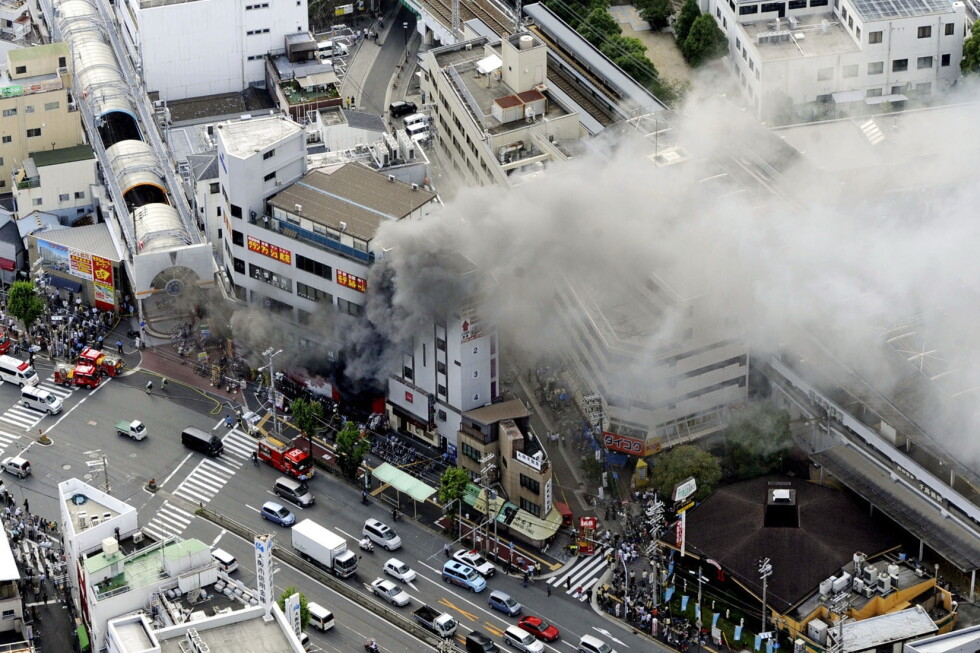
The individual, Sunao Takami, was executed for a heinous crime committed in Osaka, where he set a pachinko parlor ablaze. Using gasoline and a lit match, Takami’s actions resulted in the deaths of five people and injuries to ten others. Justice Minister Hiroshi Hiraguchi emphasized the severity of the crime, stating, “It caused extremely serious outcomes and dealt a major shock and fear to the society.”
Takami, who was sentenced to death in 2011 by the Osaka District Court, had his appeals dismissed by the Supreme Court in 2016. His execution marks a notable moment as Japan continues to face scrutiny over its capital punishment policies, especially when compared to global trends where many countries have abolished the practice.
Currently, Japan and the United States stand as the only two nations within the Group of Seven industrialized countries that still implement the death penalty. The recent execution has sparked renewed calls for more transparency and discussions on abolishing capital punishment, particularly after the 2024 acquittal of Iwao Hakamada, the world’s longest-serving death-row inmate.
In Japan, executions are conducted with a significant degree of secrecy, as prisoners are informed of their execution only on the morning it is scheduled to occur. Although Japan has started to release some details about executed inmates and their crimes since 2007, the extent of disclosed information remains limited. Justice Minister Hiraguchi supports the current practice, arguing that further disclosures could affect the mental health of inmates on death row.
Hiraguchi also defended the method of execution, citing Supreme Court decisions that consider hanging as no more inhumane than other methods like lethal injection or electrocution. Surveys reveal that a large portion of the Japanese population views the death penalty as a necessary component of the justice system. Hiraguchi stated that any decision to maintain or remove capital punishment should be made with careful deliberation and public discourse.
The timing of Takami’s execution during a parliamentary recess has drawn criticism, with some suggesting it was an attempt to bypass public discussion. Hiraguchi dismissed these allegations, asserting that there was no intention to avoid debate.
Japan’s crime rate remains relatively low; however, incidents of mass violence have occurred, including the high-profile execution in 2025 of the “Twitter killer”, who was responsible for nine murders.