Federal Judge Allows Trump’s Election Executive Order to Proceed
In a significant legal decision, a federal judge has allowed President Donald Trump’s executive order, which creates a federal voter list and restricts mail voting, to remain in effect. This decision could potentially bring substantial changes to the election process in the United States just ahead of the upcoming midterm elections.
U.S. District Judge Carl Nichols, appointed by Trump, ruled late Wednesday against a request from Democrats and civil rights organizations. They had argued that the executive order might be unconstitutional, asserting that the authority to establish election rules lies with the states and Congress, rather than the president. Judge Nichols sided with the Trump administration’s argument that it was premature to halt the order as it has not been implemented yet. Read more.
The ruling leaves open the possibility for future legal challenges once the Trump administration begins to enforce the order. Another lawsuit against the executive order is currently in progress in Boston. Despite the urgency, election changes are not anticipated during primary elections scheduled for next month.
“The Court recognizes that the Postal Service may ultimately issue a final rule that directly affects Plaintiffs or their members, or that the Government may develop State Citizenship Lists that omit specific individuals due to particularized flaws,” Nichols stated. “Plaintiffs may, of course, renew their motions if and when those future actions occur. Until then, however, Plaintiffs cannot show that preliminary injunctive relief is warranted.”
The Trump administration has yet to create the official lists of eligible voters. Those who initially sought to pause the order, like Juan Proaño, CEO of the League of United Latin American Citizens, expressed readiness to challenge the administration’s actions if they proceed in issuing such lists. “We are ready to resume the fight if and when the administration takes those next steps,” Proaño declared.
Democratic organizations involved in the legal challenge shared a joint statement, expressing confidence in their eventual success against the executive order: “We are confident we will prevail in the end when this illegal and completely unworkable executive order is fully adjudicated.” The White House has yet to comment on the ruling.
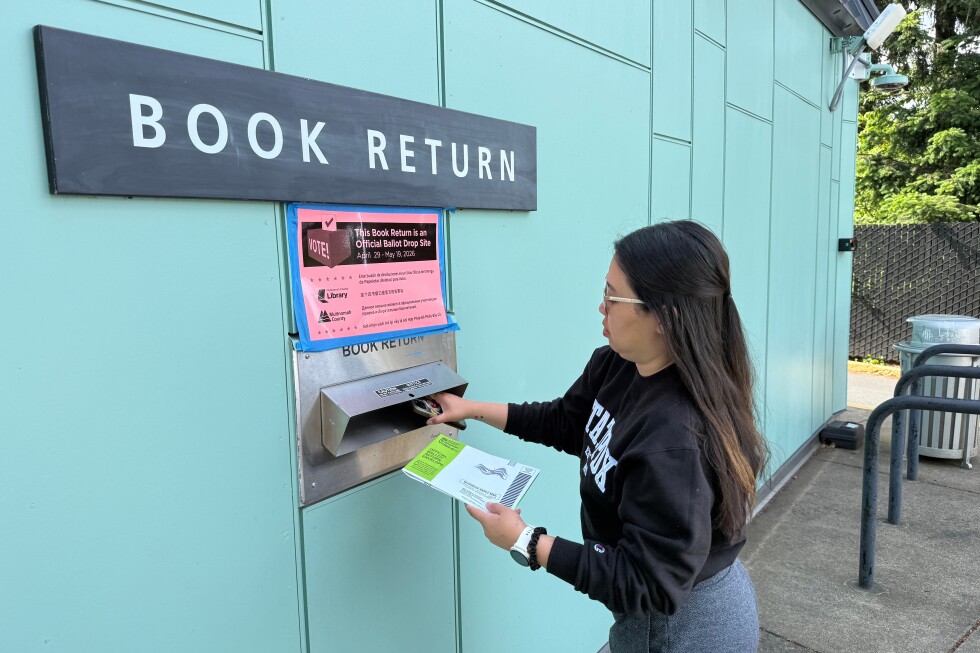
The executive order was signed by Trump in March following the stalling of a congressional bill he had supported to reform voting processes. This order mandates the federal government to compile a list of eligible voters and instructs the U.S. Postal Service to mail ballots exclusively to those listed. However, election officials have warned of potential abuse and complications, and the postal union has objected to the concept of mail carriers overseeing ballots. Read more.
Since his defeat in the 2020 presidential election to Joe Biden, Trump has persistently claimed, without evidence, that mail voting is susceptible to fraud. This has led to a federal investigation into that election, despite multiple audits and investigations, including those conducted by Republicans, confirming the absence of widespread fraud. Read more.
As the midterm elections approach, Democrats and civil rights groups urged Judge Nichols to issue a restraining order, emphasizing the need for immediate action during the primary season. This executive order is Trump’s second attempt to revise election laws. His initial executive order, issued months into his second term, faced multiple blocks from federal judges. That order aimed to implement documentary proof of citizenship for voter registration, among other modifications. Read more.