In a pivotal legal decision, a federal judge has ruled against a Virginia county school board for its decision to restore Confederate names to local schools, citing discrimination against Black students. This decision demands a return to neutrality and fairness in school naming conventions.
Legal Ruling and Implications
Judge Michael F. Urbanski of the U.S. District Court of Virginia found that the Shenandoah County School Board’s actions violated the 14th Amendment’s equal protection clause, which prohibits racial discrimination. The ruling also highlighted a breach of the Equal Educational Opportunities Act. The schools in question had been renamed to honor Confederate officers, a move Urbanski described as reviving “vestiges of segregation.”
“The Confederate names were restored with complete awareness of their historic legacy and ongoing discriminatory impact,” Urbanski commented. He emphasized that schools should be environments free from racial discrimination, unlike memorials which may honor such figures.
NAACP’s Response and Historical Context
The Virginia NAACP, which initiated the lawsuit, celebrated the decision as a victory for students. “For decades, the practice of honoring Confederate leaders in Virginia schools has been steeped in a history of racial discrimination,” stated Rev. Cozy Bailey, the organization’s president. The lawsuit was filed in June 2024, representing six students and their families, following a 5-1 school board vote to revert the names of Mountain View High School to Stonewall Jackson High School and Honey Run Elementary to Ashby-Lee Elementary.
The decision to restore these names came amid national protests against racial injustice, reversing a prior decision made in 2020. The NAACP argued that such names force Black students to endorse symbols associated with the Confederacy and modern White supremacist movements.
Wider Political Context
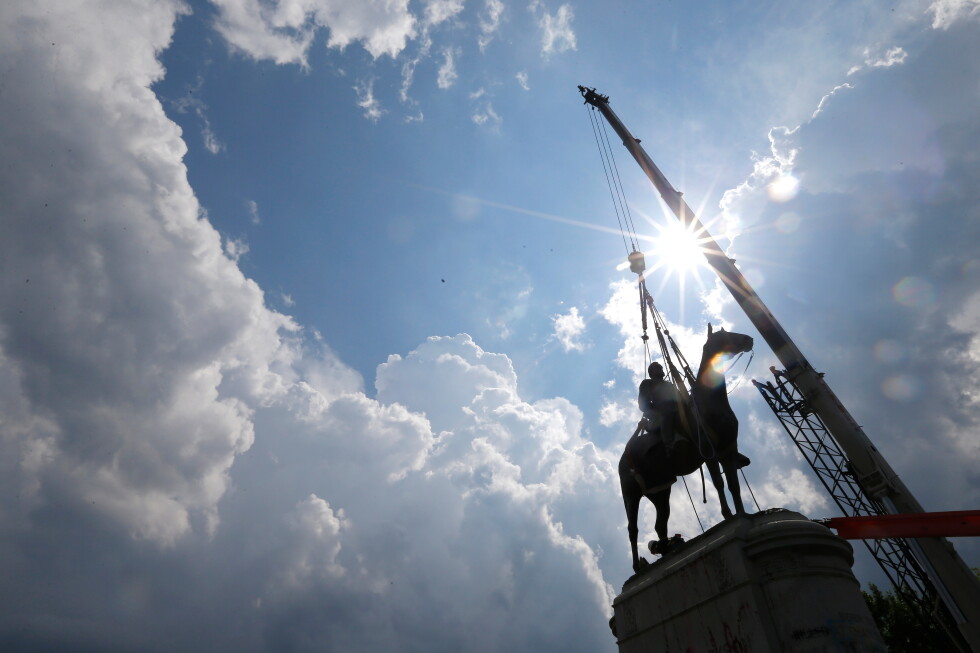
This case is part of a broader national discussion on Confederate symbols. Under the administration of former President Donald Trump, some Confederate statues, previously removed, have been restored as part of efforts to influence how American history is taught and commemorated in public spaces. More details on these efforts can be found here and here.
Meanwhile, Shenandoah County board members who voted for the restoration claimed they were honoring community sentiment, arguing that the 2020 decision to remove the names ignored public opinion. Nonetheless, the court has ordered the board to select new names “on a racially nondiscriminatory basis with all deliberate speed.”
Efforts to reach Shenandoah County’s attorney, Jim Guynn, for comment have been unsuccessful. The legal proceedings were supported by the Washington Lawyers’ Committee for Civil Rights and Urban Affairs, with deputy legal director Kaitlin Banner affirming, “The court acknowledged that such names inflict real, racially disproportionate harm.”