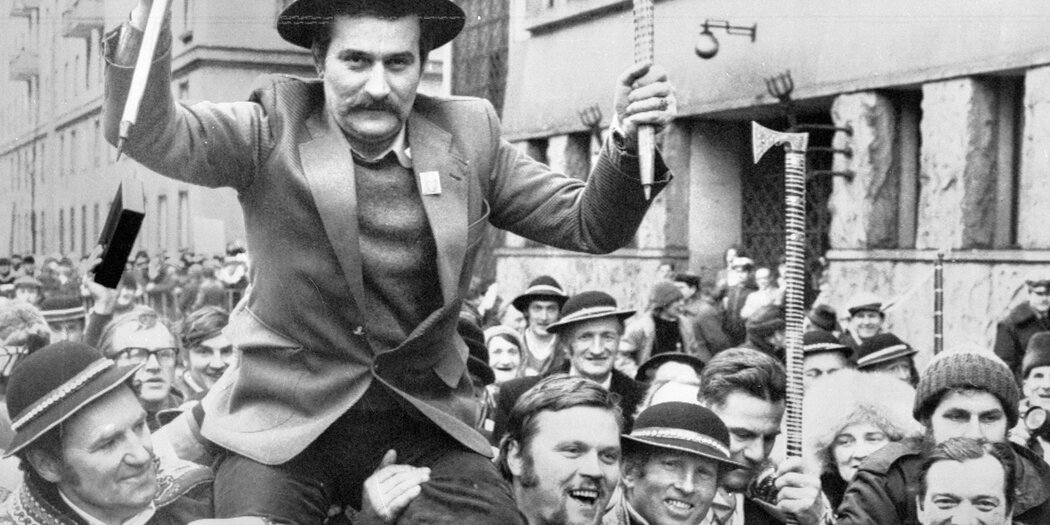
In a captivating appearance at the Jacob Javits Convention Center in Manhattan, Lech Walesa, the iconic figure behind Poland’s Solidarity movement, shared insights that resonate with today’s global political climate. Despite spearheading a revolution over 40 years ago, Walesa remains engaged in the ongoing battle for democracy, drawing parallels between his past experiences and current challenges faced by nations like the United States.
Back in August 1980, Walesa, then a young electrician, scaled a security fence at the Lenin Shipyard in Gdansk, sparking a strike that birthed the Solidarity labor union. This movement rapidly expanded its reach, pulling in diverse groups such as teachers, lawyers, and priests, becoming a formidable civic force. Although the Polish government imposed martial law and arrested Walesa, by 1989, Solidarity had peacefully overthrown Communism in Poland, setting off a domino effect throughout Eastern Europe. For his efforts, Walesa later became Poland’s president and was honored with the Nobel Peace Prize.
During his speech, Walesa addressed the retreat from democracy observed both in Poland and the United States, highlighting the collaborative efforts of Poland’s center-right and center-left factions to reclaim governance from populists. He underscored the importance of not just opposing authoritarianism but also having a clear vision for the future.
Walesa’s remarks included unexpected praise, noting that former U.S. President Bill Clinton, not Ronald Reagan, was instrumental in securing Poland’s entry into NATO and the European Union. Suggesting Clinton deserved a Nobel Peace Prize, he credited Clinton with preventing Poland from facing a fate similar to Ukraine’s.
He advocated for broad coalitions to counter authoritarianism, drawing lessons from the past and applying them to modern contexts. Walesa also proposed democratic reforms, such as limiting presidents to two terms, as a means to prevent power consolidation, citing Russian President Vladimir Putin’s extended tenure as a cautionary example.
Walesa emphasized the necessity of addressing corruption, pointing out that transparency remains crucial. His comments align with findings from a CBS/YouGov poll indicating that Americans view corruption and the erosion of democracy as pressing threats.
Amidst significant political turmoil, marked by government shutdowns and potential threats to voting rights, Walesa’s words serve as a reminder of the power of collective action. The recent No Kings rallies exemplify this, demonstrating a patriotic spirit and the potential to disrupt the status quo.
Looking ahead, Walesa calls for the development of a comprehensive reform agenda. This includes overturning decisions like Citizens United, ensuring voting rights, imposing Supreme Court term limits, and more. The aim is to restore governmental function and independence while addressing broader issues like environmental protection and healthcare access.
Reflecting on the origins of the Gdansk strike, Walesa reminds us that significant change often begins with the realization that the current system is failing the people. No need for dramatic gestures; the foundation for a new solidarity movement can be laid through thoughtful action and a shared commitment to progress.