In a significant move for transparency and immigrant rights, the Plymouth County Sheriff’s Office has been ordered by a Massachusetts court to release anonymized health records of immigrant detainees. This decision, handed down by Judge James Budreau, marks a pivotal moment in the ongoing debate over public access to records concerning detainees.
Issued on Wednesday, the court order arrives a month after legal debates between the sheriff’s attorneys and the American Civil Liberties Union (ACLU) of Massachusetts took place in Suffolk County Superior Court. ACLU managing attorney Dan McFadden emphasized the ruling’s importance, stating, “(The Sheriff’s Office) cannot exempt itself from public records law simply by contract with ICE.” Meanwhile, Karen Barry, a spokesperson for the Sheriff’s Office, confirmed their compliance with the ruling, acknowledging the case’s novelty and appreciating the court’s guidance.
The legal battle began when the ACLU filed a lawsuit seeking records from the Plymouth County Correctional Facility, the sole immigrant detention center in Massachusetts. The lawsuit followed the Sheriff’s Office’s refusal to comply with a public records request, arguing that federal law pre-empted state law, thus preventing the release of the records.
Judge Budreau, however, dismissed these claims, clarifying that the matter at hand involved state documentation related to the health and safety oversight of individuals held in state facilities. He stated, “The state law at issue is not, however, an attempt by the Commonwealth to regulate the documentation of immigrants.”
The July Hearing
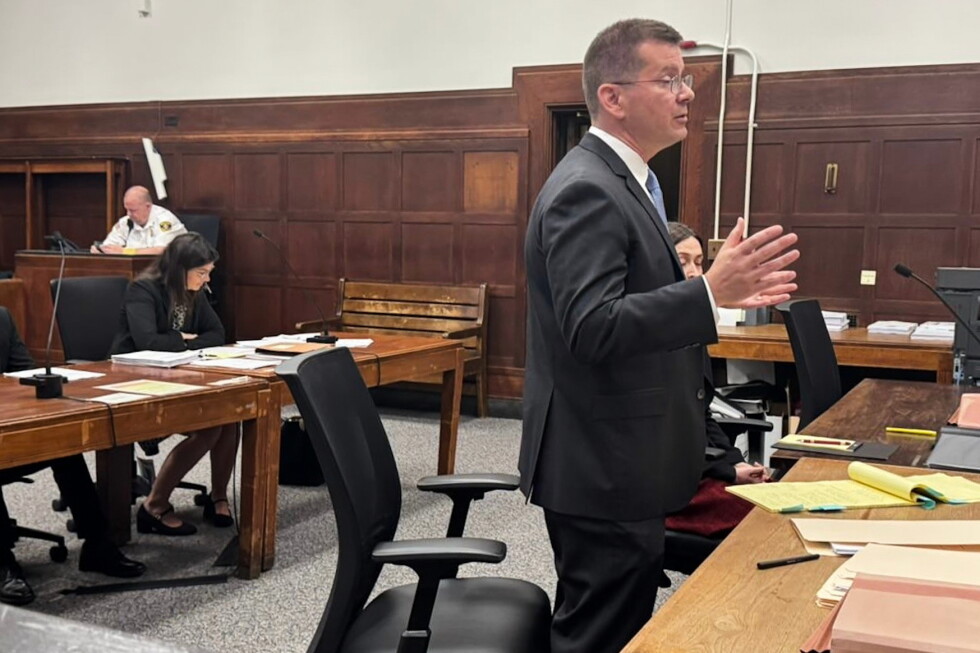
During a July 7 court session, the ACLU argued that the Sheriff’s Office’s reliance on federal pre-emption was overly broad and an attempt to bypass state law. McFadden remarked on the unlikely scenario of Congress interfering with state agencies’ abilities to generate their records.
Jessica Kenny, representing the Sheriff’s Office, suggested that the ACLU could obtain the records via a federal Freedom of Information Act request to ICE. When Judge Budreau questioned if redacting identifying information could resolve the issue, Kenny agreed, acknowledging that such redactions would prevent linking the records to specific detainees.
History of Issues
The Plymouth County Correctional Facility, which began housing immigrant detainees in 1998 through a contract with the now-defunct Immigration and Naturalization Service, remains the only long-term facility of its kind in Massachusetts. Under its current contract with ICE, the facility reserves 250 beds for detainees, with the agency paying $215 per day for each occupied bed.
The importance of medical care in detention facilities is underscored by ACLU attorney Mackenzie Saunders, who noted that for detainees, “not receiving medical care can be a matter of life or death.” A 2024 report from Boston University School of Law highlighted shortcomings in care and recommended improvements, while a subsequent ICE report found no deficiencies.
Tragically, as of August 4, 57 detainees have died in ICE custody nationwide since Donald Trump resumed his presidency, according to the National Immigration Project. Among those, 56-year-old Emmanuel Damas, a Haitian man, succumbed to an untreated tooth infection, highlighting the dire consequences of inadequate medical care.
___
This article was initially published by The New Bedford Light in collaboration with The Associated Press.