Several significant stories are shaping the conversation around America’s military community this week — from a tragic training accident to policy debates, financial updates, and new research affecting service members and veterans. Here’s a look at what’s making news across the armed forces.
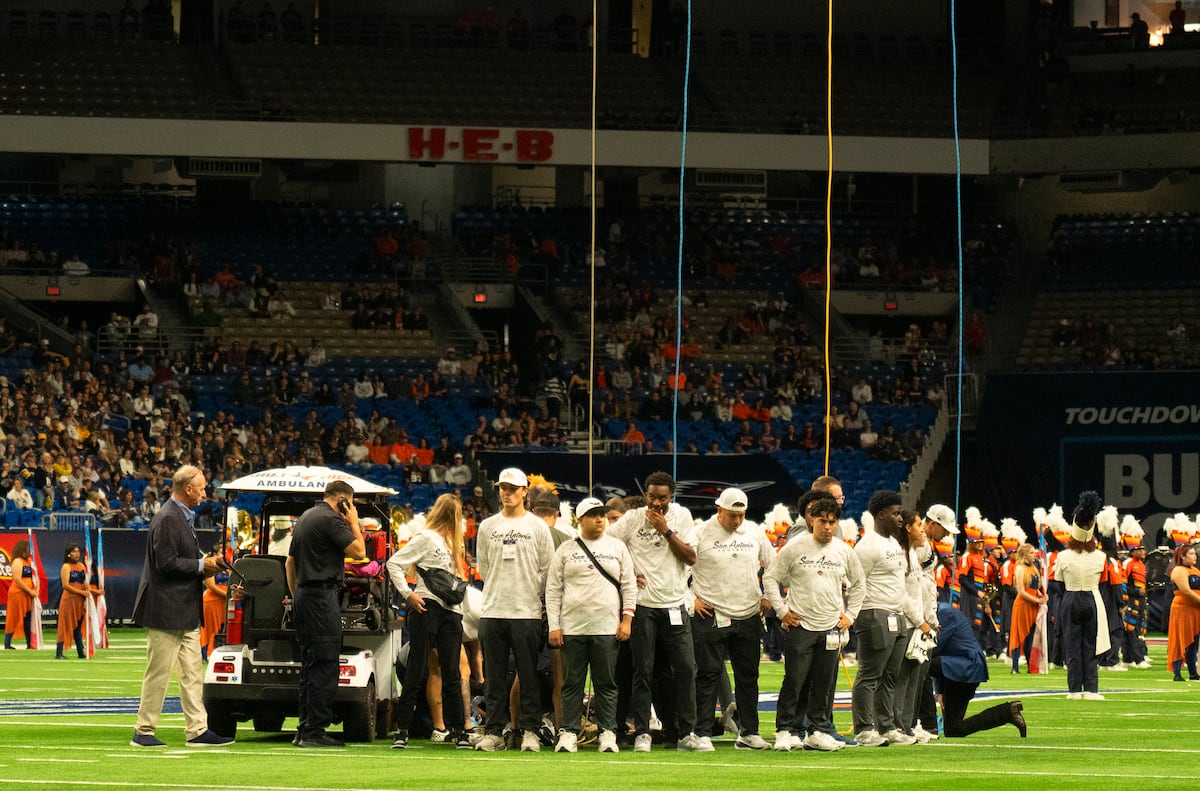
A U.S. airman died following a fall during a rappelling demonstration held before a Navy football game, according to Navy Times. The incident occurred as part of a pre-game event, though the specific circumstances surrounding the fall are still under review. The airman’s death has prompted renewed attention to the safety protocols surrounding military demonstrations at public events.
On the policy front, advocacy groups are raising questions about the Pentagon’s decision to launch a new study examining women in combat roles. Organizations on multiple sides of the issue are seeking clarity on the motive behind the research effort, with some concerned the study could be used to roll back integration policies already in place, while others argue a thorough review is a reasonable step toward military readiness assessment.
For veterans and military retirees watching their finances, there is notable news on the benefits front. The 2027 cost-of-living adjustment for retirees and veterans has been announced, providing an updated picture of what beneficiaries can expect in their monthly payments heading into the new year. Cost-of-living increases are tied to inflation data and play a direct role in the financial security of millions of Americans who served.
Meanwhile, universities and research institutions are responding to a sweeping Pentagon directive by severing ties with foreign research partners. The order, aimed at protecting sensitive defense-related research from foreign influence, is forcing academic institutions to make difficult decisions about longstanding international collaborations. The move reflects broader concerns in Washington about national security and the integrity of defense-funded research.
Finally, a new study is raising important questions about health screening practices within the military. Routine testosterone screening of U.S. troops may lead to a cascade of additional medical care requirements, according to the research. The study suggests that while baseline screening can identify health issues, it may also generate a significant demand for follow-on treatment — raising logistical and resource questions for military healthcare providers.
Readers who want to stay current on these and other military news developments can subscribe to Navy Times, sign up for newsletters, or follow updates through RSS feeds. For those interested in supporting military journalism, merchandise is also available. Businesses and organizations looking to reach the military community can explore advertising opportunities, and anyone with questions can reach out through general contacts and subscription services or connect directly with the editorial staff. Site policies are outlined in the Privacy Policy and Terms of Service.