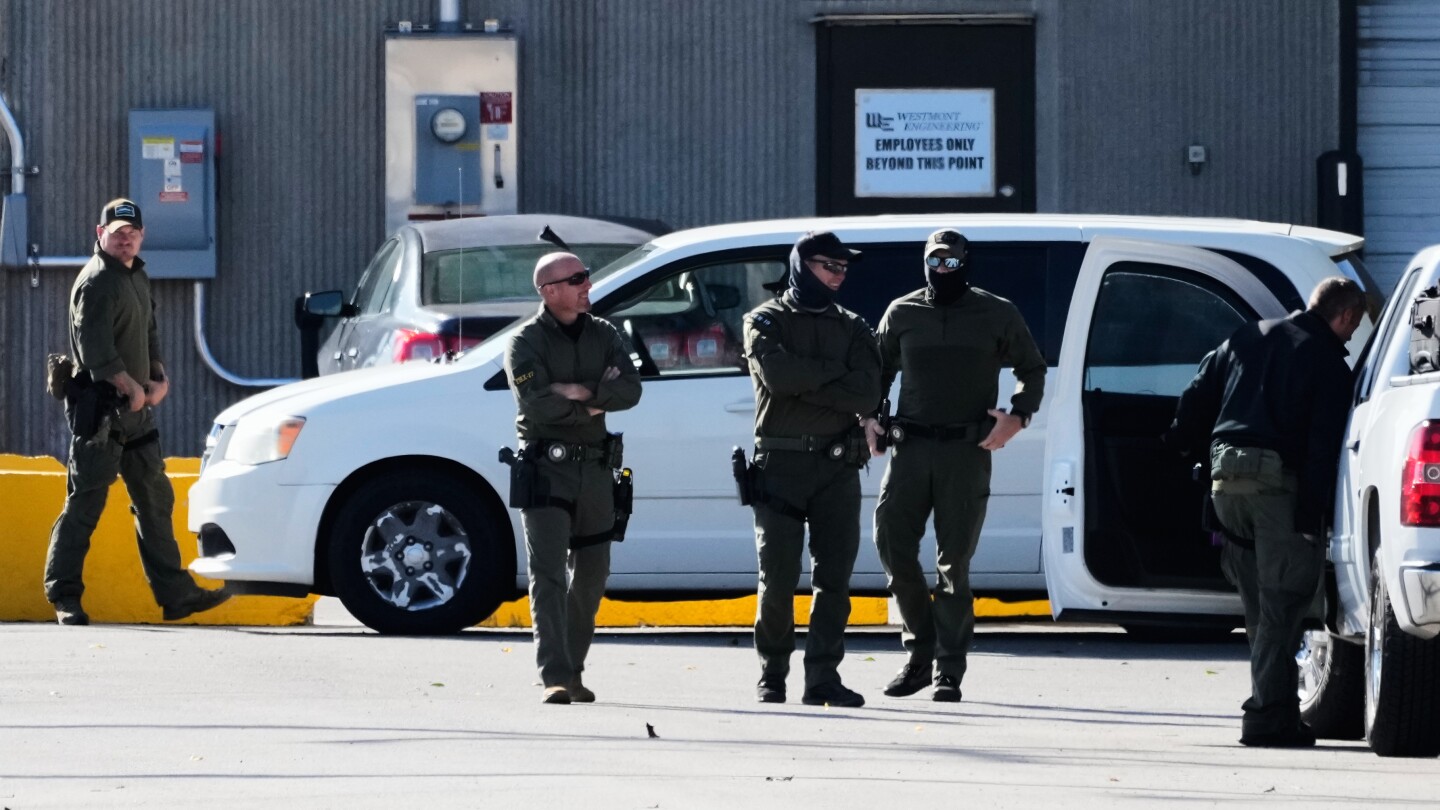
As cities across the United States grapple with the potential deployment of National Guard troops, legal battles are unfolding that could shape the extent of federal intervention in local governance. A series of court rulings and lawsuits are challenging President Donald Trump’s efforts to deploy the military in Democrat-led cities.
Chicago Deployment on Hold Pending Supreme Court Intervention
Currently, the deployment of National Guard troops in the Chicago area is on pause. U.S. District Judge April Perry has extended a temporary restraining order, which halts any military action until either her court or the U.S. Supreme Court makes a final decision. This indefinite extension follows a two-week block that Perry previously imposed.
Federal attorneys have agreed to maintain the current order but continue to press for an emergency Supreme Court ruling to enable the deployment. Solicitor General D. John Sauer emphasized in a filing, “Every day this improper TRO remains in effect imposes grievous and irreparable harm on the Executive.” Concurrently, attorneys for Chicago and Illinois have urged the court to uphold the block, calling any deployment a “dramatic step.”
Portland Faces Similar Legal Challenges
In Portland, Oregon, the situation mirrors that of Chicago. While an appeals court has permitted Trump to command 200 Oregon National Guard troops, another court order prevents their deployment. U.S. District Judge Karin Immergut has issued restraining orders blocking the federal deployment of troops to Oregon, after attempts to utilize California troops were made. The Justice Department’s appeal against the first order found favor with the 9th U.S. Circuit Court of Appeals, which ruled 2-1 in support of the administration.
Despite this, Immergut’s second restraining order remains active, preventing immediate troop deployment. A hearing has been scheduled to address the administration’s request to lift this order.
California’s Legal Hurdles in Federal Control of Guard
The situation in California is also contentious. A 9th U.S. Circuit Court of Appeals panel in Pasadena is currently deliberating on whether to uphold a district court ruling that found the Trump administration violated federal law by deploying troops to Los Angeles. Previously, Judge Charles Breyer handed a decision in favor of California Governor Gavin Newsom, returning control of the state’s Guard members. However, an emergency ruling from an appeals panel allowed federal control to remain as the case continues.
The panel is also considering the administration’s appeal of a ruling that found Trump violated the Posse Comitatus Act, which restricts military involvement in domestic law enforcement.
Efforts to Stop Guard Deployment in Washington, D.C.
In Washington, D.C., legal proceedings are ongoing regarding the deployment of more than 2,000 National Guard troops. A state court in Charleston, West Virginia, is set to hear a lawsuit filed by groups seeking to prevent the state’s Guard from being deployed to the capital. Meanwhile, D.C. Attorney General Brian Schwalb is pursuing an injunction to halt further deployments.
This case has drawn widespread attention, with 45 states filing briefs—23 supporting the administration and 22 backing the lawsuit against the deployments. Republican governors have also contributed troops to D.C., though many plan to withdraw them by the end of November unless an extension is granted.
Memphis Lawsuit Against Guard Deployment
In Tennessee, Democratic officials have filed a lawsuit seeking to end the Guard’s deployment in Memphis. They argue that Republican Governor Bill Lee, following a request from Trump, violated state constitutional provisions that allow Guard deployment only during a “rebellion or invasion” and with legislative approval.
Since their arrival on October 10, Guard troops have been patrolling downtown Memphis, notably near the Pyramid, without arrest authority, as they wear military police insignia and carry weapons.