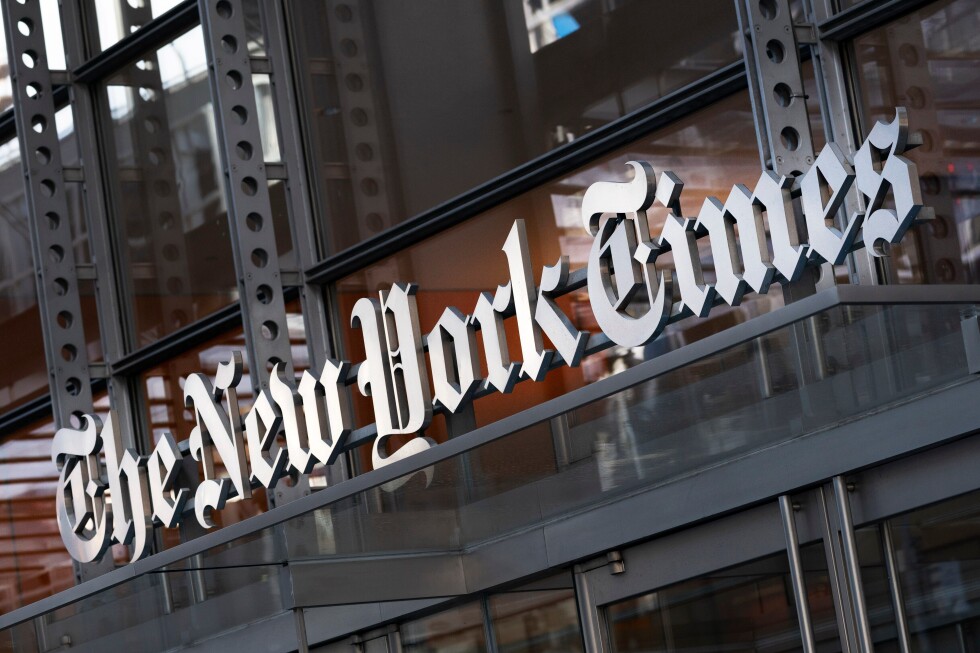
In a recent legal move, The New York Times has once again challenged the Defense Department’s policy regarding journalist escorts at the Pentagon, asserting that such measures infringe upon First Amendment rights. This lawsuit marks the second time in five months that the newspaper has taken legal steps against the Department, intensifying the ongoing debate over media access to military affairs.
According to Charlie Stadtlander, a spokesperson for the Times, the escort requirement is “an unconstitutional attempt by the Pentagon to prevent independent reporting on military affairs.” Stadtlander emphasized the public’s right to transparency regarding governmental actions, stating, “As we have said before: Americans deserve visibility into how their government is being run, and the actions the military is taking in their name and with their tax dollars.”
Escalating Disputes Between the Media and the Government
The lawsuit by the Times is part of a broader conflict between the media and the current administration, which has frequently played out both publicly and in the courts. The Times initially filed suit against the Pentagon in December over new policies imposed by Defense Secretary Pete Hegseth, which included the contentious escort rule. This rule requires journalists to be accompanied by a Pentagon official at all times while on site.
Judge Paul L. Friedman of the U.S. District Court had previously ruled in favor of the Times, striking down prior restrictions on media access as unconstitutional. Despite this, the Pentagon implemented the escort policy in March, which was later deemed a violation of the judge’s order. Nevertheless, the rule persists as an appeals court has stayed part of Friedman’s ruling while the government seeks an appeal.
Legal Battle Centers on Escort Rule
The latest lawsuit, filed in the District of Columbia district court by the Times and reporter Julian E. Barnes, seeks a judicial review of the escort policy on constitutional grounds. The filing argues that the Pentagon’s media restrictions aim to “close the Pentagon to any journalist or news organization unwilling to report only what Department officials approve,” a stance the Times describes as “patently unconstitutional.”
Previously, in December, the Times initiated legal action to contest new regulations from Hegseth, which they claimed violated constitutional freedoms of speech and due process. In protest, media outlets including the Times have refused to comply with these rules, opting instead to report on military matters from outside the Pentagon. Meanwhile, a department-approved press corps continues to operate within the building.
Defense Department spokesperson Sean Parnell responded to the lawsuit on X, labeling it as an attempt by the Times to gain unrestricted access to sensitive areas within the Pentagon. Parnell stated, “The Department’s policy is completely lawful and narrowly designed to protect national security information from unlawful criminal disclosure.” He defended the escort requirement, noting that such measures are standard in federal buildings to safeguard classified information.
For more details, visit the original reports: Read more about the escort policy and the December lawsuit.