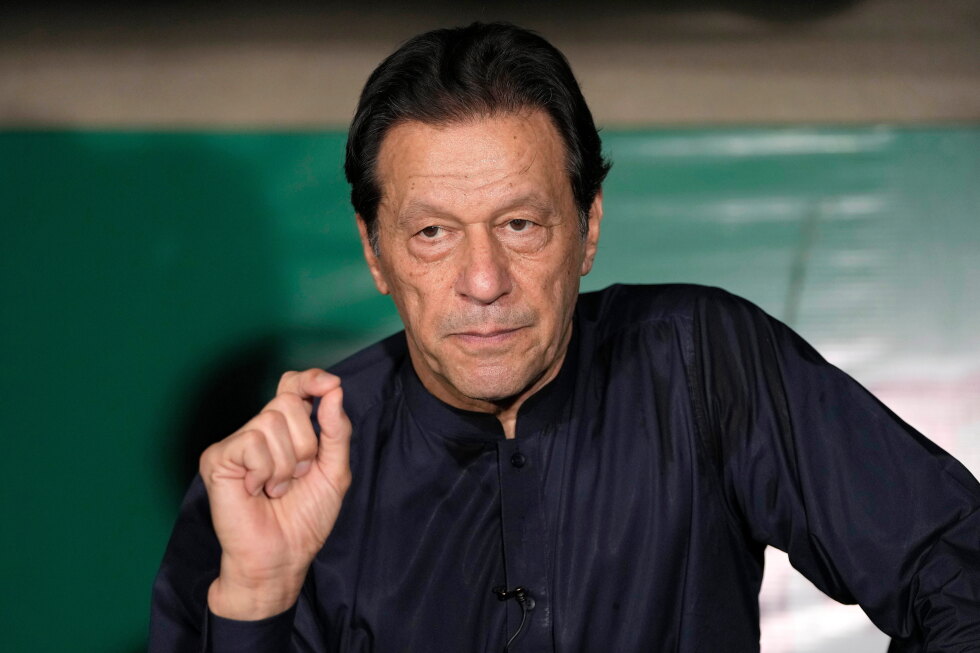
Imran Khan’s Health Prompts Supreme Court Intervention in Pakistan
After months of growing concern over the health of former Prime Minister Imran Khan, Pakistan’s Supreme Court has mandated his transfer to a private medical facility for a comprehensive health evaluation. This decision comes amid a backdrop of legal battles and political tensions involving the once cricket-star-turned-politician.
On Tuesday, a panel of three judges directed that Khan be moved to Shifa International Hospital in Islamabad. The medical review will be conducted by a board including specialists and one of Khan’s personal doctors, Faisal Sultan. This order addresses persistent calls from Khan’s family and legal team for better access to medical care.
Moreover, the court has instructed prison authorities to facilitate weekly family visits and allow Khan phone conversations with his sons. These measures aim to address the family’s difficulties in maintaining contact and ensuring Khan’s preferred medical treatment.
Security concerns have previously limited visits to Khan, following intelligence reports suggesting potential threats to his safety within the Rawalpindi high-security prison where he is held.
This legal directive follows a petition by Khan requesting transfer from the prison to a hospital and permission to consult his physicians, family, and legal advisors. His lawyer, Salman Akram Raja, highlighted the constitutional right to medical care, underscoring the decision’s basis on Khan’s health risks.
Raja also urged Khan’s supporters to refrain from gathering outside the hospital, emphasizing the importance of not disrupting other patients’ access to medical services.
Earlier this year, Khan received treatment for an eye condition at a government hospital. Concerns about his vision escalated in January when his family claimed he had lost significant vision in his right eye. The government initially disputed this but later reported improvement in Khan’s vision.
Despite his imprisonment on graft charges and his removal from office in 2022’s no-confidence vote, Khan remains a pivotal figure in the country’s political landscape. He has accused political adversaries and Pakistan’s former army chief, alongside the U.S., of orchestrating a conspiracy against him, allegations that have been denied.
Even amid these challenges, Khan continues to command a substantial following in Pakistan.