Phoenix to Implement Stage 2 Drought Measures as Colorado River Water Supply Dwindles
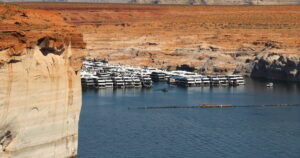
Beginning in January, Phoenix is set to initiate Stage 2 of its drought management plan in response to a reduction in water supply from the Colorado River. The state of Arizona is preparing for significant cutbacks, which will largely affect the Central Arizona Project, responsible for conveying Colorado River water to central Arizona.
Under this new stage, city residents and businesses will be encouraged to voluntarily reduce water usage by 5%, while city departments aim for a 10% cutback. Additionally, Phoenix plans to introduce incentives for conservation and impose surcharges on the water bills of some high-usage customers. This move will trigger voluntary reductions, broaden conservation efforts, and apply financial penalties to the city’s largest water consumers.
Kathryn Sorensen, director of research at the Kyl Center for Water Policy at ASU’s Morrison Institute for Public Policy and former director of Phoenix’s Water Services Department, explains that Phoenix’s water sources are diversified. “Phoenix’s tap water is basically about 60% from the Salt and Verde river system, SRP, a little less than 40% from the Colorado River and a very small amount is groundwater,” Sorensen notes.
The drought surcharge, approximately $2 per unit of water, will apply to single-family homes using around 15,000 gallons monthly—more than the city’s median use of 8,000 gallons. This surcharge is intended not only to promote conservation but also to generate revenue for Phoenix to invest in infrastructure and alternative water supplies.
Sorensen acknowledges the complexity of balancing revenue and conservation. “You jack up prices because you do want to send that signal of scarcity,” she says, highlighting the importance of infrastructure in water utility costs. Despite potential revenue effects, the city remains committed to encouraging responsible water use.
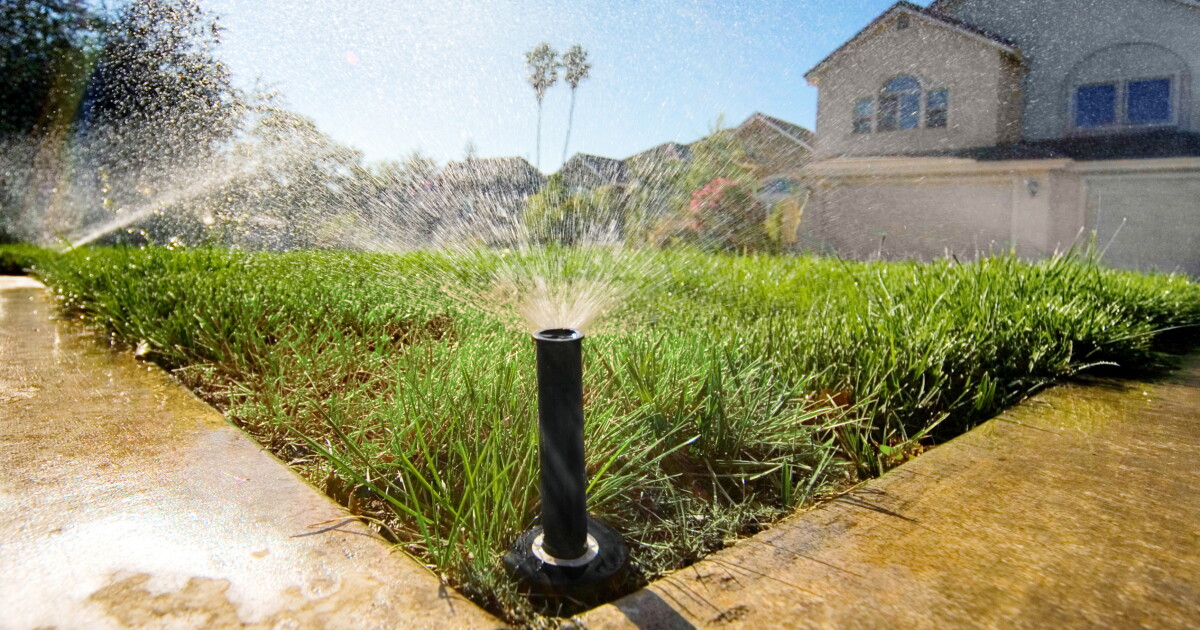
The effectiveness of surcharges in reducing water consumption varies, Sorensen explains, particularly as demographics shift. Wealthy residents may not be as affected by increased costs, yet over time, higher bills tend to drive conservation. The city’s pricing strategy, which charges more for water in the summer, effectively discourages grass lawns in favor of xeriscaping.
Should the plan succeed, it aims to reduce water use across all sectors, preparing Phoenix for the anticipated Colorado River shortages. While alternative water supplies are available, their high cost necessitates additional funds to maintain water availability without shortages.
Sorensen emphasizes that the current situation is more about supply than demand. “Phoenix water use per capita has been trending lower and lower year after year,” indicating a responsible approach to water consumption by residents. However, the need for fire protection demands a consistent base flow of water.
In a worst-case scenario, insufficient conservation would not lead to tap water shortages but could necessitate more costly alternative water supplies. “We’re not running out of water here in Arizona, but we are running out of cheap water,” Sorensen concludes.