As the debate over abortion continues to evolve in the United States, pregnancy centers that advocate against abortion are increasingly broadening their range of medical services. This expansion is gaining traction, especially following the Supreme Court’s decision to overturn Roe v. Wade, paving the way for more state-level abortion bans.
These centers, often termed “crisis pregnancy centers,” have been diversifying their offerings to include services like sexually transmitted infection (STI) testing and treatment, and in some cases, even primary medical care. This trend is further fueled by the closure and potential shutdown of numerous Planned Parenthood clinics, which provide a wide array of reproductive health services, including cancer screenings and STI treatments. Heather Lawless, founder and director of Reliance Center in Lewiston, Idaho, stated, “We ultimately want to replace Planned Parenthood with the services we offer.”
Abortion-rights advocates express concerns about the expansion of these centers. Criticisms include their anti-abortion messaging, lack of accountability, refusal to provide contraceptives, and offering only limited ultrasound services. Additionally, some centers promote controversial abortion-pill reversal treatments. Jennifer McKenna, a senior adviser for Reproductive Health and Freedom Watch, questions the centers’ capability to deliver on their medical promises, stating, “There are really bedrock questions about whether this industry has the clinical infrastructure to provide the medical services it’s currently advertising.”
Post-Roe Opportunities and Expansion
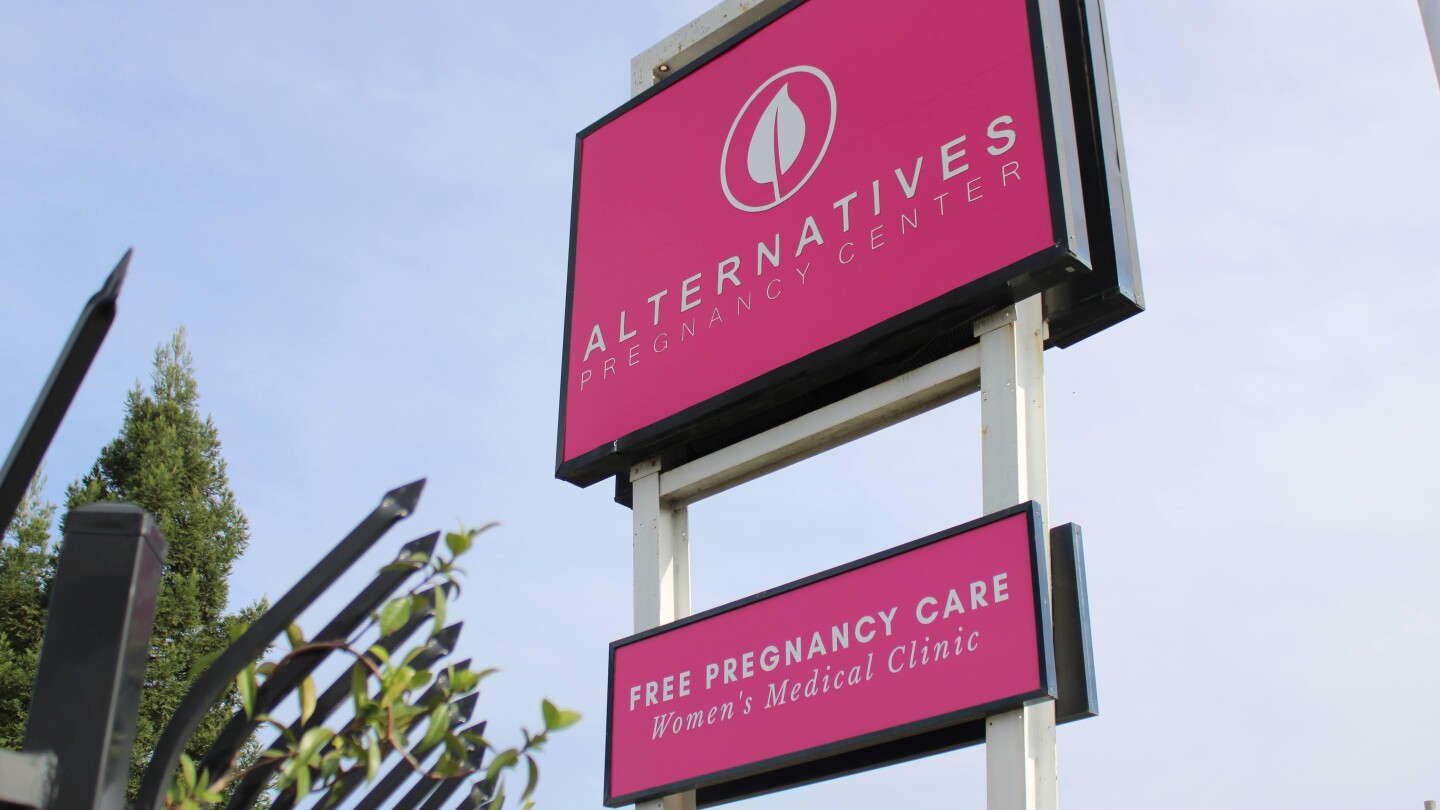
Prior to the Supreme Court’s 2022 ruling in Dobbs v. Jackson Women’s Health Organization, these centers had already begun to expand their services. Since then, they’ve accelerated their growth in medical, educational, and other programs. Moira Gaul from the Charlotte Lozier Institute commented, “They are prepared to serve their communities for the long-term.” In California, for example, Alternatives Pregnancy Center has added a variety of medical professionals to their team, making them the sole healthcare provider for some patients.
Jessica Rose, a patient at Alternatives who has detransitioned after living as a man for seven years, shared her experience with the center. She stated, “APC provided me a space that aligned with my beliefs as well as seeing me as a woman.”
Pregnancy Centers on the Rise as Clinics Close
In 2024, the number of anti-abortion pregnancy centers in the U.S. rose to over 2,600, while the number of clinics offering abortions fell to 765. Public funding, particularly from Republican-led states, has significantly supported these centers. For example, Texas allocated $70 million to pregnancy centers, and Florida set aside over $29 million for its Pregnancy Support Services Program.
These developments occur as Planned Parenthood faces funding challenges, largely due to changes in Medicaid under a law signed by former President Donald Trump. Planned Parenthood anticipates that up to 200 of its clinics might close, creating potential healthcare deserts where pregnancy centers could become the primary option for many women.
Kaitlyn Joshua of Abortion in America expressed concerns about the adequacy of care provided at these centers, emphasizing the need for accurate information over unsolicited sermons.
Despite criticisms, Thomas Glessner of the National Institute of Family and Life Advocates defends the centers, asserting that they are subject to oversight through their medical directors, although critics argue this perspective is politically motivated.
Differing Services at Pregnancy Centers
In Joplin, Missouri, Choices Medical Services has shifted its focus from solely discouraging abortion to a broader sexual health mission, offering STI treatments and working with law enforcement on related cases. Executive director Karolyn Schrage notes that most of their work is unrelated to pregnancy, although they do not provide contraceptives.
Hayley Kelly, a former client, shared her positive experiences with Choices, emphasizing its supportive environment. “It’s an amazing place,” she said, encouraging others to seek services there.
Choices and similar centers focus on a strategy of sexual risk elimination rather than reduction, as explained by Schrage.