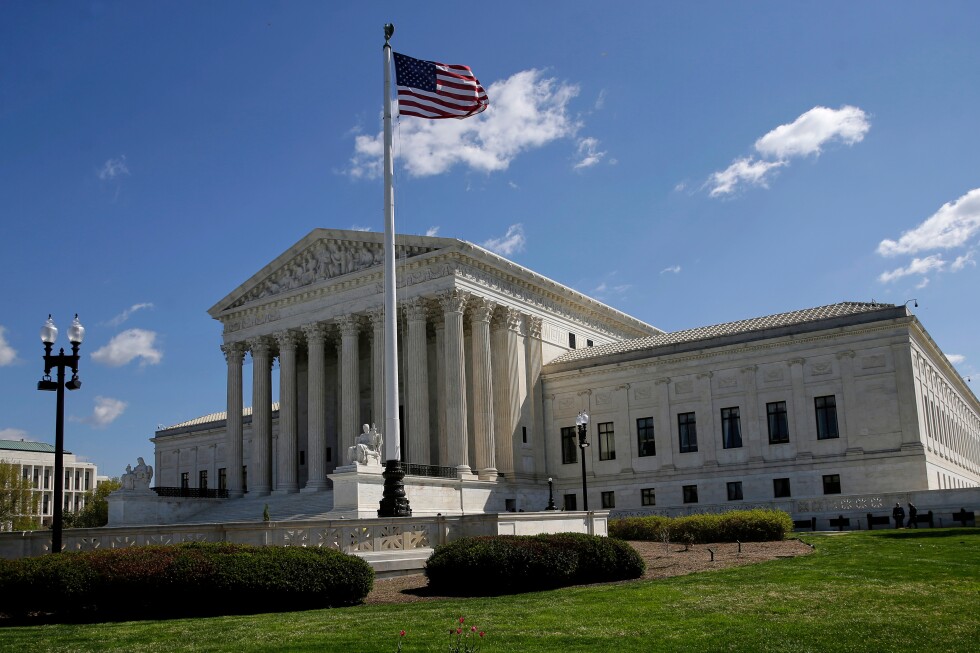
Supreme Court Allows Lawsuit Against Government Contractor After Afghanistan Attack
The United States Supreme Court has paved the way for a lawsuit against a government contractor by a veteran injured in a 2016 suicide bombing in Afghanistan. This decision marks a significant legal precedent, as the court determined in a 6-3 ruling that the contractor could be held accountable for alleged negligence leading to the attack.
The case centers around former Army Specialist Winston Hencely, who suffered severe injuries during the incident at Bagram Airfield. Hencely’s injuries included a fractured skull and brain trauma, significantly affecting his physical abilities and leading to ongoing medical conditions.
According to court documents, the attacker, Ahmad Nayeb, was an Afghan employee of Fluor Corporation, a Texas-based engineering construction company. Nayeb detonated an explosive vest after being confronted, resulting in the deaths of five individuals and injuries to many others.
The Supreme Court’s ruling allows Hencely to pursue legal action against Fluor Corporation under state law. An Army investigation had previously criticized the company’s supervision of Nayeb, who constructed the explosive device at the job site within the base.
Fluor Corporation contended that it was immune from lawsuits, arguing that it operated under government directives during wartime. However, the court’s majority opinion, authored by Justice Clarence Thomas and supported by Justices Sonia Sotomayor, Elena Kagan, Neil Gorsuch, Amy Coney Barrett, and Ketanji Brown Jackson, concluded that the company’s alleged failure to properly supervise its employee negated this protection.
The dissenting opinion, written by Justice Samuel Alito and joined by Chief Justice John Roberts and Justice Brett Kavanaugh, warned that the lawsuit might interfere with the government’s wartime decision-making and policies, including those encouraging employment of local Afghan workers.
The full opinion of the court can be accessed here.