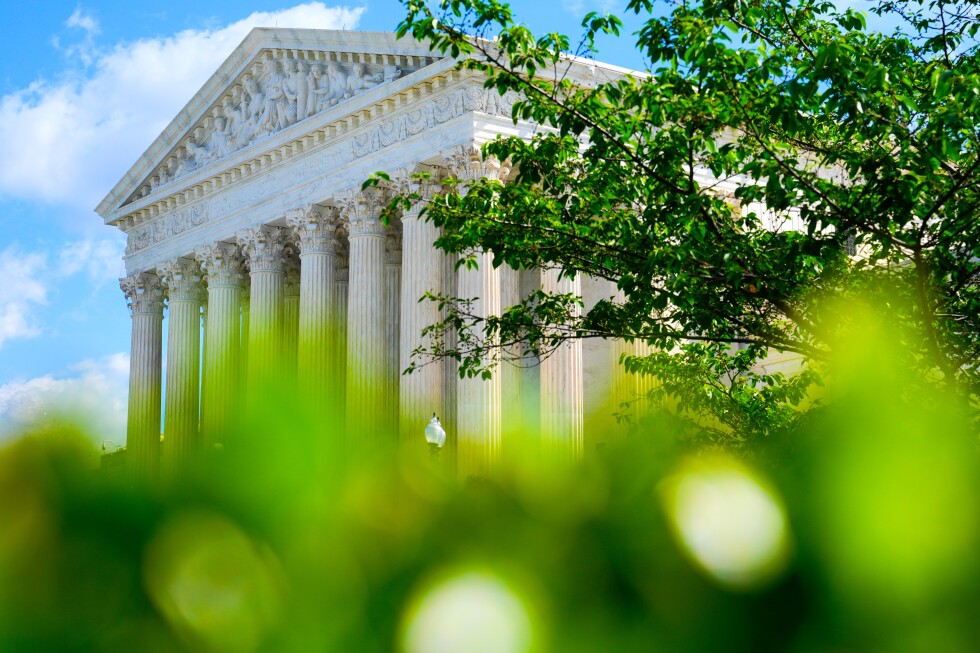
In a pivotal case that could redefine privacy rights in the digital age, the Supreme Court is set to determine the legality of using geofence warrants. This controversial tool enables law enforcement to access cellphone location histories to pinpoint individuals near a crime scene, raising questions about the scope of the Fourth Amendment.
The case under scrutiny involves Okello Chatrie, who admitted guilt in a bank heist in Richmond, Virginia, in May 2019. Initially evading capture, Chatrie was eventually traced through geofence technology, which effectively erected a virtual perimeter to identify cellphones close to the crime location during the incident.
During a two-hour session, the justices expressed skepticism towards Chatrie’s defense, led by attorney Adam Unikowsky, who argued that geofence warrants are overly broad and violate constitutional protections against unreasonable searches. Justice Sonia Sotomayor countered, noting the specificity of the warrant in question, stating, “This isn’t that. It identifies a place, a crime, a timeframe.”
The legal journey of geofence warrants has been contentious. A federal appeals court in Richmond upheld Chatrie’s conviction, while another in New Orleans deemed such warrants as overly general and unconstitutional under the Fourth Amendment.
This case presents the Supreme Court with a challenge to modernize the interpretation of a constitutional provision from 1791, applying it to contemporary technological capabilities unimagined by the nation’s founders.
The justices appear cautious about issuing a sweeping judgment. They may opt to define limitations on the duration and geographic scope of geofence warrants or decide whether geofence searches necessitate a warrant at all. A possible outcome is affirming the constitutionality of geofence searches under certain conditions.
Even if the court rules in favor of Chatrie, it might not alter his situation. Although a federal judge determined that the search breached his rights, the evidence was still admitted, as the officer involved believed he was following protocol.