Supreme Court Faces Tough Decision in Roundup Cancer Lawsuits
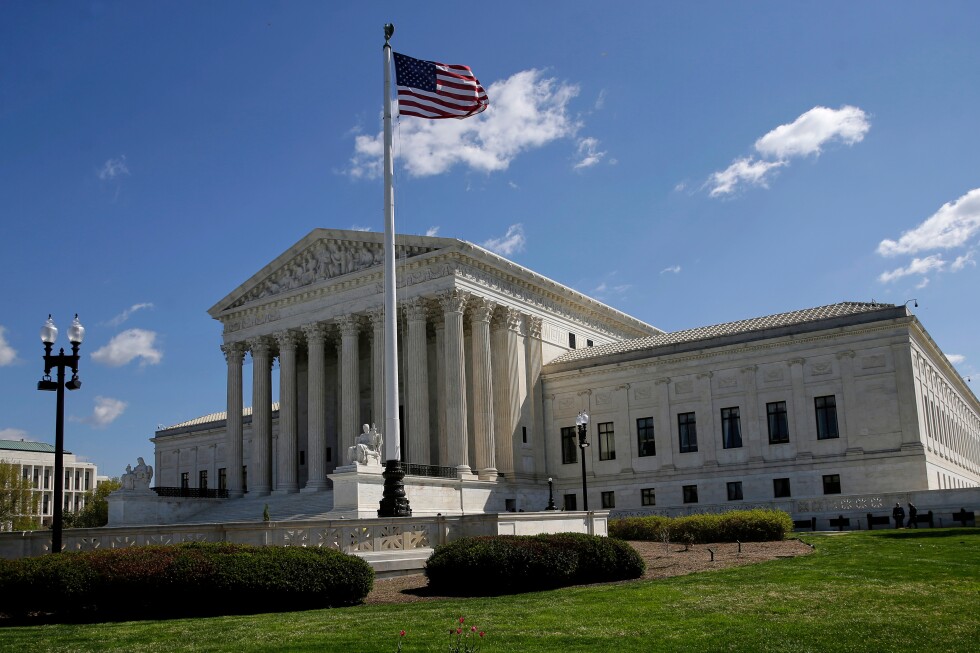
The Supreme Court is embroiled in a contentious debate over the legality of thousands of lawsuits claiming that Roundup, a widely used weedkiller produced by Bayer’s subsidiary Monsanto, could cause cancer. The justices remain divided on whether these lawsuits should proceed, with some expressing sympathy for Bayer’s defense based on federal regulatory findings, while others question the constraints this might impose on state-level actions.
Bayer has been at the center of significant litigation, facing multibillion-dollar verdicts after being accused of failing to warn users about Roundup’s potential cancer risks. The lawsuits have been backed by individuals like John Durnell, a Missouri resident who attributes his non-Hodgkin’s lymphoma to over two decades of using Roundup in his community. A jury awarded Durnell $1.25 million, one of many such cases, including some with damages in the billions.
While the World Health Organization’s International Agency for Research on Cancer labeled glyphosate, Roundup’s main ingredient, as “probably carcinogenic” in 2015, the Environmental Protection Agency concluded it is “not likely to be carcinogenic” when used correctly. Bayer argues that it must adhere to federal labeling guidelines, which do not require a cancer warning, despite state laws under which these lawsuits have been filed.
The case has sparked discussions within the Supreme Court about the balance between federal and state regulations. Justice Ketanji Brown Jackson highlighted the long intervals between EPA reviews, questioning if this delays state responses to new research. Chief Justice John Roberts expressed concern over potential limitations on state courts during these periods.
On the other hand, Justices Brett Kavanaugh and Elena Kagan raised concerns about the complexity of adhering to varying state laws, which could undermine the consistency intended by federal regulations. Bayer’s strategy includes setting aside $16 billion for settlements and advocating for state laws that prevent new lawsuits.
Despite Bayer’s efforts to mitigate litigation through settlements and legislative measures, the company has ceased using glyphosate in Roundup for the U.S. residential market. The possibility of pulling it from the agricultural sector looms if legal challenges continue, which worries groups like the Modern Ag Alliance about the impact on agriculture.
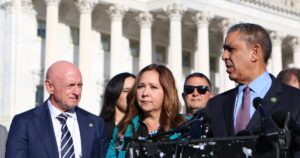
Pesticide use remains a contentious issue, creating divides within political movements and sparking protests such as the “People vs. Poison” rally outside the Supreme Court. The outcome of this high-stakes legal battle, expected by June, could have significant implications for both industry regulations and consumer safety.
For more details, read the full article on the AP News website.