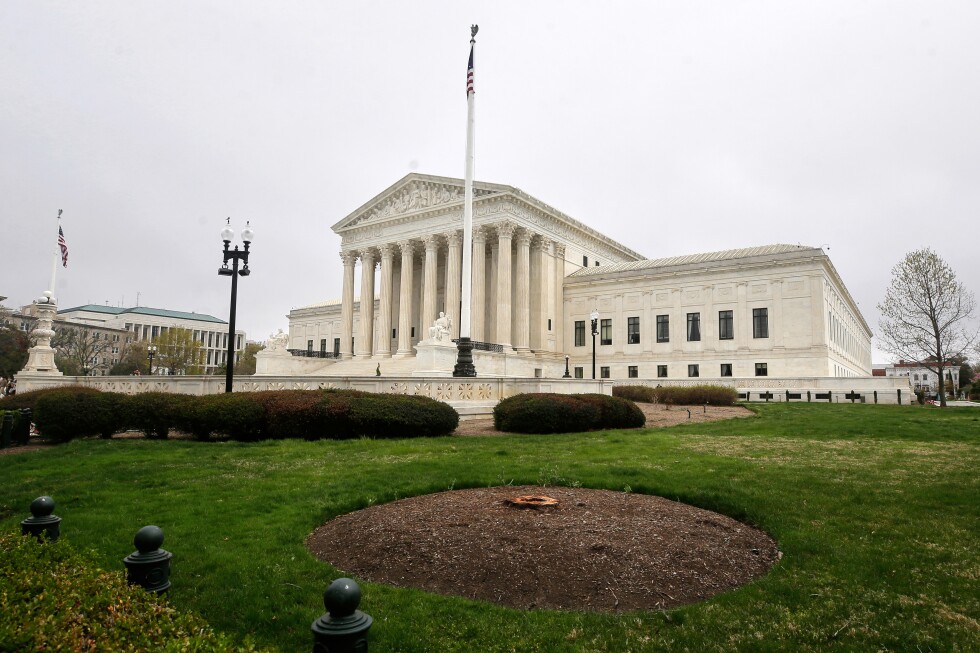
The Supreme Court is currently deliberating on whether to dismiss a lawsuit against Cisco, which alleges that the company’s technology was instrumental in the persecution of Falun Gong practitioners in China. The case has reached the highest court following an appellate decision that permitted the lawsuit to proceed in U.S. courts.
The legal argument hinges on whether Cisco can be held accountable under the Alien Tort Statute (ATS) and the Torture Victim Protection Act (TVPA), with Cisco asserting it should not be liable for aiding human rights abuses. The ATS dates back to the 18th century, while the TVPA was established in 1991.
During the proceedings, the conservative majority of justices seemed inclined to rule in favor of Cisco, debating the extent to which such legal actions should be allowed. Justice Neil Gorsuch questioned if the judicial system’s gates are “not closely guarded,” reflecting broader skepticism toward using U.S. courts for foreign affairs-related justice.
Both Republican and Democratic administrations have historically been wary of litigations in U.S. courts concerning foreign governments’ actions. Falun Gong advocates argue that significant activities by Cisco related to China occurred within the U.S., attempting to counter this skepticism.
According to an Associated Press investigation, American tech firms, including Cisco, have significantly contributed to China’s surveillance network. This network has reportedly been used to suppress dissent, persecute religious groups, and target minorities.
Documents from 2008 reveal that Cisco viewed China’s “Golden Shield” internet censorship project as a business opportunity, with a presentation indicating that Cisco’s technology could detect over 90% of Falun Gong material online. Additional presentations showed Cisco labeling Falun Gong as a “threat” and developing a comprehensive system to monitor its followers. In 2011, Falun Gong members sued Cisco, alleging the company custom-designed technology for Chinese authorities to track and detain practitioners.
Justices Sonia Sotomayor and Ketanji Brown Jackson expressed a willingness to let the lawsuit proceed. Sotomayor remarked on Cisco’s cooperation with the Chinese government, stating, “It knew that those people will be tortured.”
Cisco attorney Kannon Shanmugam countered these claims, stating, “Cisco vigorously disputes those allegations.” A ruling from the Supreme Court is anticipated by late June.