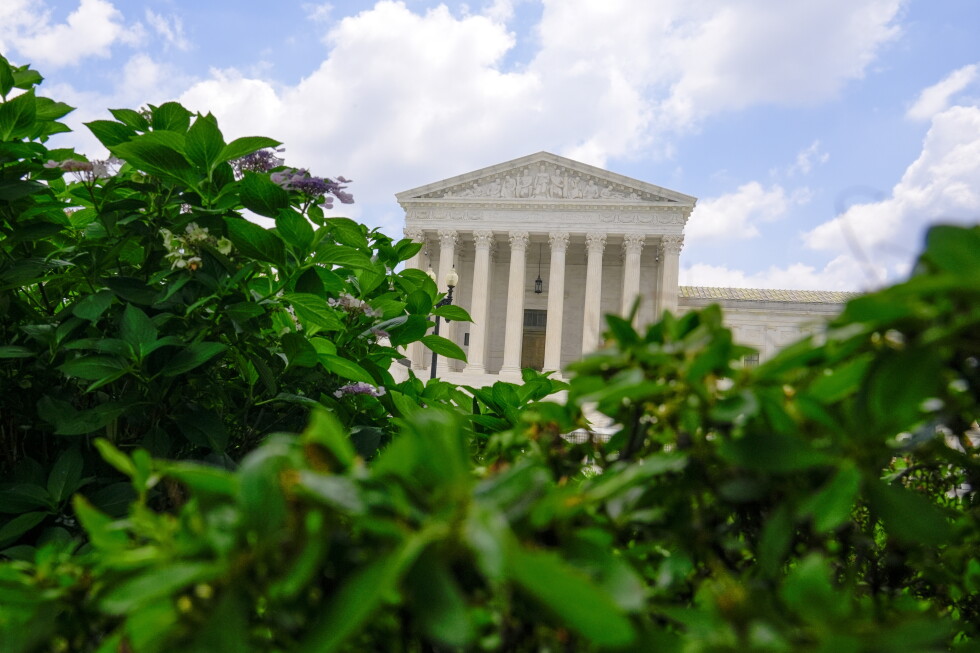
The Supreme Court has once again altered the landscape of U.S. election laws, removing longstanding restrictions on the amount political parties can coordinate with candidates in federal elections. A ruling on Tuesday nullified a more than 50-year-old federal statute, allowing political parties to spend without limitations in collaboration with candidates for Congress and the presidency.
This decision comes as a result of a lawsuit spearheaded by Republican interests, including Vice President JD Vance. The court’s conservative majority, consisting of six justices, made the ruling, which echoes the sentiments of the 2010 Citizens United decision that enabled unlimited independent expenditures in federal campaigns.
Originally, limits on party expenditures were intended to prevent large donors from bypassing individual contribution caps by channeling substantial funds through party channels, with the expectation that these would be used to support specific candidates.
Although these spending limits were previously upheld by the Supreme Court in 2001, Justice Brett Kavanaugh, writing for the majority, declared that decision incorrect. He stated, “In short, constitutional text, history and precedent establish that the political-party coordinated-expenditure limits violate the First Amendment.”
In contrast, Justice Elena Kagan, representing the court’s liberal wing in dissent, argued that the decision would cause “untold harm” by allowing excessive contributions to individual candidates through party channels, greatly surpassing direct donor limits.
The legal challenge that led to this ruling was initiated by Republican committees for House and Senate candidates in Ohio in 2022, with Vance and former Representative Steve Chabot among the plaintiffs. The Federal Election Commission, post-2020 elections, ceased defending the law, aligning with Republican calls for its overturn.
Despite acknowledging the disadvantages these limits have posed for political parties amidst an era of unrestrained spending by other entities, Democrats urged the court to maintain the law.
Previously, coordinated party spending caps for Senate races varied from $127,200 in less populated states to nearly $4 million in California. For House races, limits were set at $127,200 in states with a single representative, and $63,600 elsewhere.
The court’s decision further highlights the ongoing division between its conservative and liberal factions regarding campaign finance regulations. During the December hearings, Justice Sonia Sotomayor, a dissenting voice in Citizens United and similar cases, warned against disrupting congressional intent, stating, “Every time we interfere with the congressional design, we make matters worse.” Conversely, Justice Samuel Alito defended the decision, claiming it “level the playing field” by extending free spending rights beyond media companies.
___
For comprehensive coverage of the U.S. Supreme Court, visit https://apnews.com/hub/us-supreme-court.