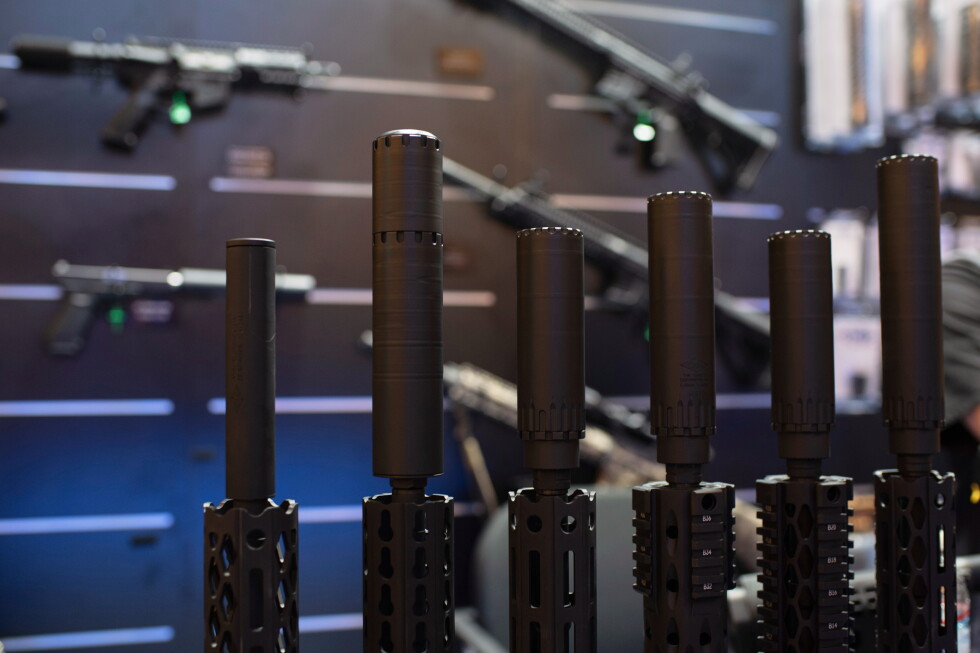
In a significant legal development, a recent court order nullifying certain firearm regulations has come into force after the U.S. Justice Department chose not to appeal within the prescribed seven-day period. This decision by a federal judge in Texas impacts regulations related to firearm suppressors, short-barreled rifles, and shotguns, effectively easing purchase and registration requirements.
The ruling, however, is not a nationwide injunction and directly benefits the plaintiffs involved in the case, including dealers located outside northern Texas. While some states maintain their own restrictions on silencers, similar legal challenges are ongoing in other federal courts across the country.
U.S. District Judge James Hendrix, based in Lubbock, Texas, declared that the regulations set forth in a 1930s-era law are unconstitutional. This decision follows legislative changes when a Republican-led Congress and former President Donald Trump removed a $200 tax permit on these devices. Read more here.
Judge Hendrix had stipulated that his Aug. 5 order would be enacted unless contested by the government. As of Wednesday, no appeal had been filed with either Hendrix’s court or the 5th U.S. Circuit Court of Appeals.
Emma Brown, executive director at Giffords, a gun violence prevention organization, criticized the government’s inaction, stating it represents a “failure to defend public safety.”
While an immediate response from the Bureau of Alcohol, Tobacco, Firearms and Explosives was not received, government procedures allow for potential appeals in forthcoming weeks, despite the current standing of Hendrix’s order.
Gun Owners of America reported that two of their members were able to purchase suppressors from Silencer Shop in Leander, Texas, without the need for registration. Erich Pratt, senior vice president of the organization, stated, “Our members are putting the historic victory into action. The era of federal registration for constitutionally protected arms must end.”
The National Firearms Act, established in 1934, was a response to mafia-related violence and aimed to regulate what were deemed the most dangerous firearms. Gun-rights advocates argue that it contradicts the Second Amendment. Giffords chief counsel Adam Skaggs defended the existing system, noting, “The system of regulating these weapons has been effective. The need is no less today than it was after the Prohibition era almost a century ago.”