The Trump administration has unveiled a proposal to impose substantial tariffs on products from several key U.S. trading partners, targeting goods allegedly produced with forced labor. This move has sparked a range of reactions from global trading partners and international bodies.
The proposed tariffs include a 10% levy on imports from 16 major economies, such as Canada, Mexico, and the European Union, while countries like China, Japan, and India could face a 12.5% tax. These measures aim to address the alleged failure of these nations to prevent imports made with forced labor.
U.S. Trade Representative Jamieson Greer stated: “The failure of our most important trading partners to address the importation of goods made with forced labor is unacceptable. This creates a dynamic where American workers are forced to compete globally on an unlevel playing field.” Greer emphasized that trading partners must intensify efforts to ensure that trade does not promote forced labor globally.
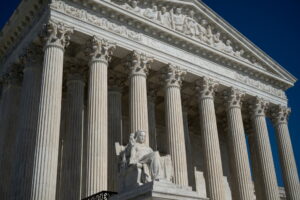
These tariffs are part of President Donald Trump’s strategy to replace revenue lost after the U.S. Supreme Court struck down previous global tariffs. The new tariffs, however, will not take immediate effect, as they are open for public comment and review, with hearings commencing on July 7.
China has already dismissed the allegations of forced labor and called for resolving economic disputes through dialogue. “There is no such thing as forced labor in China, and we oppose using it as an excuse to engage in political manipulation,” said Mao Ning, a spokesperson for the Chinese Foreign Ministry.
The Trump administration continues to pursue tariffs despite setbacks. Earlier this year, the Supreme Court determined that the President overstepped his authority by imposing widespread tariffs under the 1977 International Emergency Economic Powers Act (IEEPA). The Trump administration now relies on Section 301 of the Trade Act of 1974, which allows tariffs against unfair trade practices. This section previously facilitated tariffs on China during Trump’s first term.
Ryan Majerus, a trade lawyer and former U.S. trade official, commented on the administration’s strategy: “What’s somewhat brilliant about this way of approaching 301 is that politically it’s very hard to argue that you shouldn’t go after forced labor.” He believes that the new tariffs will be ready before the temporary ones expire next month.
The administration also investigates whether 16 U.S. trading partners, including the EU and Japan, are overproducing goods and disadvantaging U.S. manufacturers. Additionally, a proposal for 25% tariffs on Brazil was made, citing unfair trade practices.
The USTR’s report on forced labor, citing the UN’s International Labor Organization, estimated 27.6 million people were in forced labor as of 2021. Products like rice from Myanmar and cotton from China were mentioned as potentially involving forced labor. Despite these claims, some critics view the tariffs as an attempt to reintroduce global tariffs that had previously been invalidated.