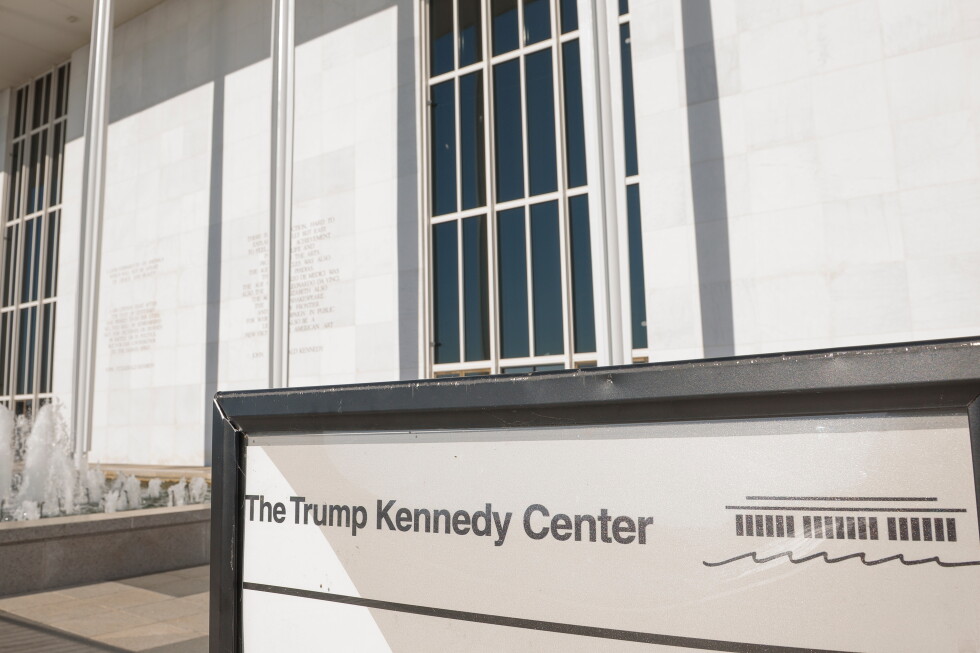
In a dramatic turn of events, former President Donald Trump is at the center of controversy following a federal judge’s decision to halt his ambitious renovation plans for the Kennedy Center. The decision, handed down by U.S. District Judge Christopher Cooper, has not only put a stop to the project but also ordered the removal of Trump’s name from the iconic venue.
Trump expressed his frustration on his Truth Social platform, calling the judge “an anti Trump Hater” and voicing concerns about the future of the Kennedy Center. He also linked this legal setback to previous judicial losses, including the Supreme Court’s dismissal of his proposed tariffs.
Amidst the unfolding legal battle, Trump has indicated a step back from his renovation plans, suggesting he might transfer control of the center back to Congress. This move has been met with optimism from the artistic community, as highlighted by former White House ethics lawyer Norm Eisen. He conveyed a sense of hope for a return to “non-partisan normality” at the Kennedy Center.
Allegations Surround the Judge’s Personal Ties
Without presenting concrete evidence, Trump suggested that the ruling might have been influenced by the judge’s wife, Amy Jeffress. Jeffress, a partner at the Hecker Fink law firm, has served in various legal capacities, including as a counselor to Attorney General Eric Holder during the Obama administration. Trump’s assertions also pointed to the law firm’s involvement in a lawsuit related to President Joe Biden.
In his post, Trump described the Kennedy Center as being in a state of disrepair and claimed that his envisioned new building would have been unmatched. Meanwhile, Judge Cooper criticized the center board’s decision-making process regarding the renovation, labeling it as “ill-informed and seemingly preordained.”
Contentious Naming Rights
The decision to add Trump’s name to the Kennedy Center has also been a point of contention. According to Judge Cooper, the board exceeded its authority by renaming the center, as only Congress holds that power. Trump, however, argued that the board initiated the name addition, believing it would benefit the institution.
Legal challenges to Trump’s project have emerged from multiple fronts, including a lawsuit by Rep. Joyce Beatty and another by cultural preservation groups. While Cooper ruled in favor of Beatty’s request, the latter challenge was dismissed.
Adding to the legal complexities, Trump noted that Jeffress’ firm had represented E. Jean Carroll, who successfully sued him for sexual abuse and defamation. The case resulted in significant financial awards for Carroll, though appeals are ongoing.