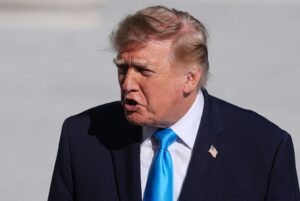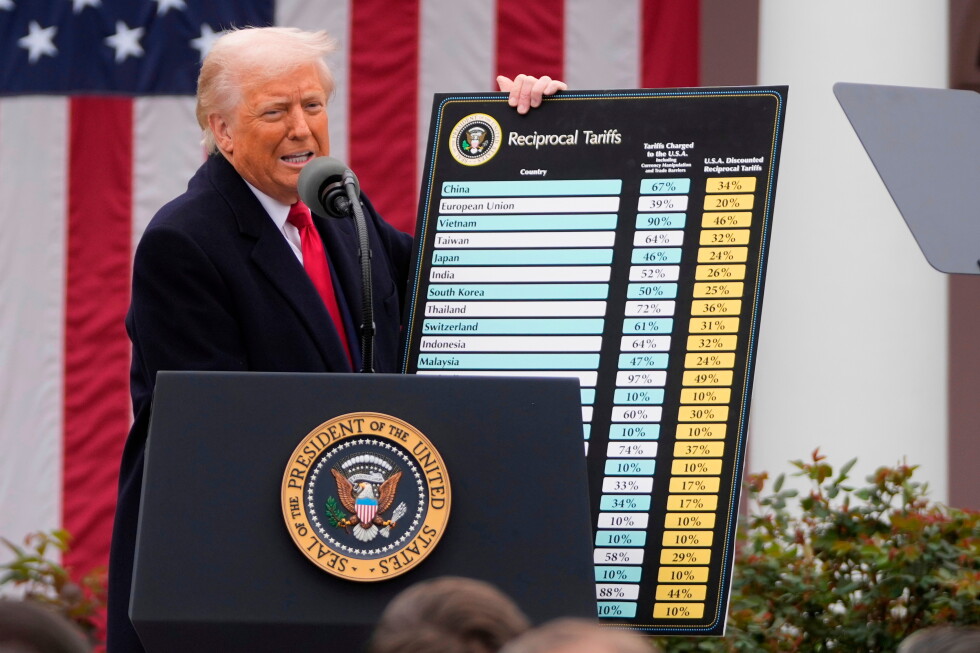
The landscape of international trade is shifting once again as President Donald Trump unveils a series of new tariffs. As the U.S. grapples with trade practices and human rights concerns, these tariffs aim to address forced labor issues while influencing global economic dynamics.
U.S. Implements New Tariffs on 60 Countries
The United States is set to impose tariffs ranging from 10% to 12.5% on imports from 60 countries starting Friday. This move targets nations that have not adequately enforced bans on products made through forced labor. U.S. Trade Representative Jamieson Greer emphasized, “The United States has had a forced labor import ban for nearly a century, and rigorously enforces it; it’s well past time for our trading partners to do the same.”
Transition from Temporary to Permanent Tariffs
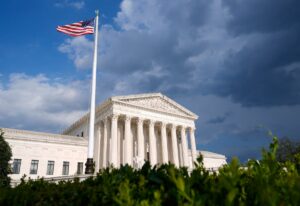
The announcement coincides with the expiration of temporary 10% worldwide tariffs. These were introduced following a Supreme Court ruling that nullified President Trump’s broad tariff strategy earlier this year. The new tariffs are enacted under Section 301 of the Trade Act of 1974, which allows the president to impose trade sanctions against countries with unjustifiable trade practices.
Potential Expansions and Exemptions
Further tariffs might be on the horizon as the U.S. Trade Representative’s office investigates whether 16 countries have engaged in overproduction, affecting U.S. market competitiveness. However, some products, including oil and gas and those under the US-Mexico-Canada Agreement, are exempt from these new tariffs.
Impact on U.S. Economy and Global Trade
While tariffs are designed to address forced labor, they also impact domestic prices, as importers often pass costs to consumers. With the U.S. already facing inflation concerns, the timing of these tariffs might influence consumer sentiment ahead of upcoming elections.
Global Reactions and Adjustments
Some countries have reacted by tightening their forced labor enforcement, prompting adjustments in tariff rates. For example, India’s tariff was reduced from an initial 12.5% to 10%. Human rights advocates recognize the potential of these tariffs to combat forced labor but emphasize the need for phased implementation and meaningful enforcement mechanisms.
Broader Implications and Critiques
Experts caution against using tariffs as a blunt instrument, stressing the need for comprehensive strategies that include transparency and international cooperation. The Uyghur Forced Labor Prevention Act is highlighted as a significant legislative step that has brought attention to labor trafficking issues. However, the effectiveness of these measures remains debated.
Experts like Isabelle Glimcher from the NYU Stern Center for Human Rights note that while tariffs focus on imported goods, they have encouraged countries to reconsider their trade policies concerning forced labor. She stated, “Not all of these things are necessarily or wholly attributable to the Section 301 investigations, but it does seem like countries are responding and starting to take all of this seriously.”