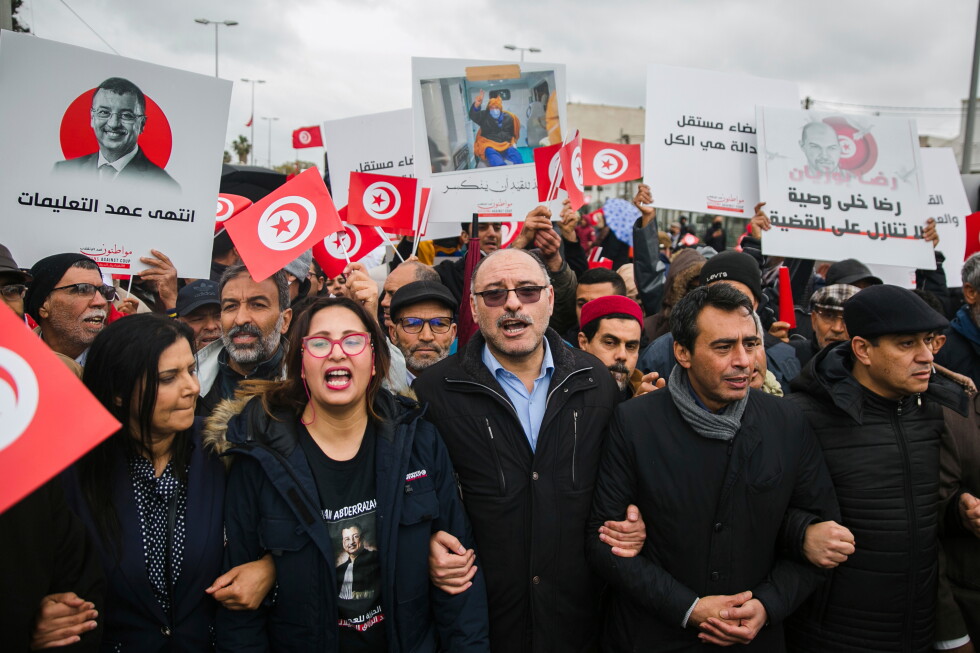
Recent developments in Tunisia have spotlighted the tensions surrounding judicial independence as the country’s top court confirms severe sentences in a controversial case involving key opposition figures. The verdict, which has been met with significant international disapproval, underscores the political climate following President Kais Saied’s 2021 power consolidation.
The Court of Cassation, Tunisia’s highest legal authority, has dismissed appeals from several significant opposition members, human rights advocates, and legal professionals, as reported by Tunisia’s state news agency TAP. This decision solidifies prison terms reaching up to 45 years, initially issued by an appeals court last year. Read more about the case here.
Amidst widespread criticism, the proceedings have highlighted concerns regarding the autonomy of Tunisia’s judiciary and the erosion of political liberties. This case is part of a broader suppression targeting opposition members, journalists, and legal professionals since President Saied’s actions in July 2021 to dissolve the parliament and assume control via decree. Learn about the international reaction here.
At a press gathering on Friday, Faiza Rahem, spouse of detainee Issam Chebbi, expressed that their fight has reached a political stage, stating, “After four years of harassment and persecution, we will continue defending the detainees. We will not tire or give up.” She emphasized that the ongoing repression has only galvanized their determination.
The president supported the legal actions
President Saied has justified these legal actions as necessary for safeguarding national security and holding accountable those perceived as threats to state stability. He has labeled some opponents as “traitors” and “terrorists,” accusing them of attempts to destabilize Tunisia and incite social discord.
Despite criticisms, Saied insists these measures are essential to combatting corruption and protecting against foreign threats, dismissing accusations of stifling dissent. Legal representatives for the defendants have decried the hastiness of the trial process, noting inadequate preparation time due to short notice of the hearings.
Amnesty raises alarms over detainees’ welfare
Among those convicted are notable figures such as Ahmed Nejib Chebbi, Chaima Issa, and others. Some defendants have endured lengthy pretrial detentions, with others re-arrested post-verdict to serve their sentences. Amnesty International had urged the court to annul the convictions, criticizing the trial as politically driven and marred by procedural violations.
Amnesty highlighted deteriorating health conditions among the imprisoned due to insufficient ventilation exacerbated by heat waves. Haifa Chebbi, daughter of 82-year-old Ahmed Nejib Chebbi, reported her father’s declining health, including respiratory issues and severe fatigue.
For further details on the broader crackdown and its implications, visit this link.