US Army Corps Approves Line 5 Tunnel Project Amidst Controversy
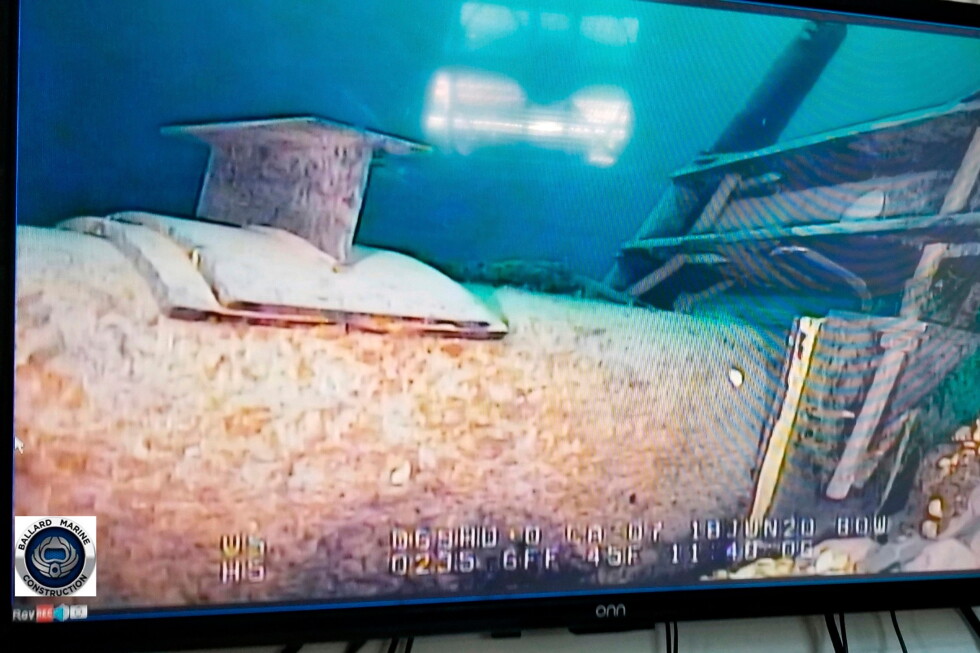
In a significant development, the US Army Corps of Engineers has approved the construction of the Line 5 tunnel project at the Straits of Mackinac, a decision that has stirred both support and opposition. The project aims to redirect a portion of the Line 5 petroleum pipeline into a concrete tunnel beneath the lakebed, a move deemed “not contrary to the public interest” by the Army Corps. This approval, however, comes with acknowledgment of potential adverse effects on endangered species and archaeological sites.
The Army Corps’ approval is a critical step for the project, which has been under consideration for nearly a decade. However, construction is unlikely to begin soon due to ongoing legal challenges. The Michigan Supreme Court recently ordered a review of a crucial state permit, and the project is entangled in state and federal court proceedings, with more lawsuits promised by opponents.
Enbridge Energy, the company behind Line 5, expressed satisfaction with the federal permit. In a statement, Enbridge highlighted that the permit “represents the highest standard of environmental review required for major critical energy and other infrastructure projects.” The company emphasized its commitment to operating Line 5 safely and responsibly while protecting Michigan’s natural and cultural resources.
Opposition remains strong, particularly from Native American tribes. David Gover, Managing Attorney with the Native American Rights Fund, criticized the decision, stating, “Our federal government has a solemn obligation to uphold and protect Treaty rights and is supposed to protect American waters and sacred spaces.” He accused the Army Corps of rubber-stamping a project that threatens the Great Lakes and desecrates tribal sacred sites.
The Corps acknowledged that the tunnel project could “adversely affect” threatened species such as Houghton’s goldenrod and dwarf lake iris, but expects mitigation efforts to prevent significant reductions in their recovery or distribution. The site holds cultural and spiritual significance for the Anishinaabe tribal nations, and the Corps noted that there would be “major, permanent, adverse effects on historic properties, including archaeological sites,” which the tribes insist cannot be mitigated.
The decision aligns with the Trump administration’s energy policies, which Assistant Secretary of the Army for Civil Works Adam Telle credited for enabling such projects to proceed with regulatory certainty. “The approval of the Enbridge Line 5 Tunnel Project is a testament to President Trump’s vision to ensure our nation’s energy dominance,” Telle stated.
Critics, including David Holtz of the group Oil & Water Don’t Mix, argue that the decision was influenced by the previous administration’s agenda and failed to consider the implications if the tunnel is not built and Line 5 is decommissioned. Holtz compared it to the Michigan Public Service Commission’s permit review, which the Michigan Supreme Court recently deemed too narrow.
Despite acknowledging the project’s potential impacts, Michigan’s departments of Natural Resources and Environment, Great Lakes and Energy issued key permits in July. Meanwhile, Enbridge is seeking approval to discharge treated wastewater into Lake Michigan during the tunnel’s construction, with a decision expected by September 30.
Legal battles persist over Michigan Governor Whitmer’s 2020 order to shut down the existing pipeline due to spill risks. A federal judge ruled that Michigan lacks authority for such a closure, but the state has appealed. Additionally, Attorney General Dana Nessel’s ongoing efforts to shut down Line 5 continue to navigate through the courts.